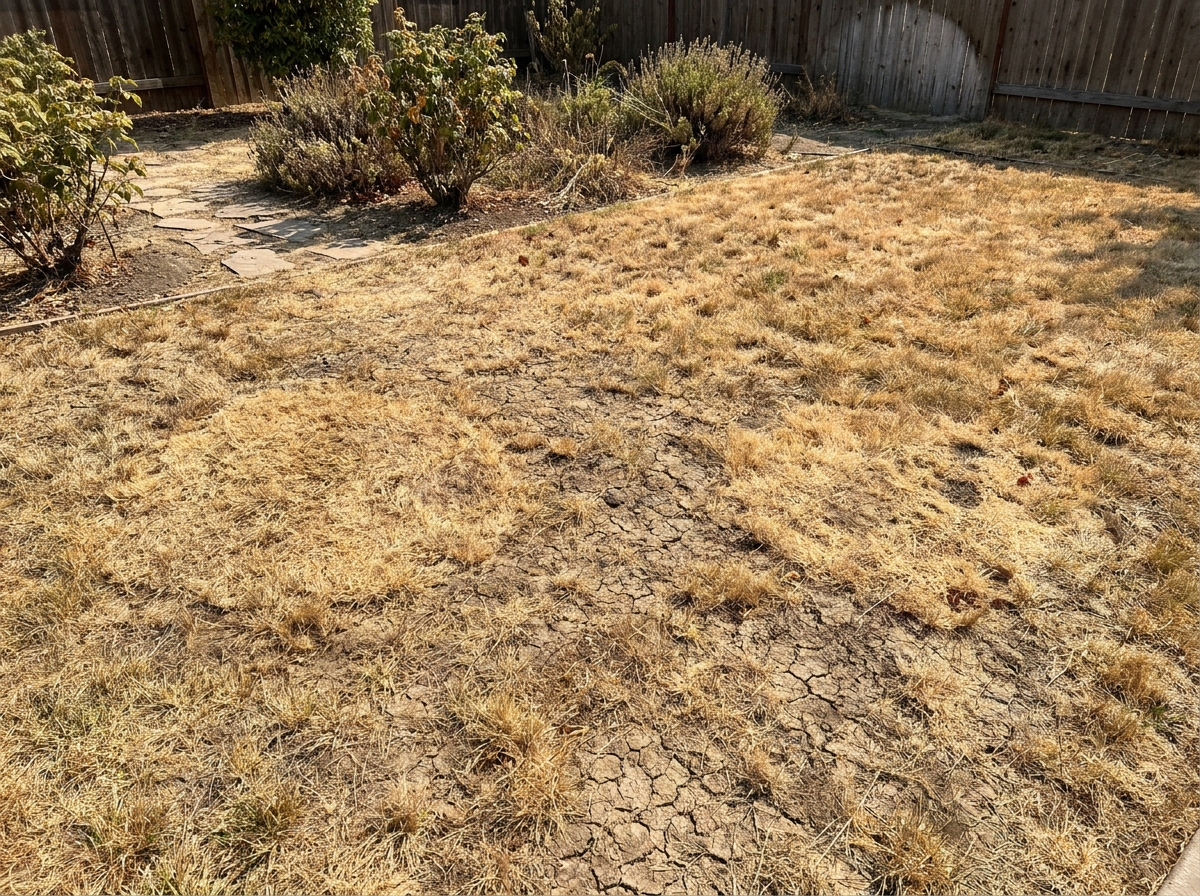
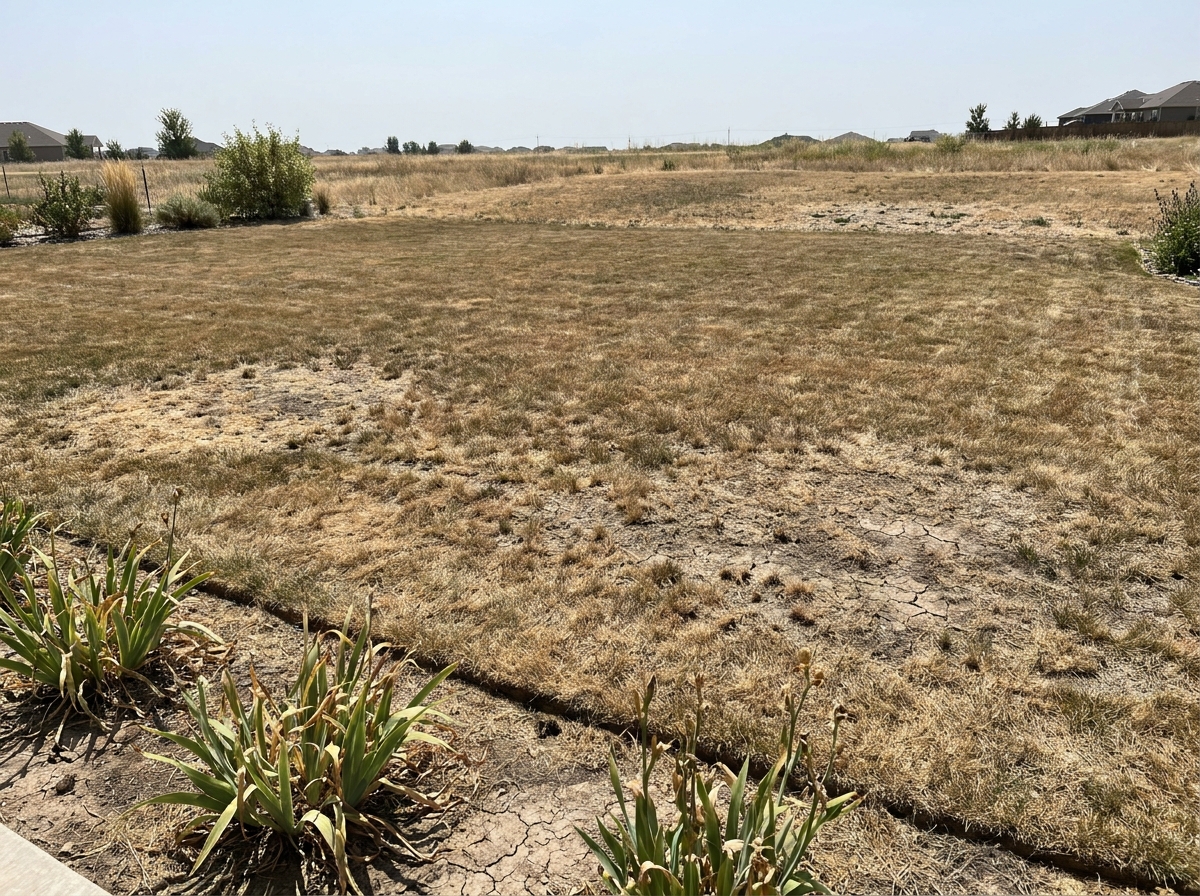
My lawn looked dead after scarification. Honestly? That was the point. Early autumn is prime time to rip out thatch and dead moss, and I documented every painful week to show you whether this back-breaking task actually transforms a tired garden or just creates more work.
In early autumn, across the UK and US, lawns move from summer stress into their most vigorous growing season. The soil is still warm, rainfall is increasing, and grass roots are hungry. This perfect storm of conditions makes September the ideal month to scarify, because your turf will recover fast and fill in those bare patches before winter arrives.
Scarification only pays off if the grass can grow back quickly afterwards, so the season you choose matters more than the machine you hire. Here is how the four windows compare for a tired, thatchy lawn.
| Timing | Soil and grass condition | Recovery | Verdict |
|---|---|---|---|
| Early autumn | Soil still warm, rainfall increasing, roots hungry | Fast, with bare patches filling before winter | Best window |
| Mid-autumn | Growth slowing, seedlings need steady moisture | Still possible, monitor for four to six weeks | Late but workable |
| Spring | Grass moving back into growth | Good, though slower to establish than autumn | Second-best option |
| Summer | Grass stressed by heat and drought | Poor | Avoid |
| Midwinter | Grass dormant, no regrowth | Poor | Avoid |
Whatever the season, the deciding factor is whether the turf can knit back together before conditions turn against it.
Most gardeners don’t realise that thatch, a layer of dead grass and moss, acts like a waterproof blanket. After three summers of neglect, my lawn had accumulated roughly 1.5 inches of impacted organic matter. This suffocates the soil, blocks water penetration, and creates the perfect home for moss and disease. Studies suggest that even moderately thatched lawns lose 20 to 30 percent of their nutrient uptake capacity.
I’d been wondering why my grass looked thin and patchy despite regular feeding. The answer was literally sitting on top of the soil, invisible until I started digging.
Here’s the honest breakdown of my September project:
My lawn is genuinely thicker and greener than it’s been in years. The bare patches have mostly filled in, the moss has vanished, and the turf feels springy underfoot. Total cost was around £60 including fertiliser and seed. The sore back? Worth it, though I’d probably hire help for the scarifying itself next time.
By mid-October, I expect full recovery. The real test comes in spring, when I’ll see if this scarification has genuinely reset my lawn’s trajectory or simply bought me one season of improvement.
Monitor your newly scarified lawn for consistent moisture over the next four to six weeks. Don’t let those fresh seedlings dry out, but avoid waterlogging. If you spot any remaining moss patches by late October, apply a targeted moss killer rather than waiting for spring.
Scarification isn’t a miracle cure, but it’s honest work that pays dividends. Your lawn will thank you.