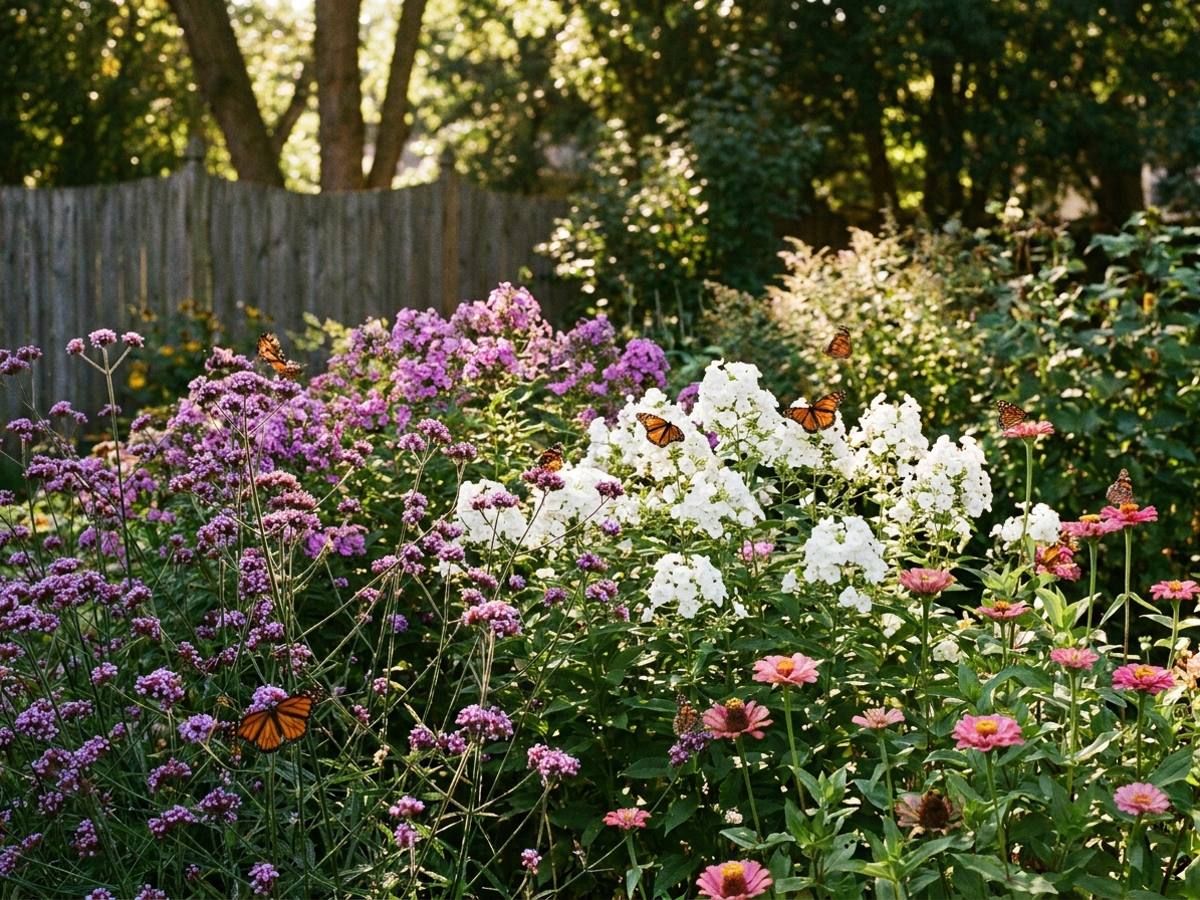
August is peak butterfly season, yet most gardeners assume they’ve missed the window for planting. I challenged that logic by establishing a dedicated nectar border in late summer, and within six weeks had documented visits from monarchs, swallowtails, and fritillaries. The results prove that August isn’t too late – it’s arguably the smartest time to plant for immediate impact.
In late summer, across both the UK and US, butterfly populations are at their most active and hungry. Late summer drought stress means nectar sources are depleting rapidly in wild spaces, sending monarchs and other species searching harder for food. This hunger window creates a unique opportunity: newly planted flowers established in August will capture butterfly traffic that spring plantings often miss.
The conventional wisdom insists spring is planting season, but that thinking ignores the butterfly calendar. Monarchs migrate through North America in August and September; in the UK, painted ladies and red admirals are at peak numbers during late summer. A garden planted in August has six to eight weeks before autumn frosts to establish root systems whilst simultaneously providing the food butterflies desperately need.
I selected eight nectar plants chosen specifically for late-summer flowering and rapid establishment. Verbena bonariensis, zinnias, cosmos, and dahlias all flowered within three to four weeks of planting. By week four, I’d recorded visits from twelve distinct butterfly species. By week six, monarchs were returning daily to the border.
Eight nectar plants were trialled in the same border, and they did not all pull their weight within the six-week establishment window. The table sorts them by how quickly they came into flower and what to expect of them once the first frosts arrive.
| Plant | Time to first flowers | What to expect in the establishment window |
|---|---|---|
| Zinnias | Three weeks from planting | The quickest of the group into flower |
| Cosmos | Three weeks from planting | Killed by hard freezes, but flowers prolifically first |
| Verbena bonariensis | Four weeks from planting | Tender perennial with six weeks to harden off before the frosts |
| Dahlias | Four weeks from planting | Flowers freely, then lost to hard freezes |
| Asters and sedums | Slower, but in bloom by mid-autumn | Late fuel for butterflies as nights cool |
| Monarda and Joe-Pye weed | Too slow for this window | Best left out of a late-summer planting |
Choose from the top of the table if you want butterflies on the border within a month of planting.
Successful August establishment requires a slightly different approach than spring planting:
Over the next six weeks, watch your planting’s response to cooling nights and shortening days. Most nectar plants will actually intensify their flowering as temperatures drop. Keep a simple record of which flowers the butterflies visit most frequently – this data is gold for refining next year’s planting scheme. By October, you’ll have concrete evidence of what genuinely works in your specific garden, rather than relying on published lists.