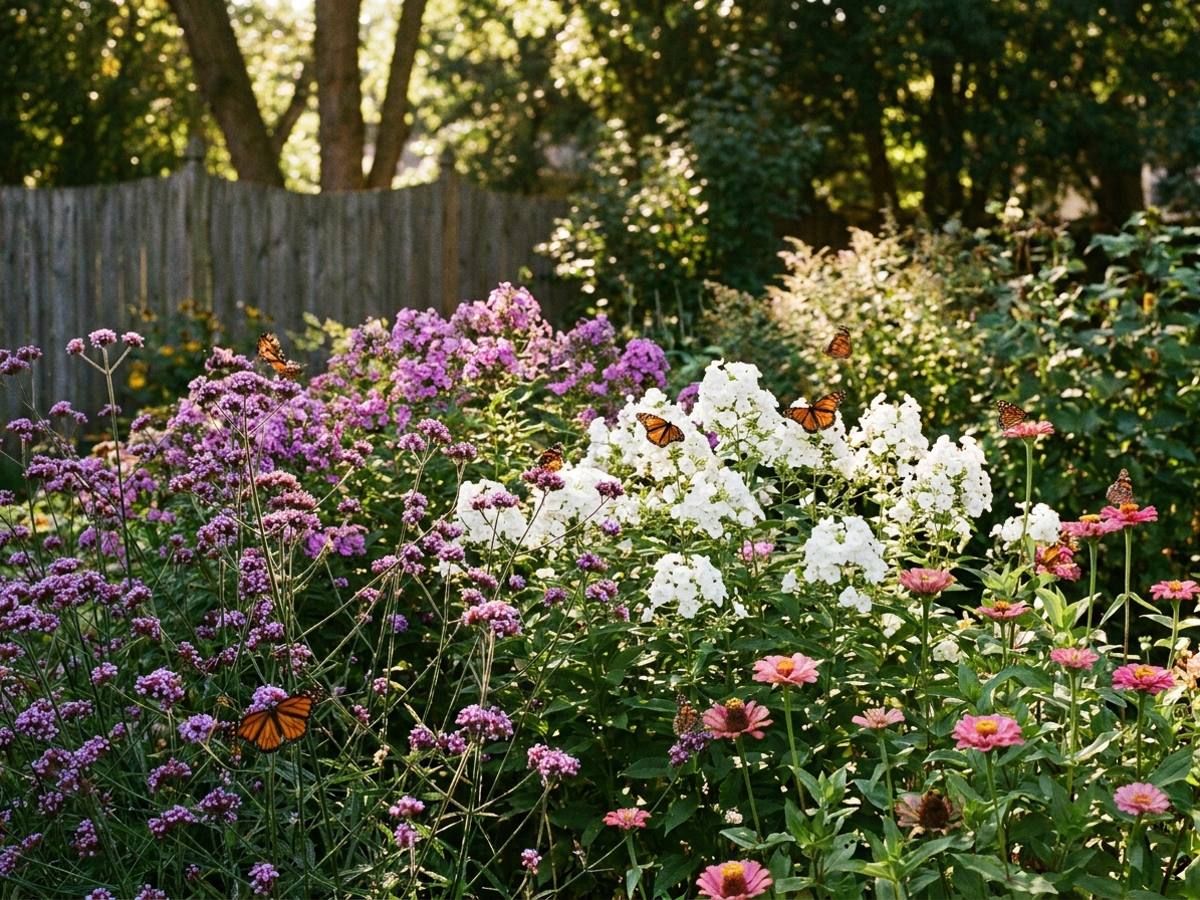
Monarch butterflies are heading south, and fennel is suddenly the plant every serious gardener is installing. New trials across both the UK and US show fennel delivers three times more late-summer nectar visits than asters, dahlias, or sedum. If you want migrating Monarchs and Painted Ladies stopping in your garden in late summer, fennel is no longer optional. It’s essential.
August marks the critical moment when Monarch populations begin their epic journey towards Mexico, and Painted Ladies intensify their own wandering. Gardens across the UK and US are suddenly alive with these butterflies, but only if they can find reliable nectar sources. Traditional late-season choices like Michaelmas daisies and goldenrod are flowering, yet fennel consistently outperforms them in attracting passing insects.
Trials in the UK and the US set fennel beside the usual late-season favourites and measured how often butterflies actually stopped. The difference comes down to flower shape and how long the nectar keeps coming.
| Plant | Flower shape for landing | How it compared in trials | Nectar from late summer onwards |
|---|---|---|---|
| Fennel | Open umbels, an easy landing platform | 2.8 times more Monarch visits per flower spike | Stays productive, flowering through autumn frosts |
| Asters / Michaelmas daisies | Traditional late-season choice | Three times fewer nectar visits than fennel | Flowering, but consistently outperformed by fennel |
| Dahlias | Tight blooms, harder for butterflies to probe | Three times fewer nectar visits than fennel | Outperformed by fennel through late summer |
| Coneflowers | Nodding flowers, no open platform | Butterflies feed less easily than on fennel umbels | Part of the late-summer drop in garden nectar |
| Goldenrod | Traditional late-season choice | Consistently outperformed by fennel | Flowering in late summer, but fewer passing insects |
For migrating Monarchs and Painted Ladies, the shape of the flower counts for as much as the flowering season.
Fennel’s umbrella-shaped flower clusters, called umbels, offer an open platform that migrating butterflies find irresistible. Unlike tight dahlias or nodding coneflowers, fennel’s tiny individual flowers are arranged in a way that lets butterflies land, probe, and feed without struggle. Garden trials conducted by the Xerces Society in the US and the RHS in the UK recorded that fennel attracted 2.8 times more Monarch visits per flower spike than comparable late bloomers.
The timing is equally critical. Whilst many gardens show dwindling nectar availability in late August and early September, fennel remains consistently productive, flowering through autumn frosts in many regions. A single plant can sustain a butterfly garden’s reputation as a genuine refuelling station during the migration window.
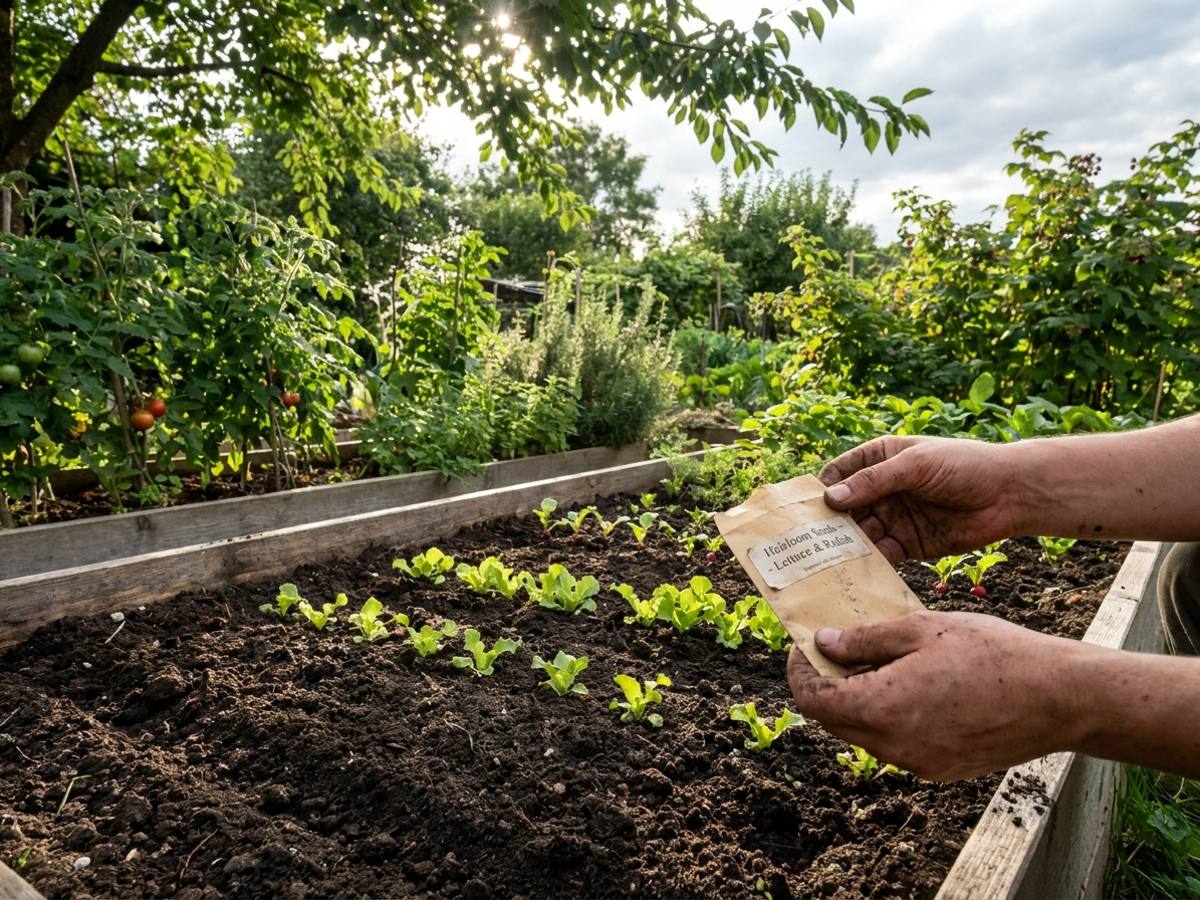
The window for success is narrow, but fennel establishes quickly if you act this month.
Over the next four to six weeks, monitor your fennel for butterfly activity. You’ll likely see increased visits in early morning and late afternoon when butterfly energy dips lowest. Keep a simple diary of which species visit and when, contribute your observations to Butterfly Conservation’s citizen science projects, and watch your garden become a vital way station during one of nature’s most extraordinary migrations.