
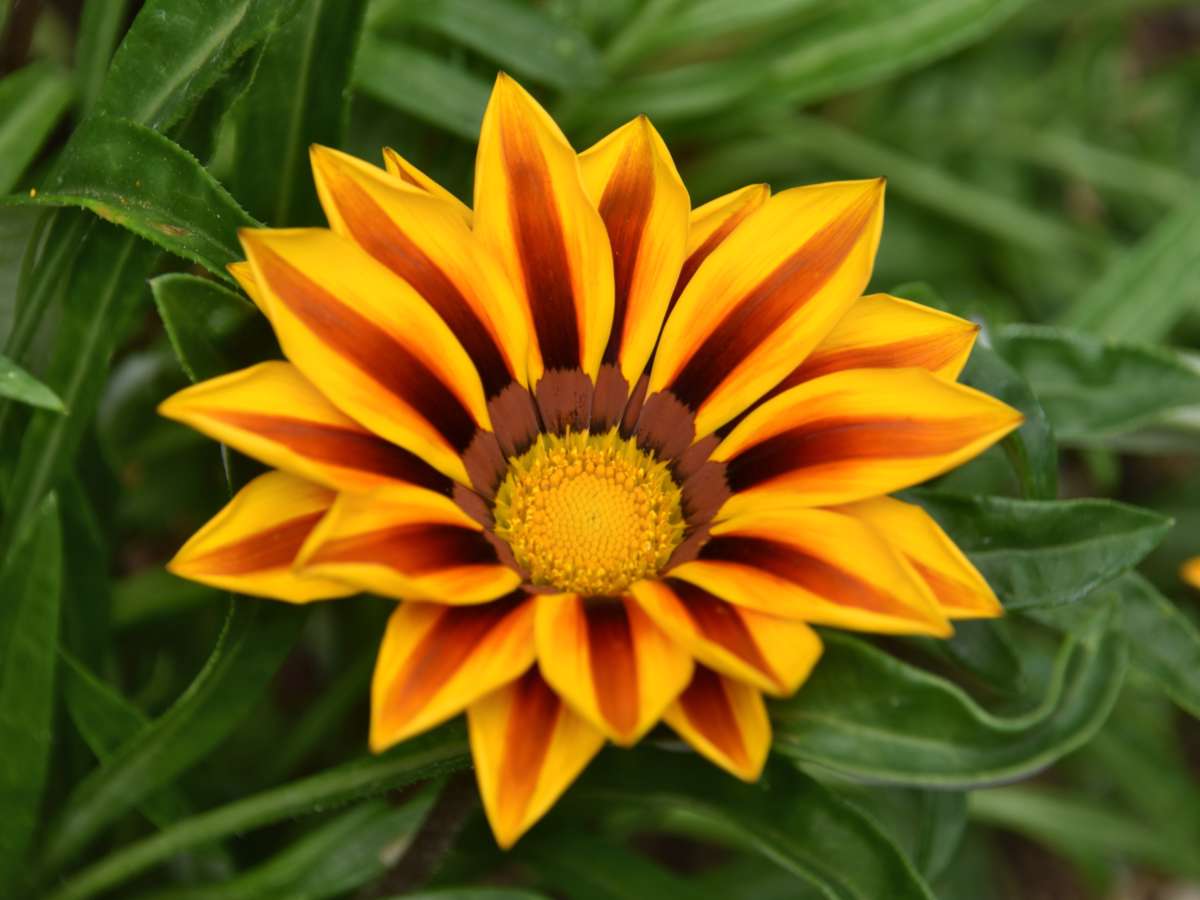
Yellow and orange petals with sharply marked contours unfurl by day, then shut tight at night and stay closed under cloud until sunlight returns. Gazania (Gazania splendens) is a drought-tolerant, summer-long bloomer for beds, edges, rockeries and balcony boxes; give it full sun and light, well-drained soil and it flowers without a single drop of water.
| Name | Gazania splendens |
|---|---|
| Family | Asteraceae |
| Type | Perennial |
| Height | 4 to 14 inches (10 to 35 cm) |
| Exposure | Full sun |
| Soil | Ordinary, well drained |
| Flowering | End of spring to mid-fall |
It is also surprisingly easy to care for given that it is extremely resilient. Even without watering a single drop, you’ll have flowers all summer long!
Preferably choose to plant in spring in a blend of earth and soil mix.
For sowing from seed, proceed to sow under shelter in late winter to early spring. Transplant once to a nursery pot during the month of mid-spring, and set in place in late spring.
From seed tray to winter mulch, gazania asks for very little, but each step has its moment. Here is what the article says to do, and when.
| Stage | When | What to do |
|---|---|---|
| Sowing under cover | late winter to early spring | Sow under shelter; the sowing is not always easy for beginners |
| Transplanting | mid-spring | Move the seedlings on once, into a nursery pot |
| Setting in place | May, or plant in spring | Plant in a blend of earth and soil mix, in a sunny spot and light soil |
| Flowering and deadheading | End of spring to mid-fall | Cut off flowers as soon as they wilt so the plant makes new ones |
| Winter protection | Remove only once it stays above 40°F (5°C) | Spread a 6-inch (15 cm) layer of loose hay or dead leaves in the ground; bring pots under cover |
Miss none of these and the plant still flowers; follow them and the display simply lasts longer.
Gazania care is practically pointless, but the blooming will be all the nicer if you:
Gazania is usually sold as an annual wherever it freezes. However, with a little protection, there’s a good chance of overwintering without dying off.
When potted, your gazania will die if it freezes. Try moving the pots to a greenhouse or lean-in where it won’t freeze.
In the ground, gazania has a greater chance of survival, especially if the soil drains well. Remember to protect the plant for winter. For example, spread a 6-inch (15 cm) layer of loose hay or dead leaves. Only remove this protection when temperatures consistently rise above 40°F (5°C).
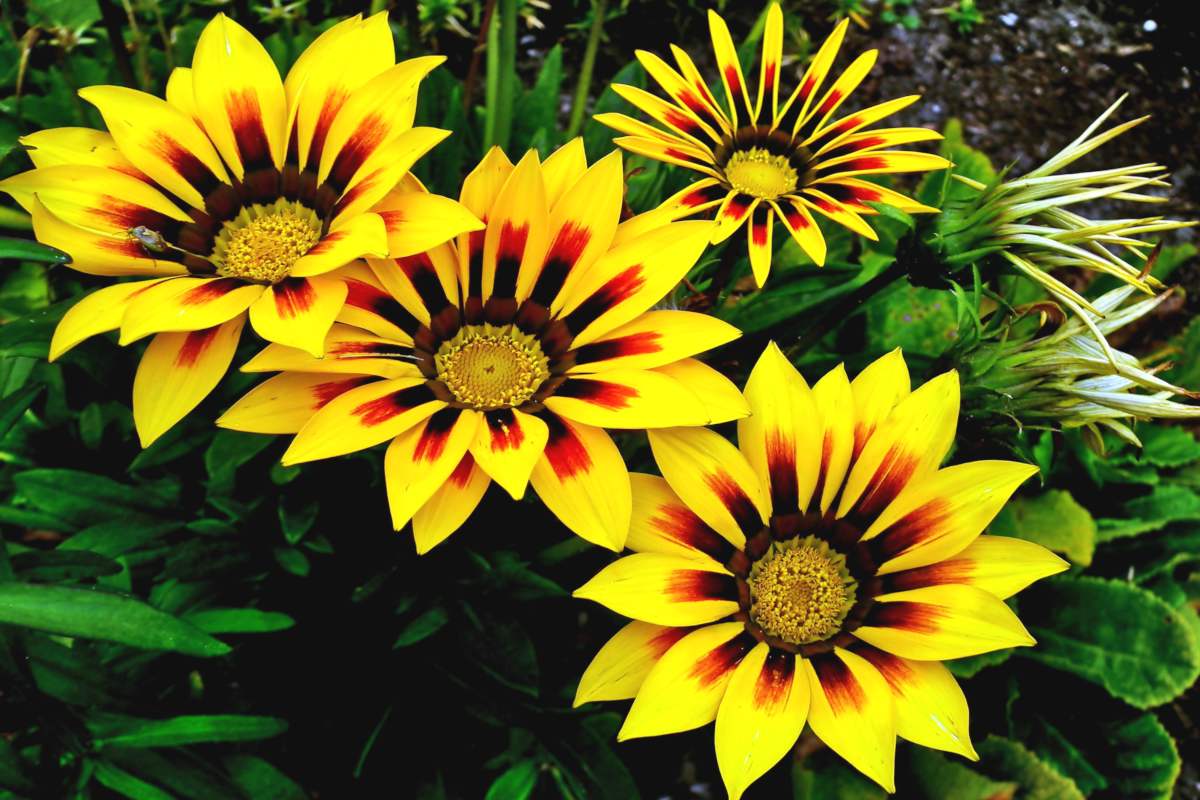
For a named variety to look out for, ‘Big Kiss White Flame’ brings the sharply marked petal contours of this drought-tolerant perennial to flower beds, edges, rocky ground and balcony boxes alike, flowering all summer without watering.
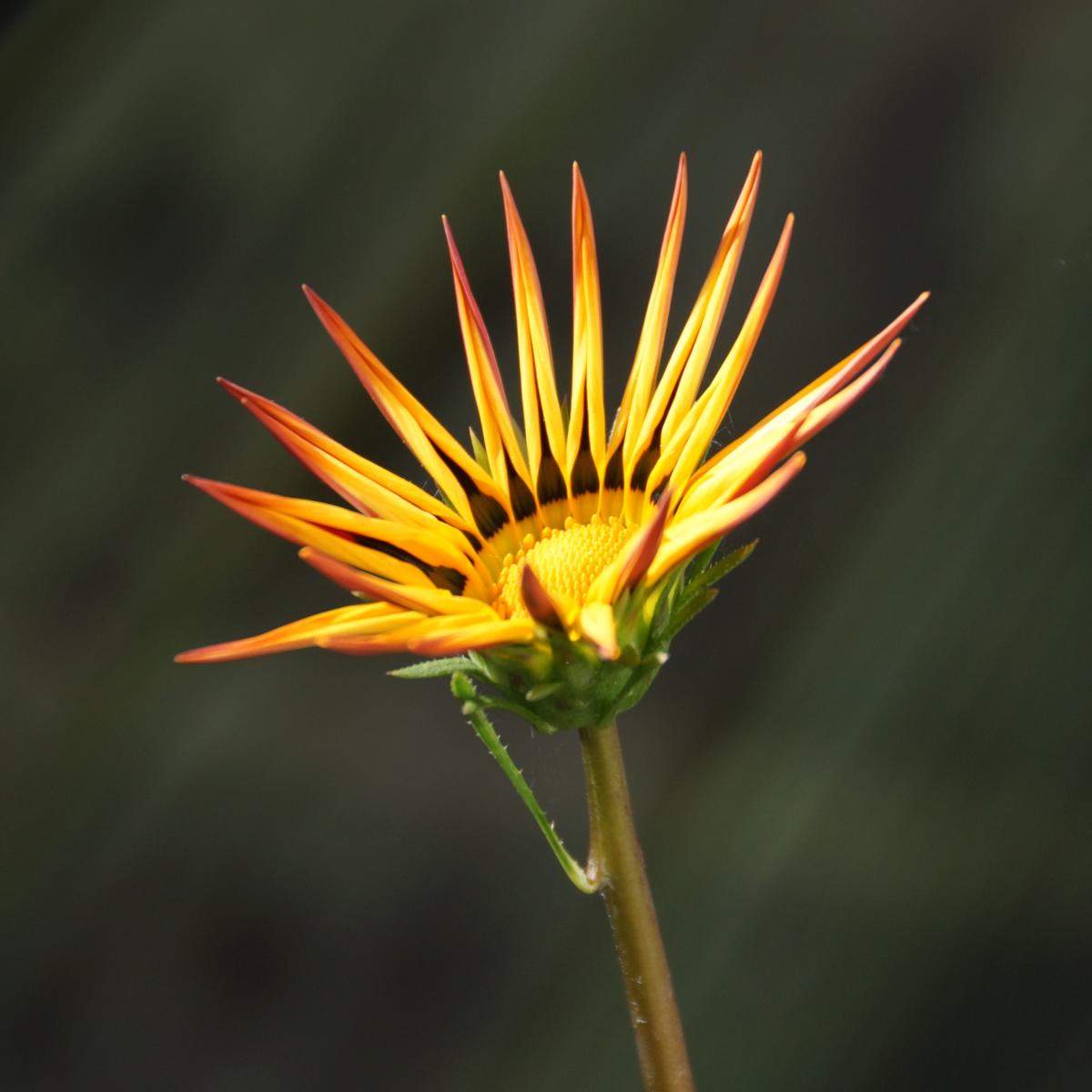
This cute perennial typically grown as an annual. It has very beautiful colored flowers in shades of yellow and orange, and their contours are sharply marked.
It grows perfectly well in perennial flower beds, along edges or in rocky ground. Gazania also does great in garden boxes for your balconies and terraces.
What makes gazania so unique and popular aside from its beautiful blooming is the fact that it tolerates drought and doesn’t need any watering.
Whether it’s in a pot, a flower bed, and even smack in the middle of a rock mound, its ornamental impact is guaranteed!
Gazania loves sun a lot and doesn’t fear heat in the least!
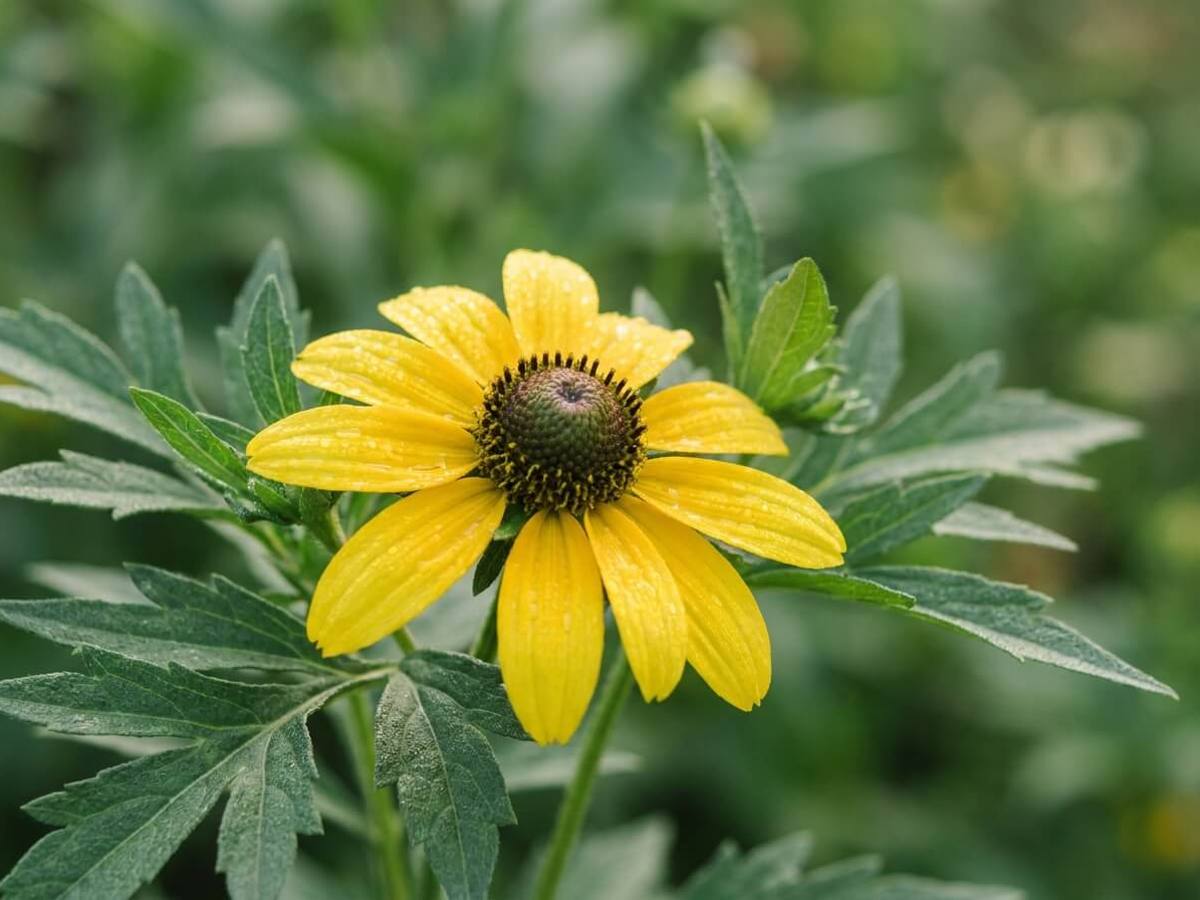
I have planted Gazania in a pot in well drained compost and placed in a sunny, hot spot. I have only watered when the compost has dried. There are loads of buds but the flowers haven’t opened even on the sunniest days. Any advice please? I live in South Yorkshire, England. Thank you.
We planted Gazinias between our Azalias and all year we have had wonderful,flowers.
What do we do now? Dig them up and throw them away or just leave till next year.
Will they die if caught in a frost.
At the moment they are still,flowering. We live in the south of england
Thankyou
Hi Margaret, there’s a good chance they’ll survive, especially if you cover them up with loose straw hay about a finger deep. But only start doing this when freezing is announced, so you can savor those remaining blooms until then. Come spring, you’ll only have to replace a few of the weaker ones that way. Those that survive will bloom very well.