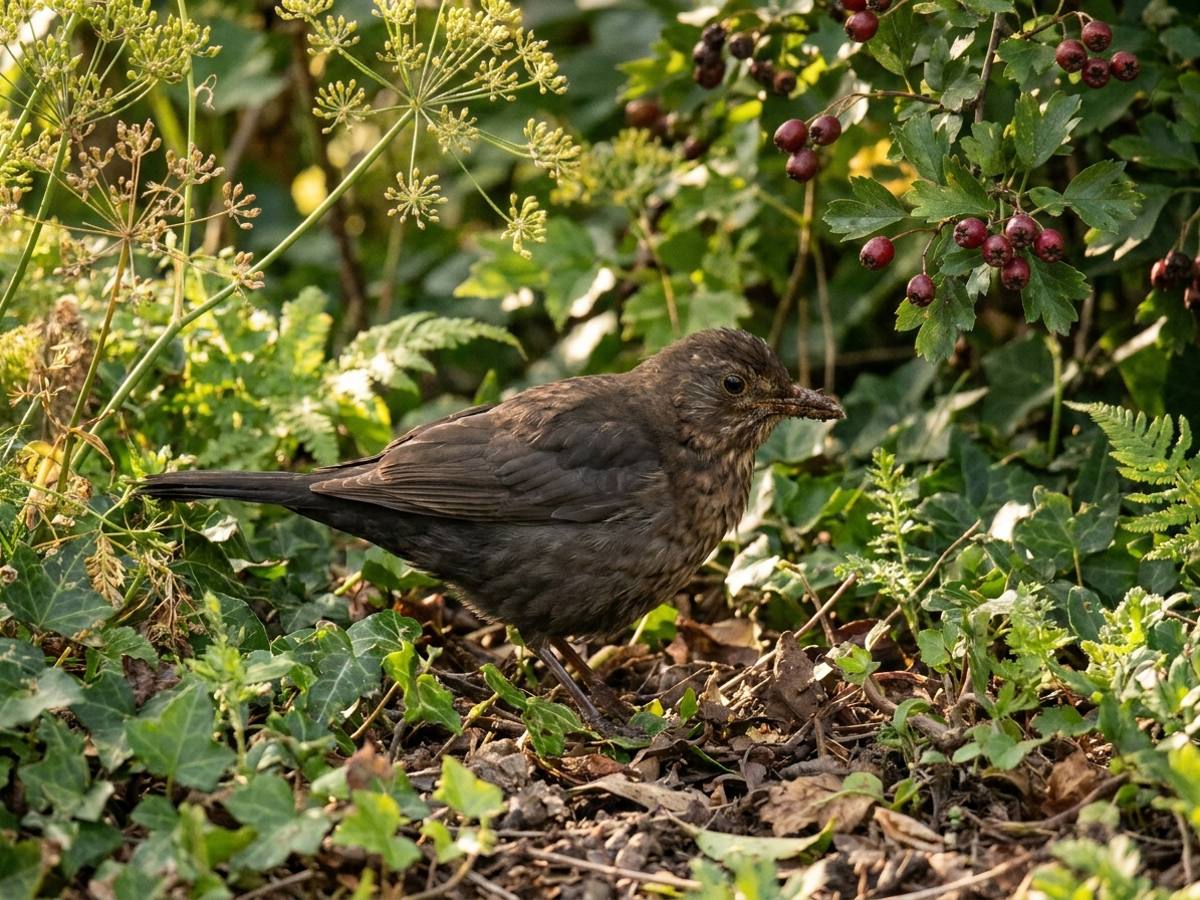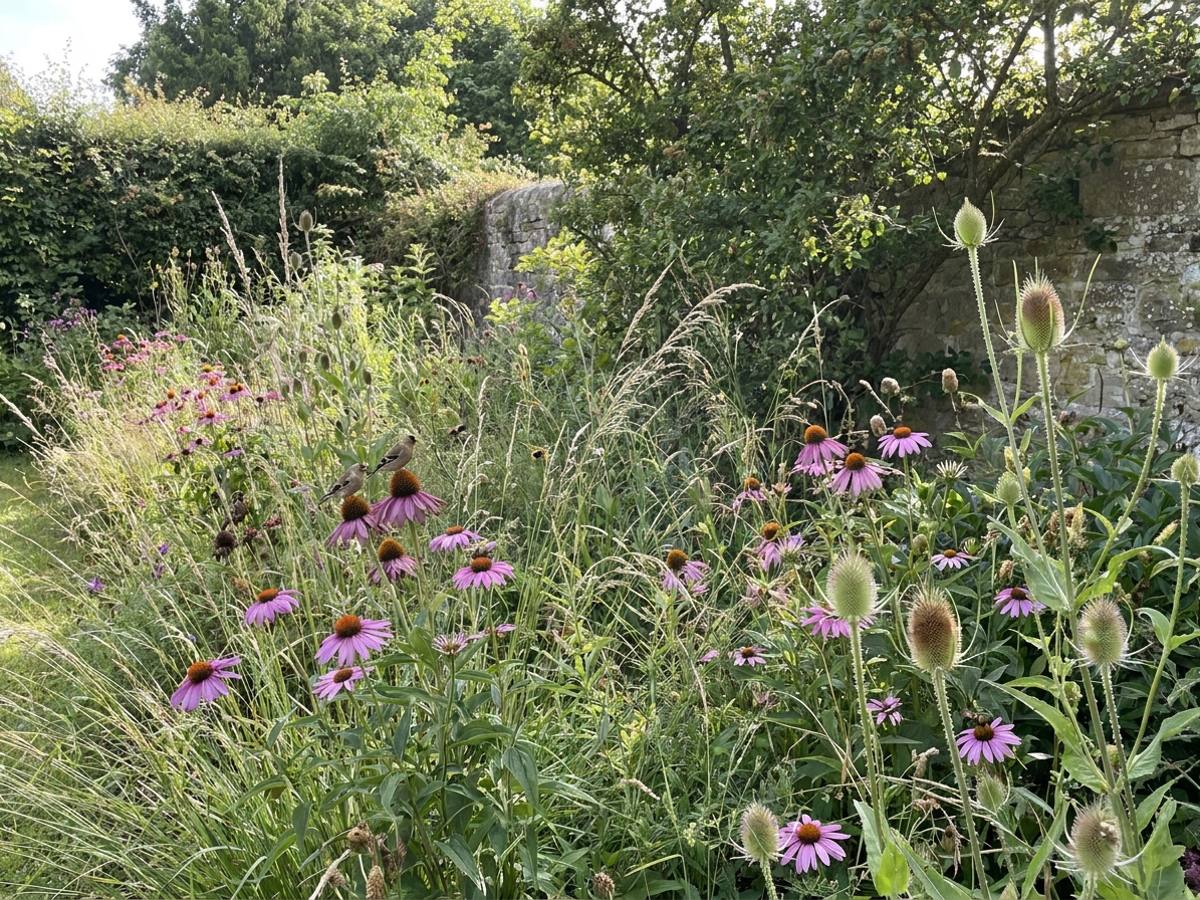
July is peak fledgling season, and wild birds are hungry. Forget the feeders: native plants heavy with seeds and alive with insects are nature’s answer. We tested which varieties reliably sustain birds across both UK and US gardens through summer without a drop of pesticide. The results might surprise you.
Right now, across British gardens and American yards, parent birds are in overdrive. Fledglings have left the nest and demand constant meals. This is precisely when a chemical-free garden becomes invaluable, because birds need genuine nutrition, not the sterile landscape of a tidy monoculture.
July also marks the moment when spring-sown plants hit their stride. Teasels, fennel, and coneflowers are putting on height and promise. Native UK species like bird’s-foot trefoil and self-heal are flowering in earnest, whilst across North America, native milkweed and black-eyed Susan are attracting both insects and the birds that feast on them.
The plants named above do not all work the same way: some feed birds directly with seed, others feed the insects that parent birds carry back to the nest. This table sets out what each group offers and when the birds actually come for it.
| Plant | Where it suits | What it gives birds | When birds use it |
|---|---|---|---|
| Teasel, fennel and seeding grasses | UK and US gardens | Standing seed-heads stripped by thrushes, finches and warblers | Late summer onwards |
| Bird’s-foot trefoil and self-heal | UK natives | Flowers in full swing, drawing the insects birds hunt | Midsummer |
| Milkweed and black-eyed Susan | North America | Insects first, then the birds that feast on them | Midsummer into late summer |
| Coreopsis, rudbeckia and Joe-Pye weed | North America | Native seed-heads set before autumn | Late summer to early autumn |
| Dahlias, zinnias and cosmos left undeadheaded | UK and US gardens | Spent flower heads picked over for seed | Late summer to early autumn |
Between them, these groups cover the whole arc from insect-rich flowering to seed-bearing heads, which is what a chemical-free garden needs to keep birds fed.
Many gardeners assume that to attract birds, they must first kill the “pests”. This logic is backwards. A single application of broad-spectrum insecticide can wipe out 80 percent of the invertebrates in a garden within days. Without aphids, caterpillars, and beetles, birds starve, no matter how many feeders you hang.
The shift from feeder reliance to plant-based feeding is not just about convenience. It teaches birds to forage naturally, strengthens their fitness, and reduces disease transmission that feeder clusters encourage. Wild food is also free, year-round, and requires no restocking.
These steps will establish a self-sustaining bird pantry by late summer.
By mid-August, you should notice increased bird activity, particularly amongst teasels, fennel, and seeding grasses. Thrushes, finches, and warblers will strip seed-heads methodically. Watch for this natural harvest as proof that your garden is working.
The real reward comes in autumn, when your neighbours are still filling feeders whilst your garden sustains visiting birds without a single bag of seed or drop of chemicals.