Kousa Dogwood: Your Complete Growing and Care Guide
0
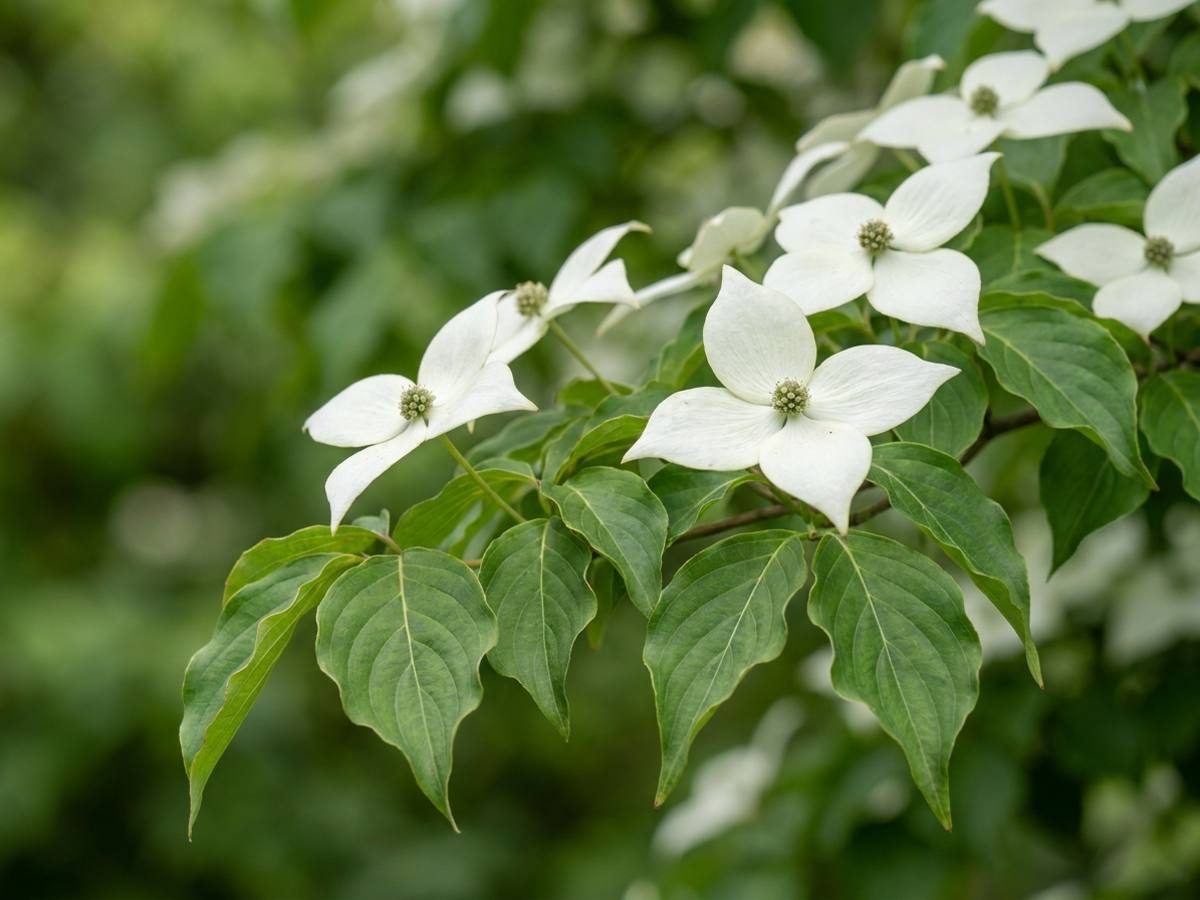
Cornus kousa, the Chinese dogwood, is a deciduous shrub or small tree celebrated for its exquisite white or pink bracts that appear in early summer, followed by eye-catching strawberry-like fruits in autumn. This elegant plant brings year-round interest to gardens, with vibrant burgundy foliage in winter and a graceful, tiered branching habit. It thrives as a specimen tree or woodland garden focal point, offering an exotic aesthetic without demanding intensive care.
Growing conditions
Cornus kousa performs best in full sun to partial shade, ideally receiving 4–6 hours of direct sunlight daily. In cooler regions, full sun enhances flowering and autumn colour, whilst dappled shade helps prevent scorch in hot continental summers. The plant tolerates partial shade but flowers more sparsely in deep shade.
This dogwood prefers well-drained, slightly acidic to neutral soil enriched with organic matter. It dislikes waterlogged conditions and heavy clay soils, where root rot may develop; amend heavy soils with compost and grit before planting. Cornus kousa is moderately tolerant of poor soils provided drainage is adequate.
Fully hardy to −15 °C, Cornus kousa thrives across most of the UK and temperate northern Europe. In colder regions (north of Scotland), select sheltered sites and late-spring frost pockets, as young growth is sometimes damaged by frosts following warm spells.
How to plant Cornus
Plant container-grown specimens in autumn or spring; bare-root trees are best planted in dormancy (November to March). Autumn planting allows roots to establish before winter, whilst spring planting suits colder zones where frost damage is a risk.
Space trees 5–7 m apart to allow for mature spread and unobstructed branching structure
Plant at the same depth as the root ball; do not bury the stem or crown
Dig a planting hole 1.5 times the width of the root ball and amend with 25–30 % compost
Water thoroughly after planting and apply 5–8 cm of organic mulch around the base, keeping it clear of the stem
Propagate from semi-hardwood cuttings in July–August, rooted in a 1:1 peat-free compost and perlite mix under mist
Care through the seasons
Spring: Remove winter-damaged shoots and weak growth once new leaf buds emerge. Feed with a balanced fertiliser (7–7–7 NPK) or blood, fish and bone in mid-April to support flowering. Watch for signs of pest activity as the season warms.
Summer: Water regularly during the first two growing seasons and during prolonged dry spells; established trees tolerate moderate drought. Deadhead spent bracts only if tidiness is desired, as this encourages fruit formation. Thin congested branches if shade control is needed.
Autumn: Allow fruits to ripen fully (August to October) for ornamental effect and to feed birds. Cut out any crossing or diseased branches in late autumn when the tree is dormant. Apply a 5 cm mulch of leaf mould or composted bark around the base in October.
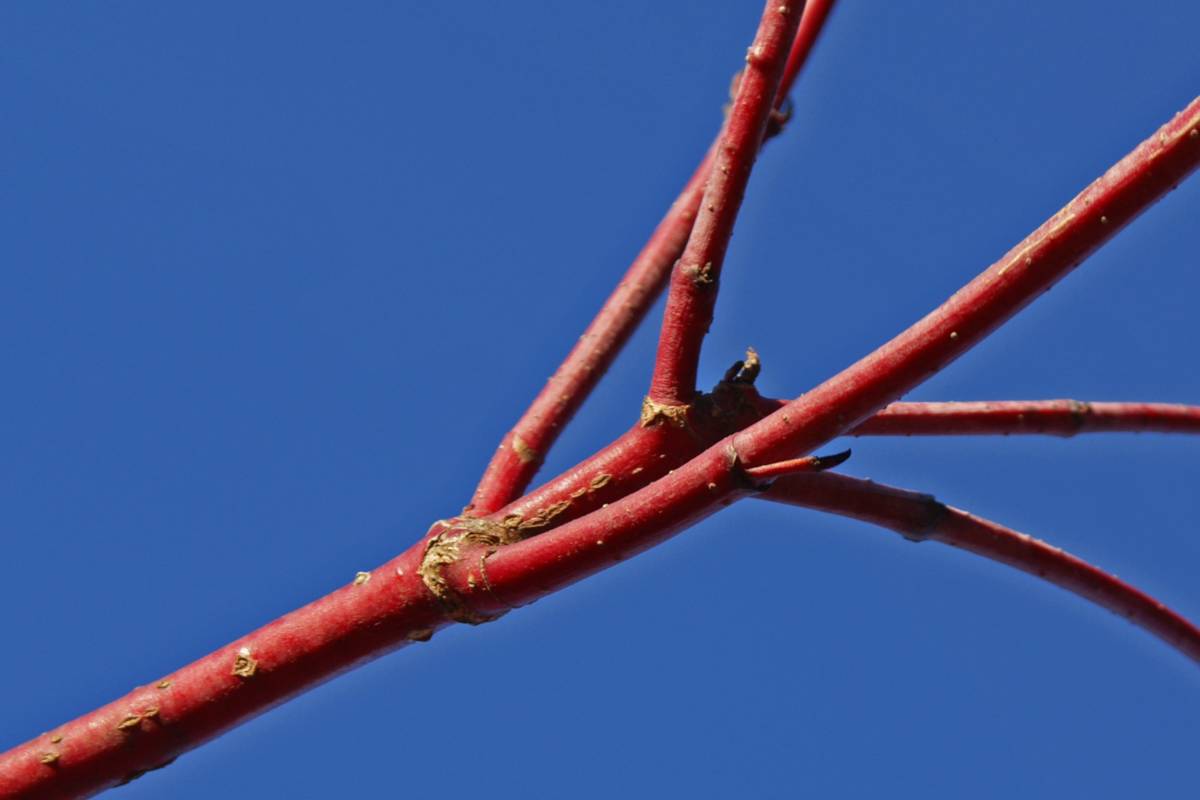
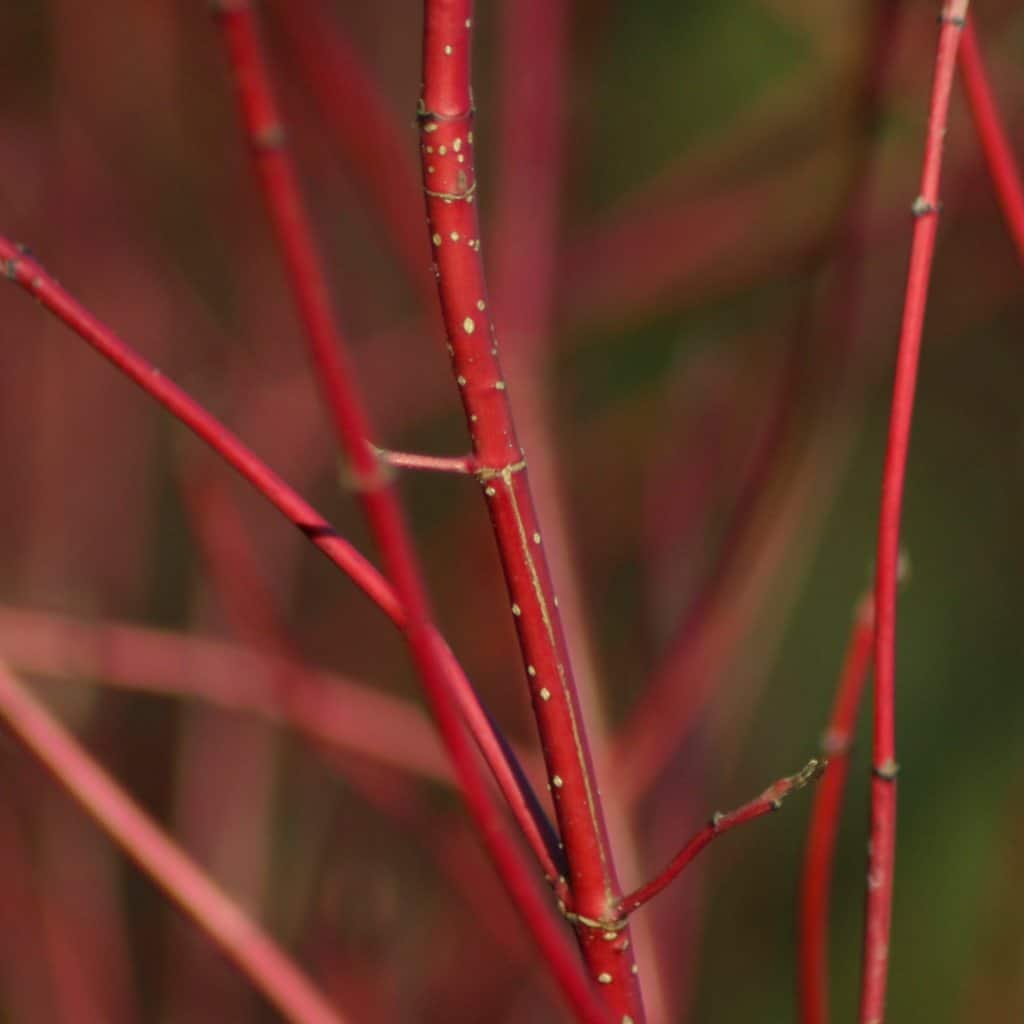
Winter:Cornus kousa is fully dormant and requires no active care. Stems may display striking burgundy or purple colouration; this is natural and no cause for concern.
Best varieties to grow
Several cultivars offer distinctive colours and forms suited to different garden sizes and preferences.
Cornus kousa var. chinensis — The true Chinese form with larger white bracts and superior hardiness; highly recommended for UK gardens, with an Award of Garden Merit from the RHS
‘Satomi’ — A smaller cultivar (4–5 m tall) with deep pink bracts that deepen with age, ideal for smaller gardens and containers in mild regions
‘Gold Star’ — Compact (4–6 m) with golden-margined foliage in spring, transitioning to pink-tinged autumn colour; excellent ornamental value
‘Milky Way’ — A dense, spreading form producing exceptionally abundant white bracts; matures at 5–6 m and suits woodland settings
Pests, diseases and common problems
Anthracnose (fungal leaf disease): Brown spots with darker margins appear on leaves; severe infection causes defoliation. Improve air circulation by thinning branches and removing affected foliage; apply sulphur-based fungicides if symptoms persist.
Powdery mildew: White powder coats leaves, particularly in warm, humid summers with poor air flow. Spray with potassium bicarbonate or organic neem oil; prune for better air circulation and avoid overhead watering late in the day.
Poor flowering: Insufficient light, excessive nitrogen fertiliser, or late frosts can suppress bract production. Ensure 4–6 hours of direct sun daily, avoid high-nitrogen feeds, and plant in frost-sheltered sites.
Waterlogging and root rot: Yellowing foliage and premature leaf drop signal poor drainage; the stem base may show soft, blackened tissue. Improve drainage by adding grit and organic matter to the soil; in severe cases, relocate to a better-drained site.
🌿 Nature & Garden Newsletter
Gardening tips, recipes & seasonal advice, twice a week.