Acacia tree – planting, care and pruning of this towering shade-giver
·
1
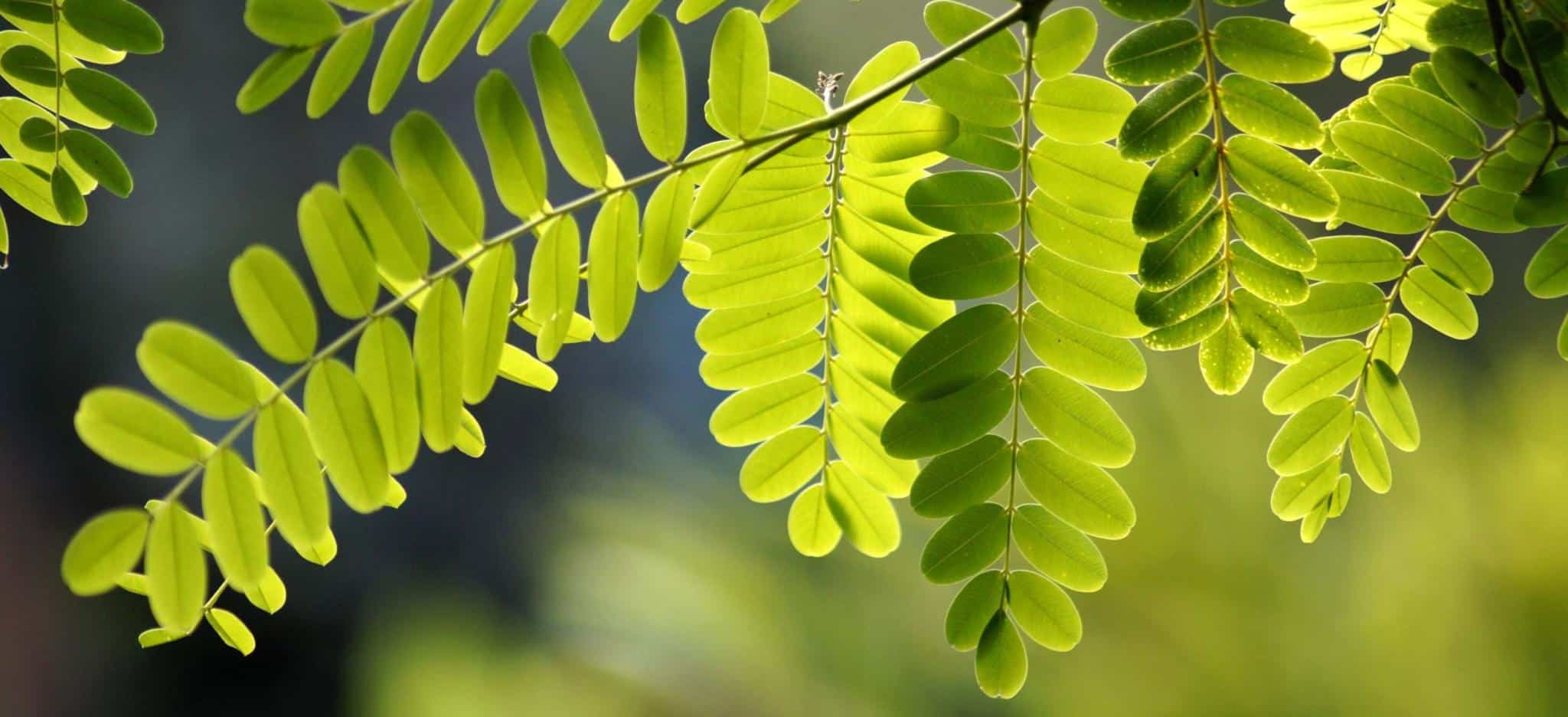
Long leaves divided into many oval leaflets fold shut at night, above fragrant white-to-pink clusters that are a bounty for bees. Acacia is a towering shade tree of 32 to 64 feet (10 to 20 m); plant it in full sun, in any soil but excessively chalky, and it needs no pruning while yielding honey that stays liquid for months.
Acacia at a glance
Name
Acacia
Family
Fabaceae or Robinia
Category
shade tree
Height
32 to 64 feet (10 to 20 m)
Exposure
Full sun
Soil type
any type of soil
Pruning
not required
Leafage
deciduous
Blooming
May to June
Avoid
Planting acacia in excessively chalky soil
Planting an Acacia tree
See all our tips on how to plant your Acacia on our tree planting page.
Give an acacia room to spread by planting it well clear of walls, drains and paving, and check your particular species’ mature size, since acacias range from small shrubs to trees over 100 feet (30 m), many with spreading crowns and vigorous surface roots.
Black locust suckers freely from its roots, and any damage from digging, mowing or trenching near the trunk triggers a fresh crop of shoots, so site it in rough ground or grass you can mow rather than in a border.
Acacias are legumes and most species form nitrogen-fixing root nodules where compatible rhizobia are present, so at planting they rarely need manure or nitrogen-rich fertiliser: usually just backfill with the excavated soil and water in well.
Whether you mean a true acacia (wattle) or Robinia, the so-called false acacia, stake newly planted specimens on exposed sites and water them through early dry spells, since drought tolerance comes only once the roots establish.
Pruning Acacia
Pruning isn’t required.
If you must balance or reduce the branches, wait for the winter season or dry season in tropical countries.
Aside from this, remove dead branches regularly.
Wear thick leather gloves and long sleeves when pruning thorny acacias such as African Vachellia species, whose paired stipular spines at leaf nodes stay dangerous even in fallen prunings underfoot, though most Australian wattles are spineless.
Avoid hard cutting back of a black locust: severed branches and disturbed roots trigger a flush of suckers around the trunk and along the root run, which then have to be cut off at their point of origin.
Inspect young acacias for tight, codominant forks where two stems of equal size press bark together, because such included-bark unions are structurally weak, and shorten or remove one stem while the cut is still small.
Delay reduction work on black locust (Robinia pseudoacacia), the “false acacia” behind acacia honey, until its fragrant clusters have faded, because cutting branches in bloom removes a major nectar source for bees; true wattles supply mainly pollen.
Good to know about the Acacia tree
The Acacia tree is part of the Fabaceae family, also called the legume family. It is native to North America.
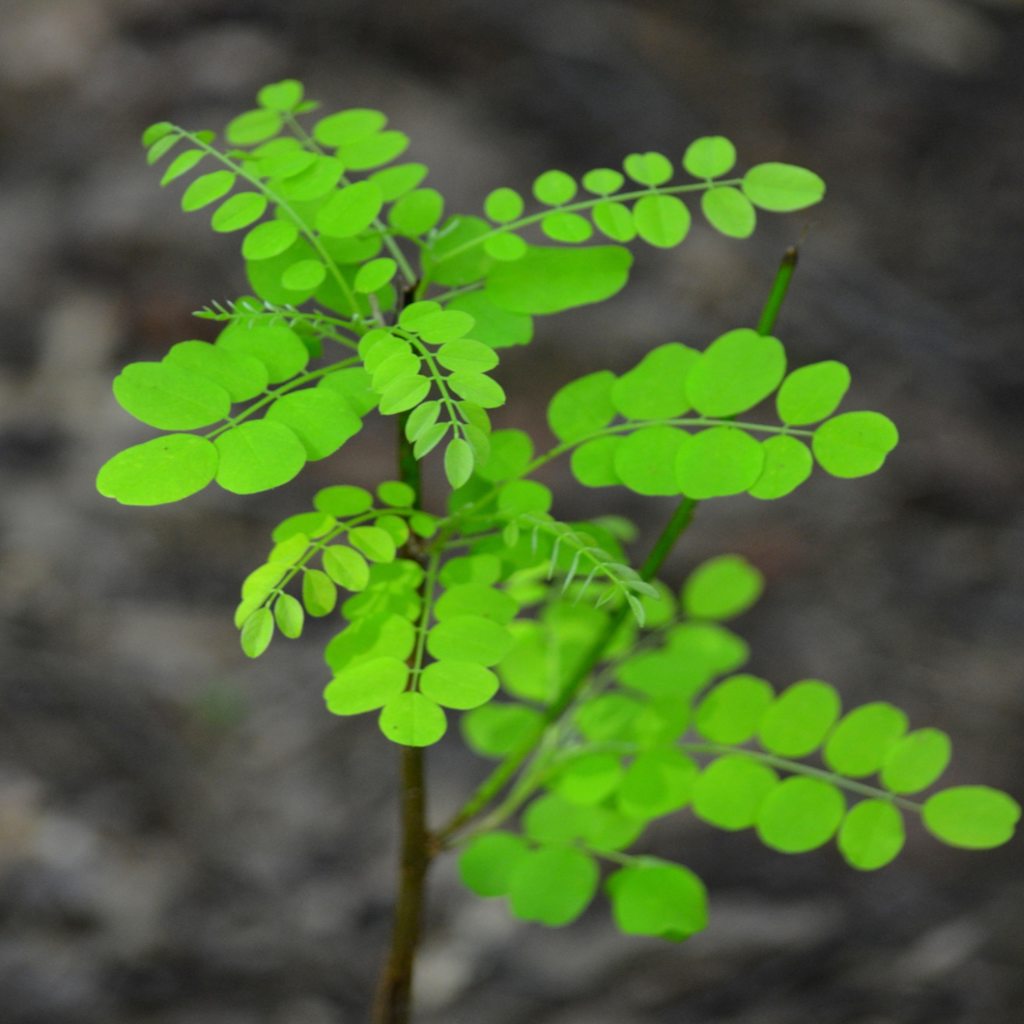
This tree species is known for its symmetrical leaves. They’re a bit long and divided into many oval leaflets.
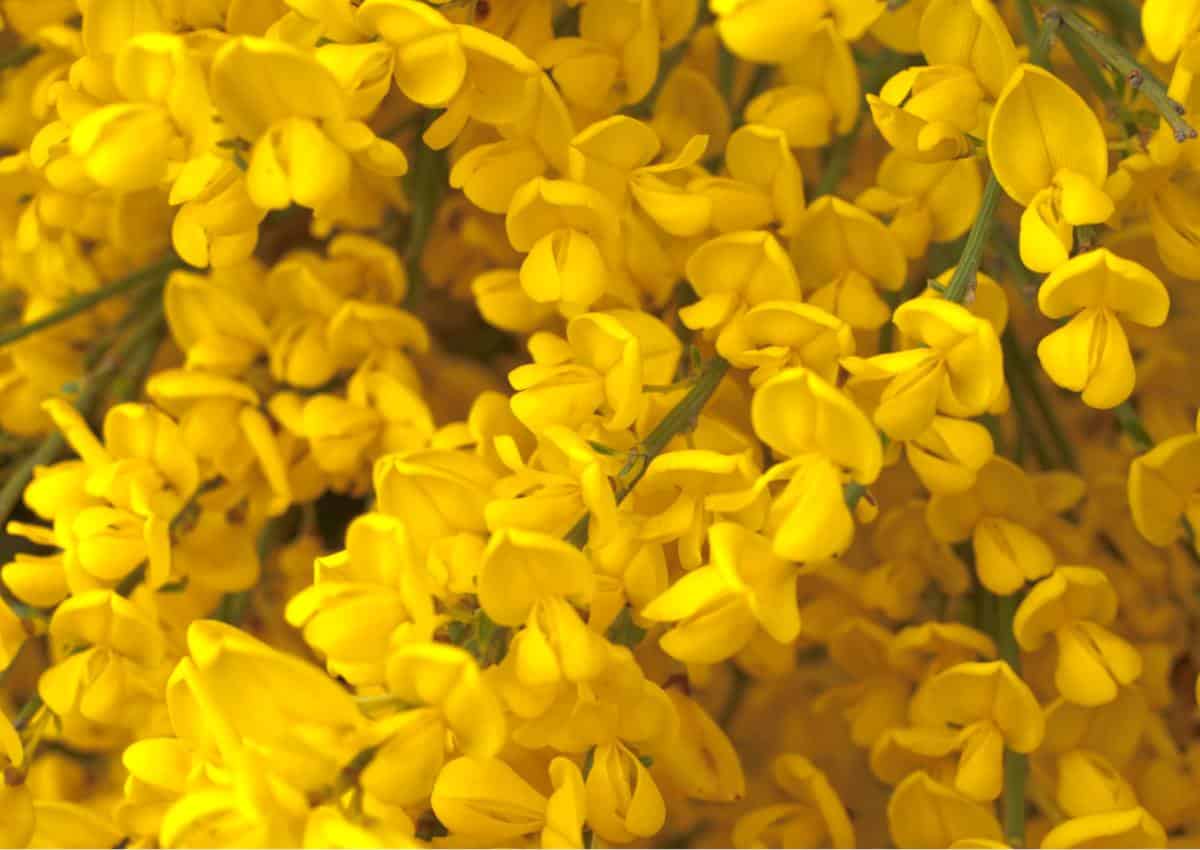
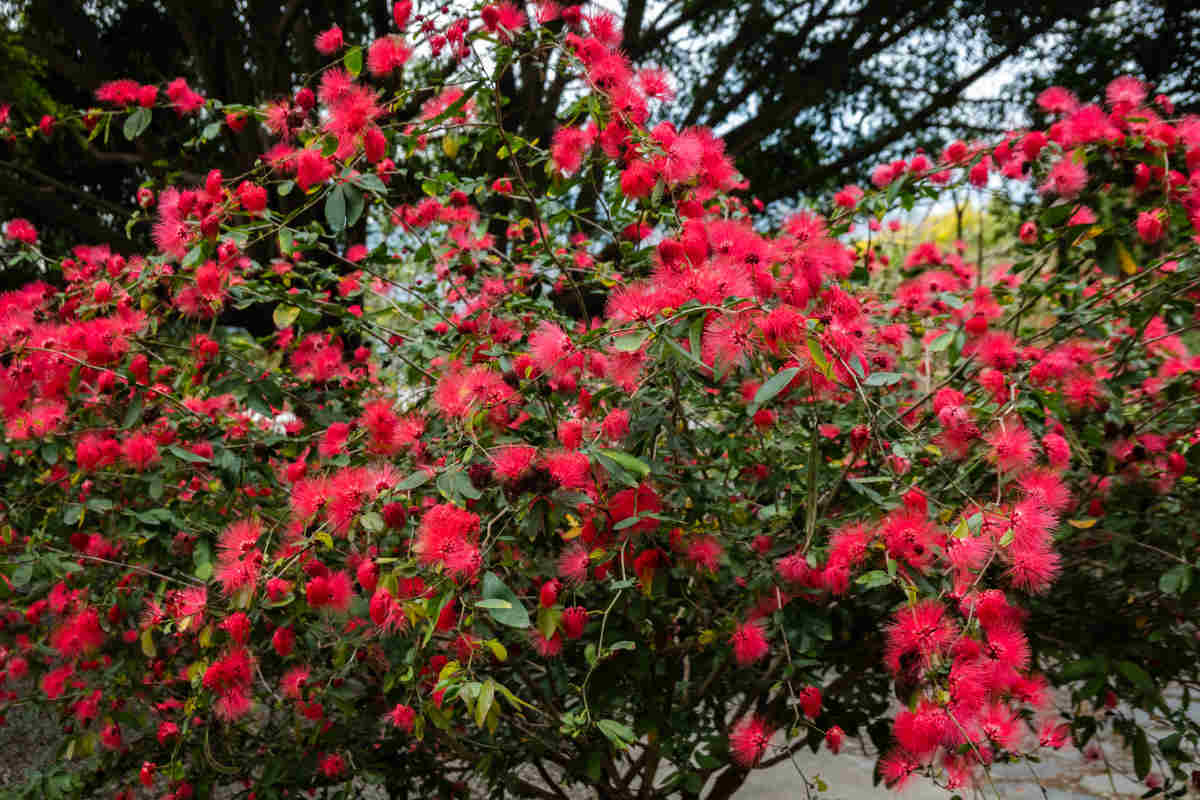
Flowers bloom in hues that range from white to pink, depending on the species. Flowers grow in particularly fragrant clusters. It’s a true bounty for bees! Honey produced from Acacia trees is surprisingly clear and stays liquid for many months.
Acacia leaves close up a night, exactly like those of its tiny relative, Mimosa pudica.
The scientific term for this is “nyctinasty”.
There’s no consensus yet as to how this benefits these large trees. Some say it attracts hunting predators that eat leaf-eating herbivores. Others have shown that there may be a growth advantage. This means is helps plants grow faster with less nutrients and need for resources.
Different types of Acacia
“Acacia” is a name given to dozens of different types of trees. Among the most beautiful and easy to care for are the following:
Black locust suckers freely from its roots and self-seeds so readily that it is classed as invasive in parts of Europe, so keep it well away from lawns, borders and neighbouring plots.
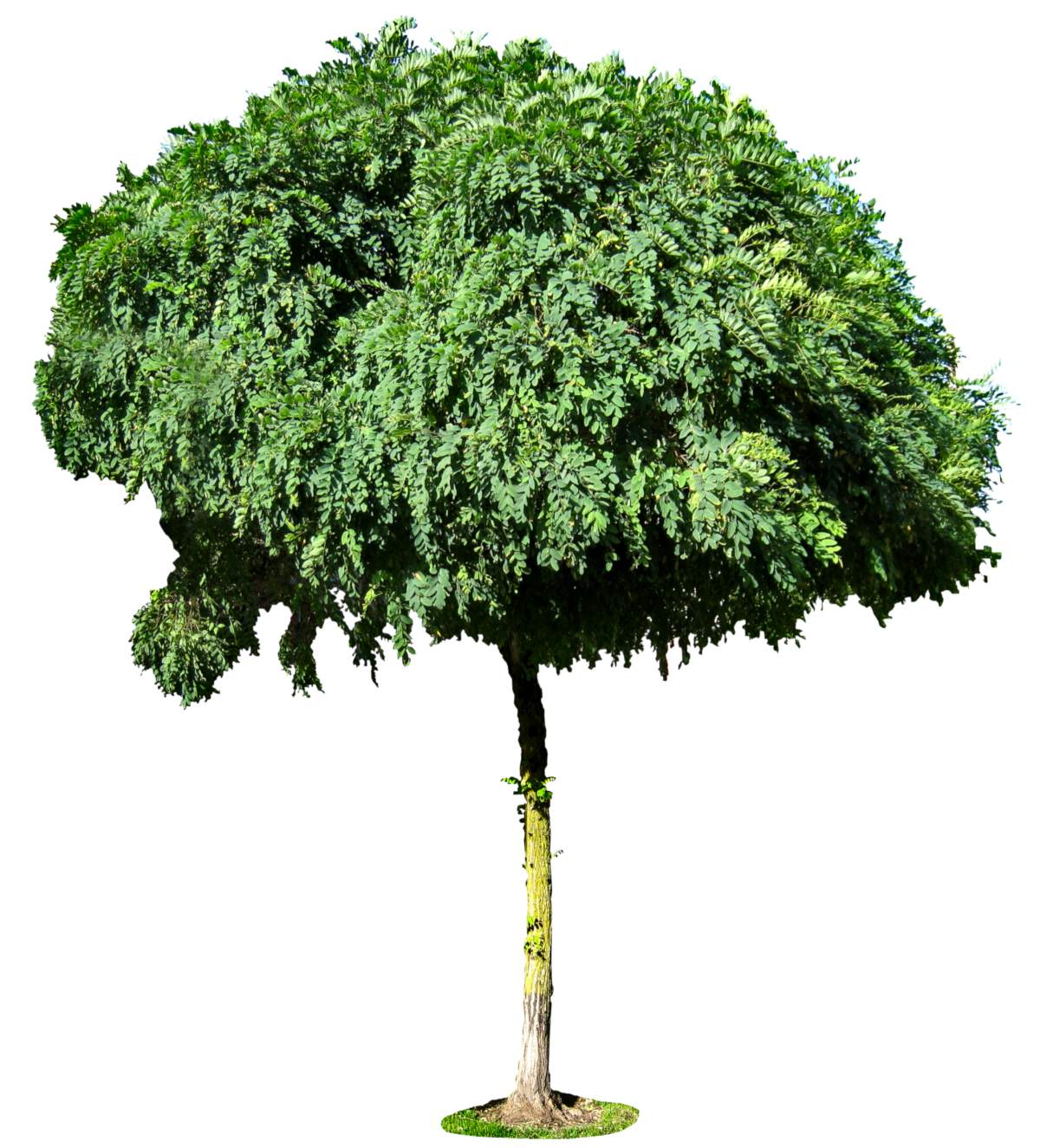
Robinia pseudoacacia ‘Umbraculifera’ is the choice for small gardens: grafted on a clear stem, it forms a dense ball-shaped crown, stays thornless and flowers little or not at all.
The mimosa, Acacia dealbata, is the tender member of the group: it needs a mild, frost-sheltered spot and acidic to neutral soil, turning yellow with chlorosis on limestone.
Albizia julibrissin blooms in summer on the current season’s growth, so cutting back in late winter or early spring usually preserves the silky pink pompom flowers, though heavy or late pruning can still reduce bloom.
Smart tip about the Acacia tree
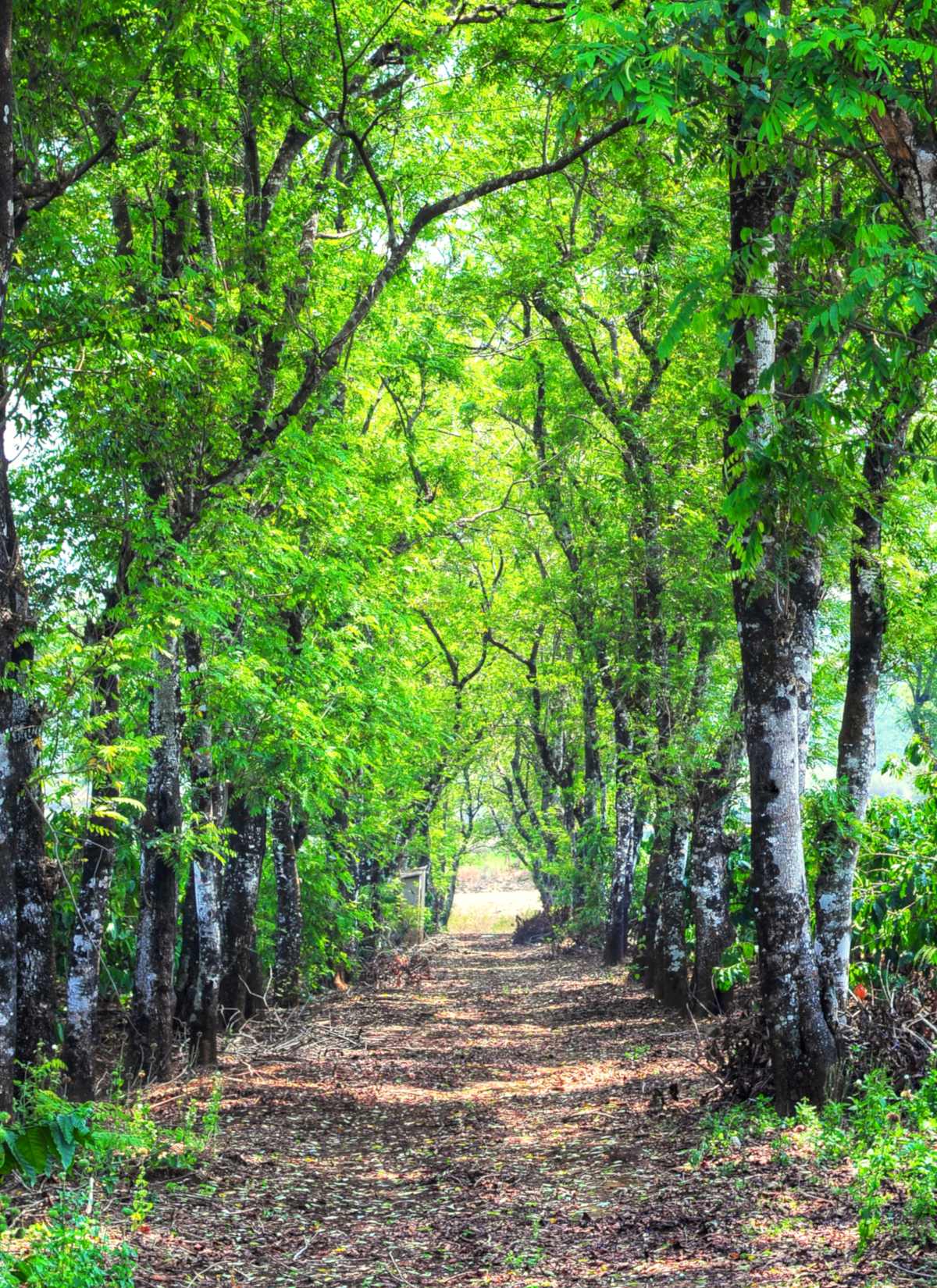
This tree usually has thorns at every leaf joint. It grows into a wide oval crown. Acacia is often used to top large mounds of soil, roadside embankments or long alignments in flat ranges.
Leaves are divided into many oval leaflets and close at night