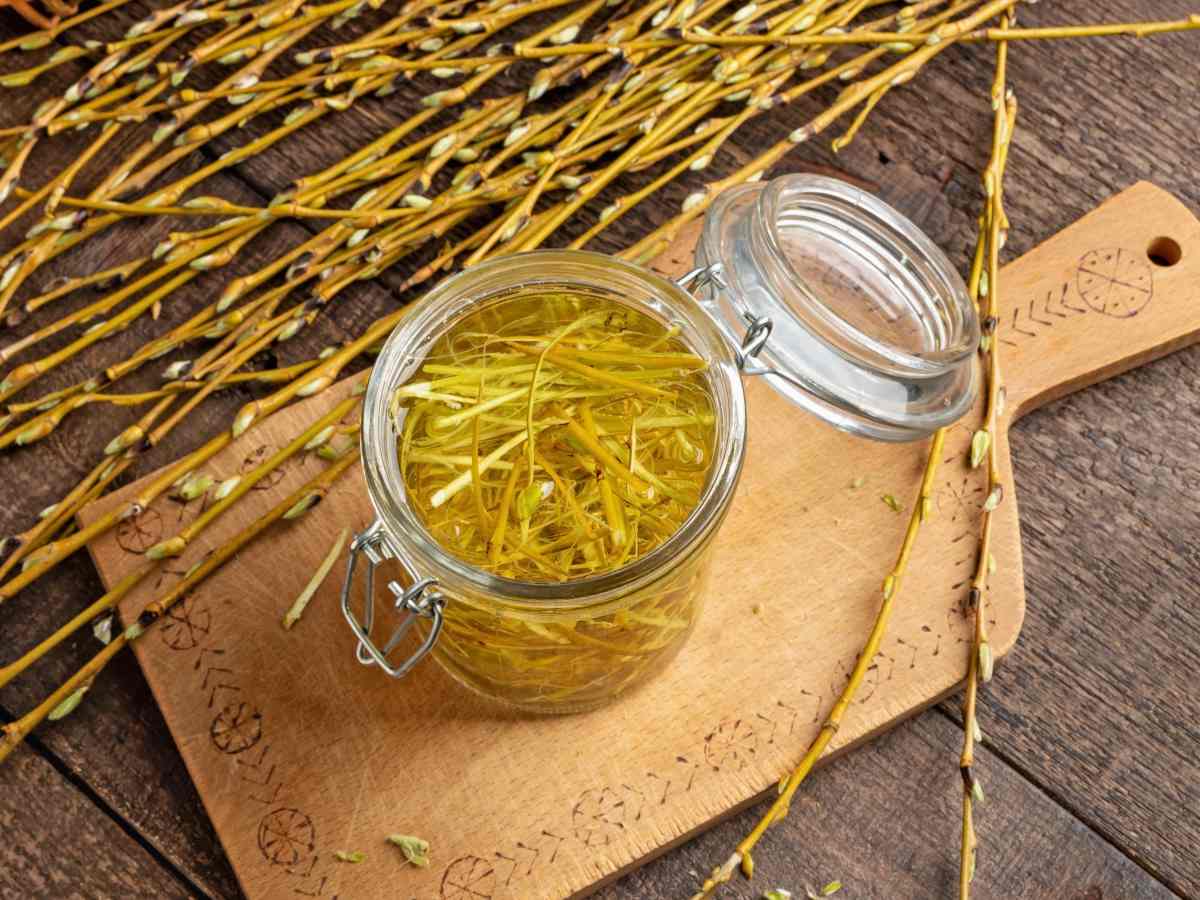
Burning after meals, bloating, a stomach that protests at rich food, alcohol or tobacco: this page gathers the plants herbalists have long reached for when the digestive lining feels raw. Chamomile, licorice, fenugreek, slippery elm, cabbage and celery — which part to use, how to brew it, what it tastes like, and when to leave it alone and pick up the phone instead.
Chamomile, the lead plant on this page, at a glance
Item
Detail
Botanical name
Matricaria recutita
Family
Asteraceae
Part used
Dried flower heads
Forms of use
Infusion, cold infusion, tincture, compress
Harvest season
Early summer to late summer, flowers picked on a dry morning
Taste
Sweet, apple-like, faintly bitter if over-steeped
What these plants are credited with
Chamomile — traditionally used to calm an irritated, tense stomach and to ease digestion after a heavy meal; herbalists also value it in the evening for its quietening reputation.
Licorice root — in traditional European and Chinese herbalism, licorice was given to soothe a burning, sour stomach and to sweeten harsher remedies.
Slippery elm inner bark — North American herbalism credits its mucilage with coating and comforting an inflamed digestive lining.
Fenugreek seed — a long-standing kitchen and folk remedy around the Mediterranean and in India, used to settle the stomach and support appetite.
Cabbage juice — naturopathy has a great reputation for raw cabbage juice taken before meals when the stomach feels sore.
Celery, carrot and aubergine — credited in naturopathy with being gentle, low-irritation vegetables for a fragile digestion.
Bilberry — old European herbals list the dried fruit among the plants taken for digestive comfort.
Whole dried flower heads: the part of chamomile used in infusion
How to use them
Everything below is kitchen-scale, made with a mug, a teaspoon and a small pan.
Chamomile infusion
A heaped teaspoon of dried flower heads per mug of water just off the boil.
Cover and steep about ten minutes — covering keeps the aromatic oils in the cup.
Strain and sip warm, after a meal or in the evening.
Taste: sweet and apple-like. Bitter and hay-like if you leave it much longer than ten minutes.
Licorice root
A small pinch of dried, powdered or shredded root per mug, steeped ten minutes, then strained.
Traditionally taken in short spells of a week or so, not as a daily habit.
Taste: intensely sweet, needs no honey. Stop if it starts to taste cloying.
Fenugreek decoction
A teaspoon of seeds simmered in a couple of mugs of water for ten minutes, then strained.
A little honey softens it; the raw flavour is maple-sweet with a savoury, curry-like edge.
Drink warm, once daily as a short course.
Slippery elm
Grind the inner bark to a powder, or buy it ready-powdered.
Whisk a teaspoon into a mug of hot water and let it thicken for a few minutes.
Taste and texture: bland, faintly malty, slippery — closer to a thin gruel than a tea.
Traditionally taken for a week at a time, well away from other remedies or tablets.
Vegetable juices
Cabbage and carrot: blend half a small cabbage with two carrots and a cup of water, strain, and take half a cup before meals. Drink it fresh — it turns sulphurous within the hour.
Celery: juice the stems and leaves. Mildly salty and green-tasting; dilute if it feels strong.
Cooked vegetables: carrot and aubergine, steamed or roasted without heavy spicing, are the naturopathic mainstay when raw food feels too much.
Forms of use compared
Plant and part
Form
Preparation
Traditionally taken for
Chamomile flowers
Infusion
Steeped ten minutes, covered
A tense, irritated stomach after meals
Licorice root
Infusion
Small pinch, short course only
Sour, burning discomfort
Fenugreek seed
Decoction
Simmered ten minutes, honey optional
Unsettled digestion, poor appetite
Slippery elm bark
Gruel or thick drink
Powder whisked into hot water
Coating a raw-feeling lining
Cabbage and carrot
Fresh juice
Blended, strained, drunk at once
Comfort before meals
Frequently Asked Questions
The one thing to remember: a covered chamomile infusion, steeped ten minutes and sipped warm after meals, is the gentlest place to start — alongside, never instead of, a medical opinion.
Which plant should I start with tonight?
Chamomile. A heaped teaspoon of dried flower heads per mug, covered and steeped for ten minutes, then strained. It is the mildest of the group and the easiest to find. Keep the lid on the cup while it brews, or the aromatic oils escape with the steam.
Why is licorice only used for short spells?
Its sweet compound, glycyrrhizin, affects fluid and potassium balance when taken day after day. Traditional practice uses it in short courses of about a week, in small pinches. Skip it entirely if you have high blood pressure, heart or kidney trouble, or take diuretics or corticosteroids.
Does cabbage juice have to be raw?
Naturopathy uses it raw and freshly made, blended with carrot and a cup of water, then strained. Drink it within minutes of making it — it develops a strong sulphurous smell quickly. If raw juice feels too harsh, steamed carrot and aubergine are the gentler option.
What does slippery elm actually taste like?
Bland and faintly malty, with a slippery texture once the mucilage swells. It is closer to a thin porridge than a tea, and most people drink it for the texture rather than the flavour. Take it well away from any tablets, as it can slow their absorption.
Can I combine several of these at once?
Keep it simple: one preparation at a time, so you can tell what suits you. Chamomile pairs comfortably with fennel seed or lemon balm. Licorice and fenugreek both carry real interactions, so they are not plants to stack on top of other remedies.
This information is provided for general interest and reflects the traditional use of plants. It is not a substitute for medical advice. If you are on medication, pregnant, or in any doubt, ask a healthcare professional.
Written by Gaspard Lorthiois | Loves helping out, especially when it comes to growing things. Worked in herbal medicine, runs a farm, and dabbles in tech. Master's degree and engineer.