Your autumn bulb-planting enthusiasm may be killing them before spring arrives. Overwatering freshly planted bulbs in October is the fastest way to trigger rot in cold, wet soil. The critical moisture window lasts only weeks, and getting it wrong now means no flowers next spring. Here’s exactly when to water and when to leave them alone.
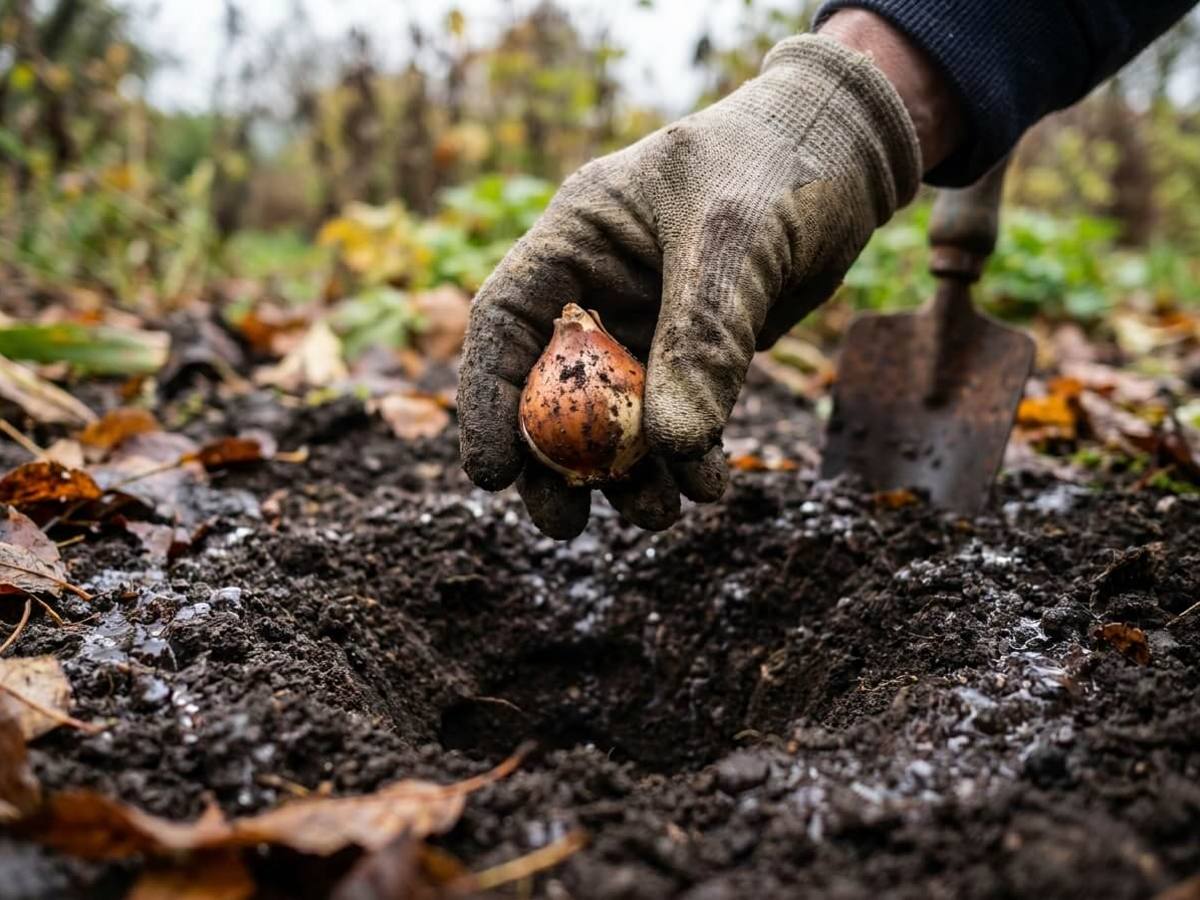
Across the UK and US, gardeners are planting tulips, daffodils, and crocuses throughout autumn, following the sensible rule to plant when soil temperatures drop below 13 °C. But many make a fatal mistake: they water heavily after planting, assuming newly planted bulbs need establishing. The reality is harsher. In October, when soil is often already moist from autumn rain and temperatures remain relatively warm, excess water creates the perfect breeding ground for fungal rot.
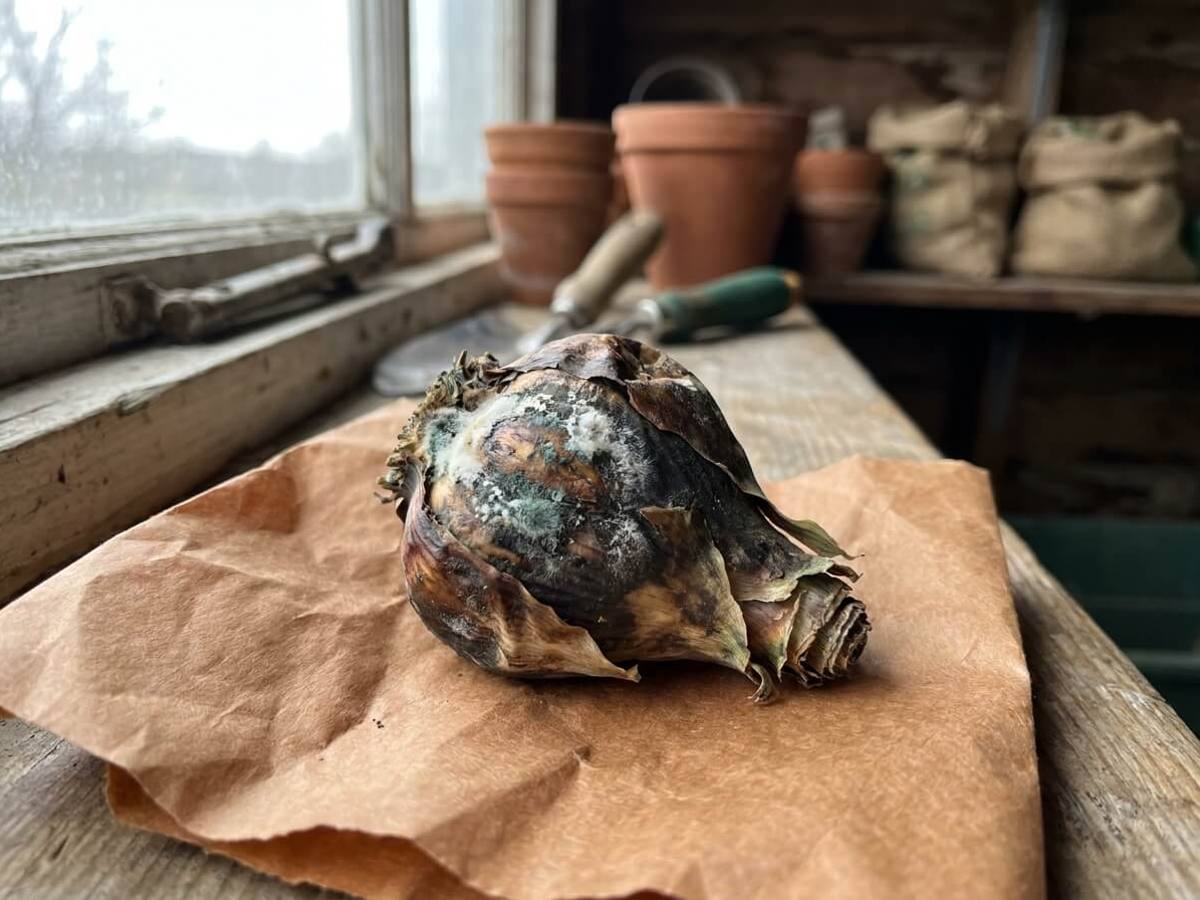
Bulbs are storage organs designed to survive winter dormancy, not thrive during it. They require far less water than most gardeners imagine. Unlike seedlings or transplants that need consistent moisture to establish roots, spring bulbs planted in autumn are essentially in hibernation mode. They’ll sit dormant until winter cold triggers the chilling period they need for flowering. Excess water during this dormant phase traps oxygen in the soil, encouraging pathogens like Fusarium and Botrytis to colonise the bulb’s papery exterior.
A study of bulb failures found that overwatering in the first four weeks after planting accounted for roughly 40 per cent of rot problems. The damage isn’t always visible until spring, when gardeners open their soil expecting shoots and find mushy remains instead.
Follow these steps to protect your bulbs through their critical establishment phase.
Over the coming weeks, your bulbs will begin their root development phase in cold soil, establishing the anchor system they’ll use to push up spring growth. This happens invisibly, beneath the surface. Resist the urge to check on them or water unnecessarily. Come late winter, when soil begins to warm and daylight lengthens, water needs will increase slightly, but only as shoots emerge from soil. Your patience through autumn dormancy will reward you with healthy, robust flowering in spring.