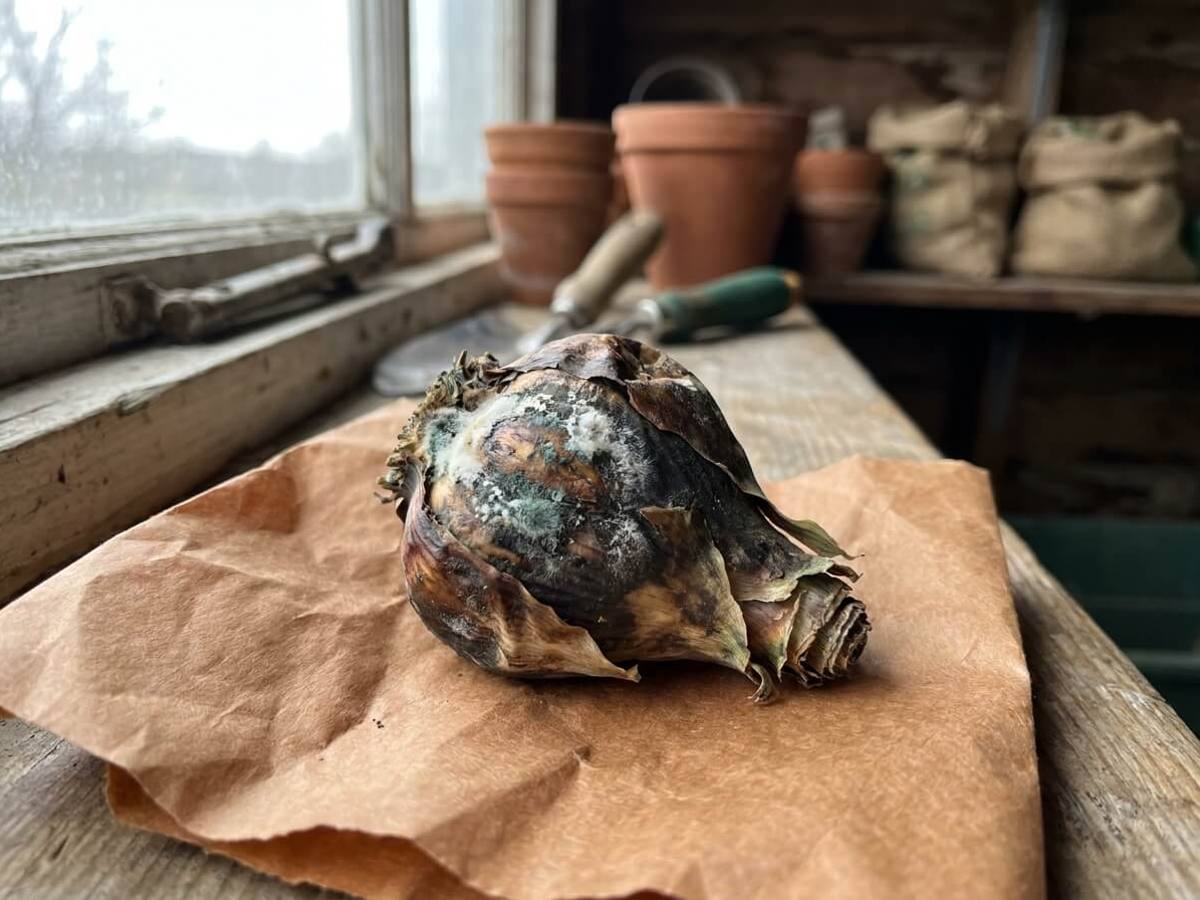
Why September bulb deliveries are failing in storage
September is peak bulb-ordering season across the UK and US, with gardeners receiving shipments ready for October planting. But the transition from summer to autumn creates a storage problem: ambient temperatures hover between 12 and 18°C in most homes and garden sheds, which is neither properly warm nor sufficiently cold for bulb health.
Bulbs require either genuine refrigeration below 5°C or a genuinely dry, cool environment to dormancy. The awkward middle ground of a slightly cool shed or garage actively encourages rot.
Understanding why moisture is the real culprit
Bulbs are living tissue wrapped in papery skin, and that skin is only a barrier when conditions are dry. Once bulbs arrive in sealed plastic packaging or breathable mesh bags, any residual moisture from transport becomes trapped, creating a humid microclimate. Add fluctuating September temperatures and you have the perfect recipe for fungal rot.
Gardeners often assume their shed is suitable storage because it feels cool. However, without proper ventilation and explicit drying conditions, storage bags become incubators rather than sanctuaries. A bulb that feels slightly soft to the touch or smells of damp earth has already begun to fail.
How to inspect and store bulbs correctly this month
Start by opening all packaging immediately upon arrival, before rot progresses:
Inspect each bulb for soft spots, mould, or a sour smell; discard any affected specimens immediately to prevent spread
Spread bulbs in a single layer on newspaper or cardboard in a well-ventilated space away from direct sunlight
Keep storage temperature between 5°C and 10°C if possible; if your shed stays above 15°C, move bulbs to a cooler location like an unheated garage or north-facing porch
Check bulbs weekly for moisture; if condensation forms inside storage boxes, increase ventilation or transfer bulbs to open trays
What to monitor as October approaches
During the weeks leading up to planting, continue inspecting your stored bulbs for any sign of softening or mould growth. Healthy bulbs should feel firm, retain their papery skin, and smell faintly earthy but never damp. Once soil temperatures fall below 12°C and the ground becomes workable, your bulbs will be ready to go into the earth where they belong, emerging as reliable spring colour even if storage felt precarious.
🌿 Nature & Garden Newsletter
Gardening tips, recipes & seasonal advice, twice a week.
🌿 Nature & Garden Newsletter
Gardening tips, recipes & seasonal advice, twice a week.
🌿
Get our gardening tips, recipes and seasonal advice
Subscribe to Nature & Garden Newsletter — twice a week, no ads.