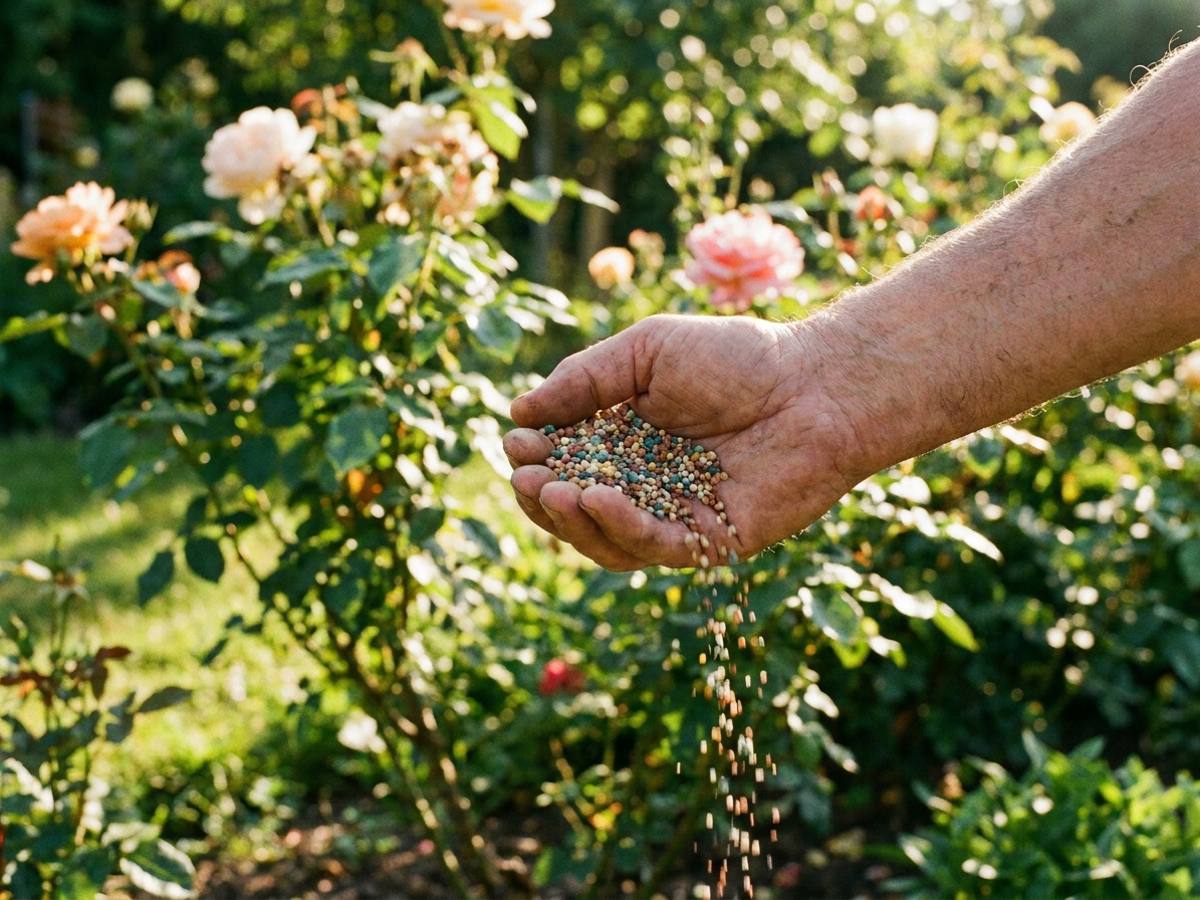
Your rose bushes may look hungry in July, but feeding them now is a gardening mistake that invites powdery mildew, aphids, and weak growth. Summer fertiliser applications trigger soft, nitrogen-rich foliage that pests devour and diseases exploit. The answer isn’t more feed, it’s knowing when to stop.
Mid-summer is peak growing season in UK and US gardens, and it’s tempting to keep feeding. High temperatures and long daylight hours mean roses are actively putting on new growth, their leaves glossy and their blooms prolific. But this is precisely when gardeners should pause the fertiliser bottle.
The question is not whether to feed roses, but when. This table sets out what the article recommends for each part of the season.
| Period | Feeding approach | Why it matters |
|---|---|---|
| Midsummer | Pause the fertiliser bottle; deadhead, water deeply at soil level, mulch with 5cm of compost | Peak heat and long days already drive growth, so added feed only pushes soft shoots |
| Late summer | One low-nitrogen feed, high in potassium and phosphate | Hardens growth and prepares plants for autumn and winter without tender new shoots |
| Early autumn | Resume the regular feeding schedule | The feeding pause is over and restraint is repaid with sturdier growth and stronger blooms |
Read the table as a rhythm rather than a calendar: pause at the height of the heat, harden off as it fades, then feed again.
When you apply nitrogen-rich fertiliser during peak heat, roses respond by producing tender, succulent new shoots. This soft growth is irresistible to spider mites, aphids, and rose slugs. At the same time, the plant’s cell walls remain weak and less resistant to fungal infections like powdery mildew and blackspot, both of which thrive in humid, warm conditions.
Horticulturists at the Royal Horticultural Society note that July feeding often results in a flush of growth that flowers, then weakens significantly by August. This boom-and-bust cycle leaves plants exhausted heading into autumn. The rose actually needs hardening off, not pushing on. You’re working against the plant’s natural rhythm when you fertilise now.
Redirect your energy to these evidence-based practices:
Watch for signs of heat stress, including yellowing lower leaves and reduced bloom production. These signal that your rose is coping with the season, not starving. From late August onwards, a single low-nitrogen feed (high potassium, high phosphate) will harden growth and prepare plants for autumn and winter without triggering tender new shoots. By September, you can resume a regular feeding schedule, but July and August are best left as a feeding pause. Your roses will reward restraint with sturdier growth, fewer pest problems, and stronger blooms when autumn arrives.