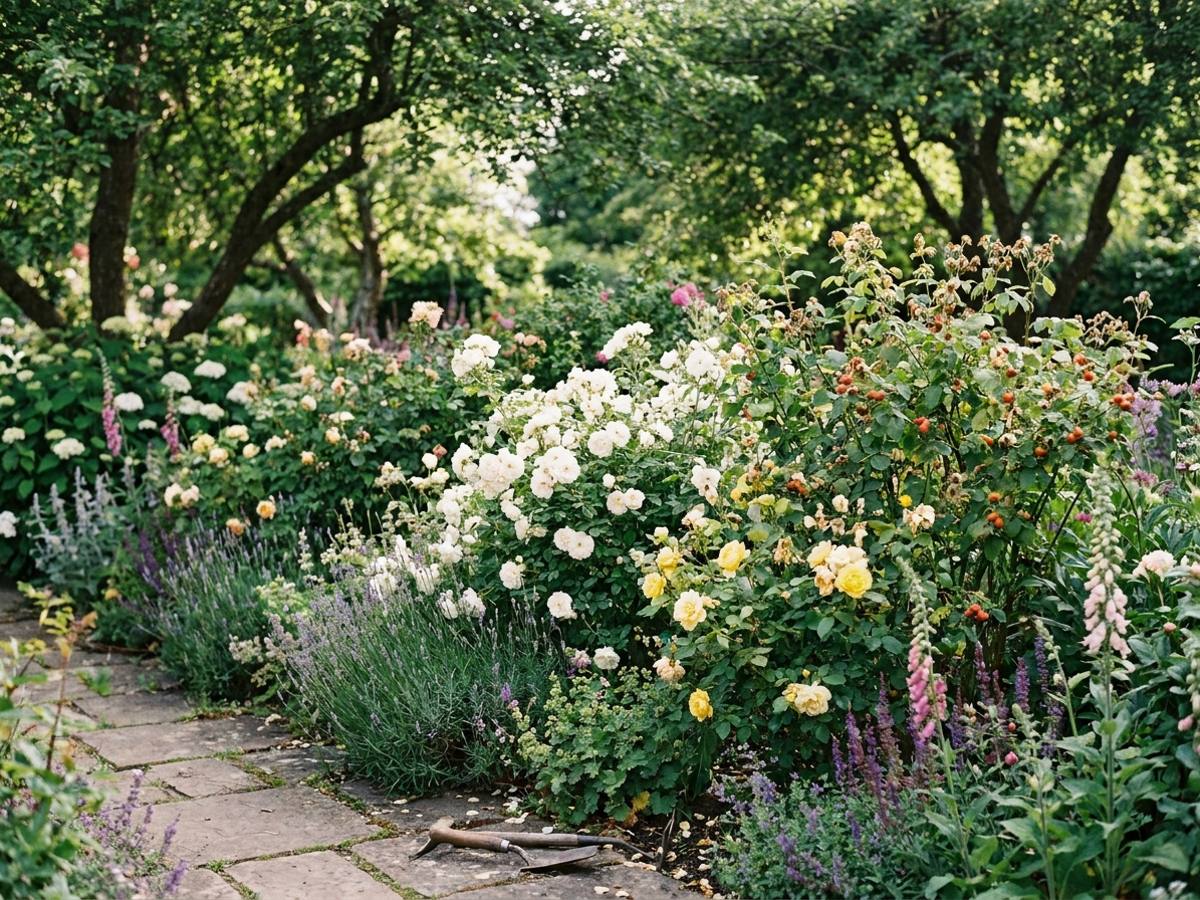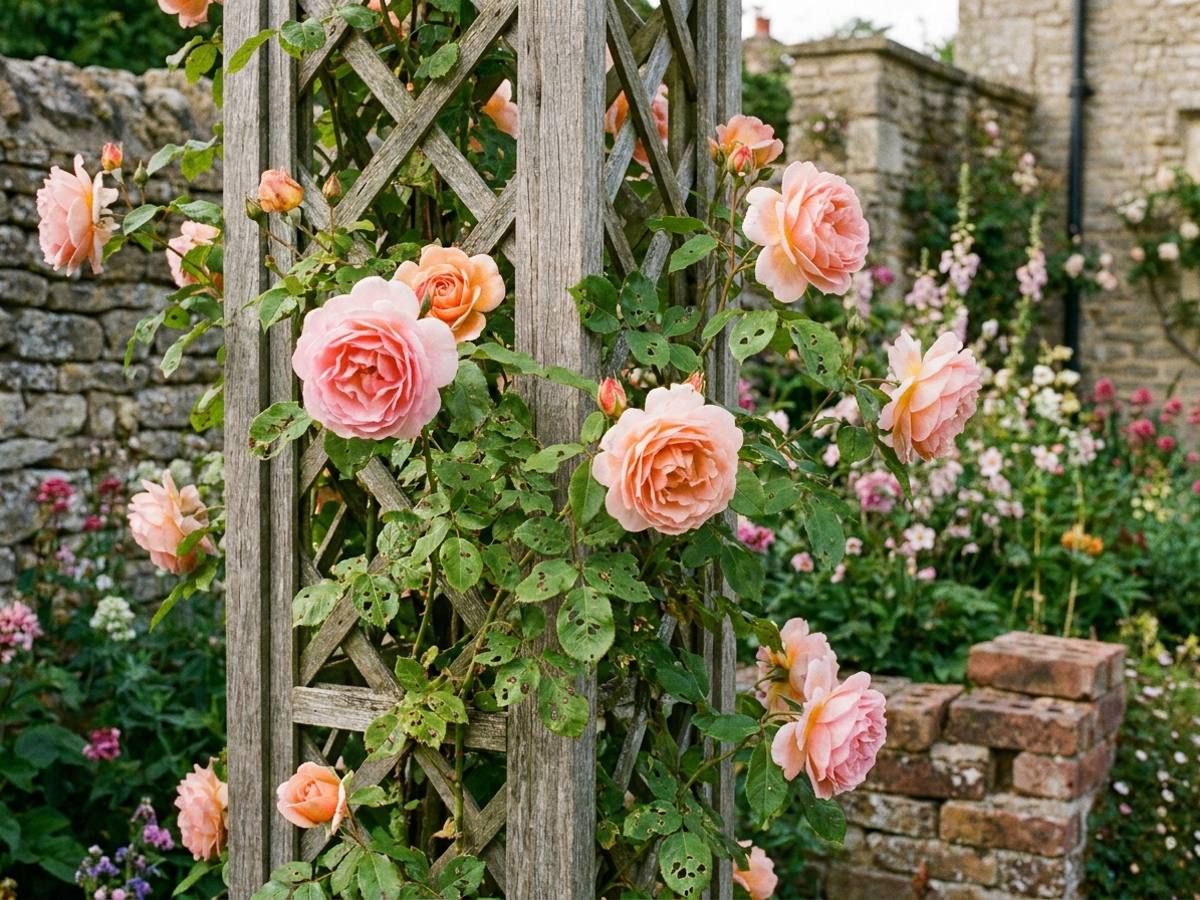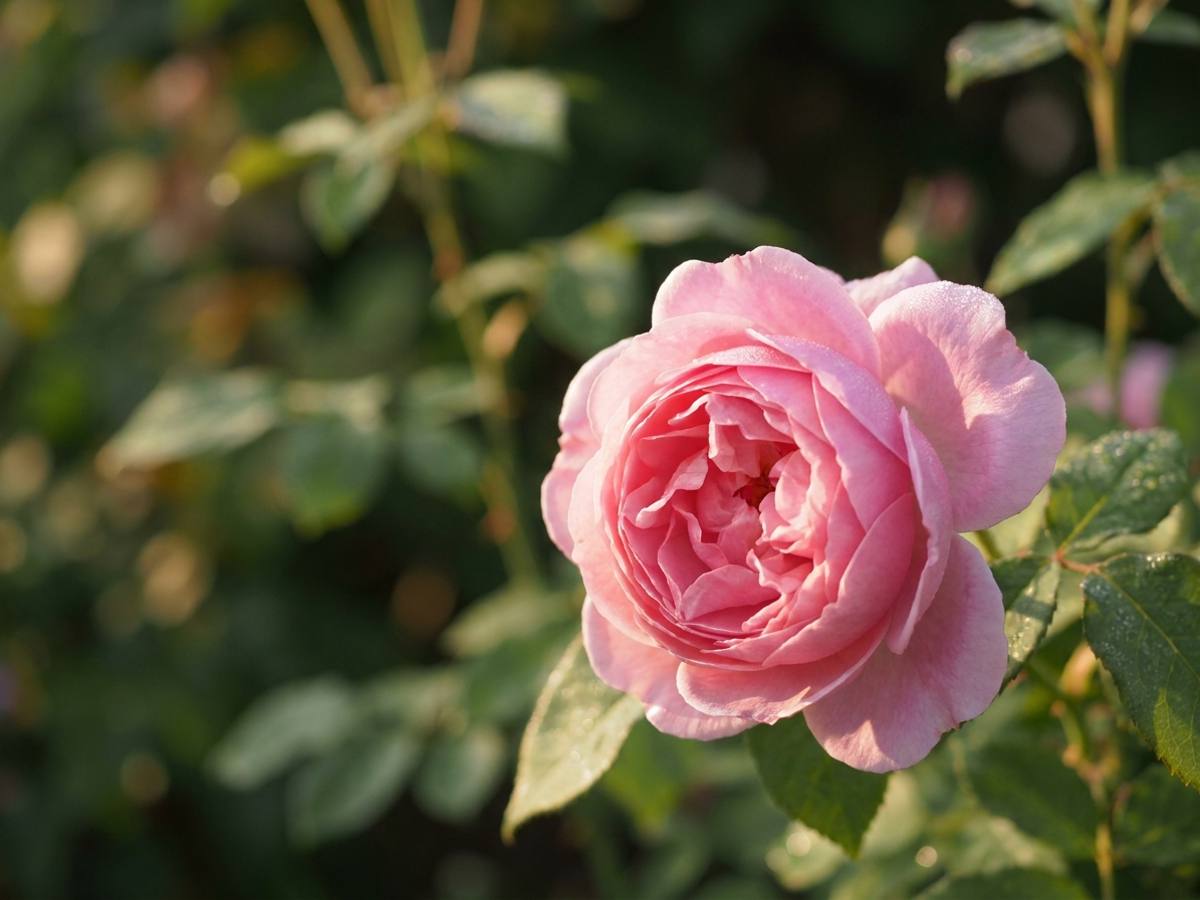
Your roses are hungry right now, and every gardening magazine tells you to feed them. Stop. Summer nitrogen fertiliser creates soft, disease-prone growth and actually reduces flowering when heat stress peaks. A counter-intuitive pause in July protects your blooms and saves money. Here’s what the science reveals.
Right now, across the UK and US, roses are in their summer flush. Temperatures are climbing, rainfall often dries up, and gardeners instinctively reach for the tomato feed or rose granules, believing constant nutrition equals constant blooms. But July’s heat combined with fresh nitrogen creates a perfect storm for powdery mildew, black spot, and spider mite infestations.
Nitrogen-rich feeding in peak summer encourages soft, sappy foliage that pests and fungi find irresistible. Research from the RHS suggests that roses fed heavily during July produce fewer flowers in August and September, not more, because the plant prioritises leaf growth over bloom production when nutrients arrive during heat stress.
The right moment to stop and restart depends on where you garden and how hot your summer runs. This table sets out the pause, its length and what feeding resumes with.
| Period | Where | Feeding action | Effect on the plant |
|---|---|---|---|
| Midsummer | UK | Stop all nitrogen-heavy feeds and lift any slow-release granules | Prevents the soft, sappy foliage that mildew, black spot and spider mites favour |
| Midsummer to late summer | US zones 5-7 | Extend the pause through the whole of late summer | Lower disease incidence than roses fed straight through the heat |
| Midsummer into early autumn | Hotter US zones (8+) | Longer pause, running on into early autumn | Energy goes to flower development and root resilience instead of leaves |
| Late summer onwards | UK and US | Resume with a balanced or potassium-rich formula | Hardens growth and supports a robust autumn flush |
Whichever the region, the pause is the point: feeding starts again only once the heat has eased.
Most feeding programmes recommend fortnightly applications from June through September. This overlooks a critical fact: roses fed during hot months divert energy into vegetative growth precisely when they should be concentrating on flower development and root resilience. A study from University of Illinois found that summer-fed roses showed 30 percent higher disease incidence compared to roses given a July pause and resumed feeding in late August.
Additionally, excess nitrogen leaches into soil and groundwater during heavy summer rainfall or irrigation, wasting your investment and harming local ecosystems. Your wallet and your garden’s health both benefit from stepping back.
Follow these steps to protect your roses whilst they weather summer stress:
From late August onwards, as temperatures drop and autumn approaches, resume feeding with a balanced or potassium-rich formula to harden growth and support a robust autumn flush. You’ll notice fewer disease problems and, counter-intuitively, more prolific flowering from September through October. Monitor soil moisture closely during this transition period, as cooler nights reduce water loss.