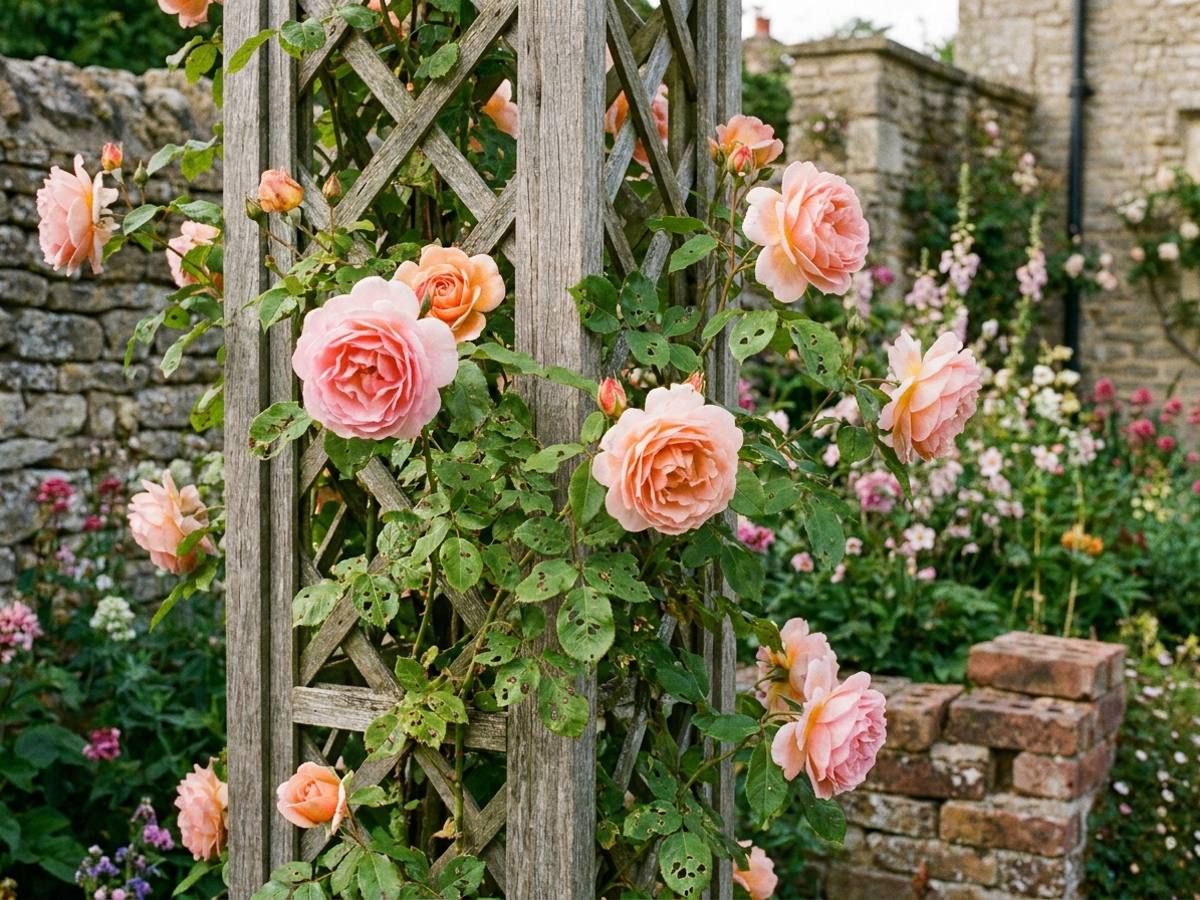
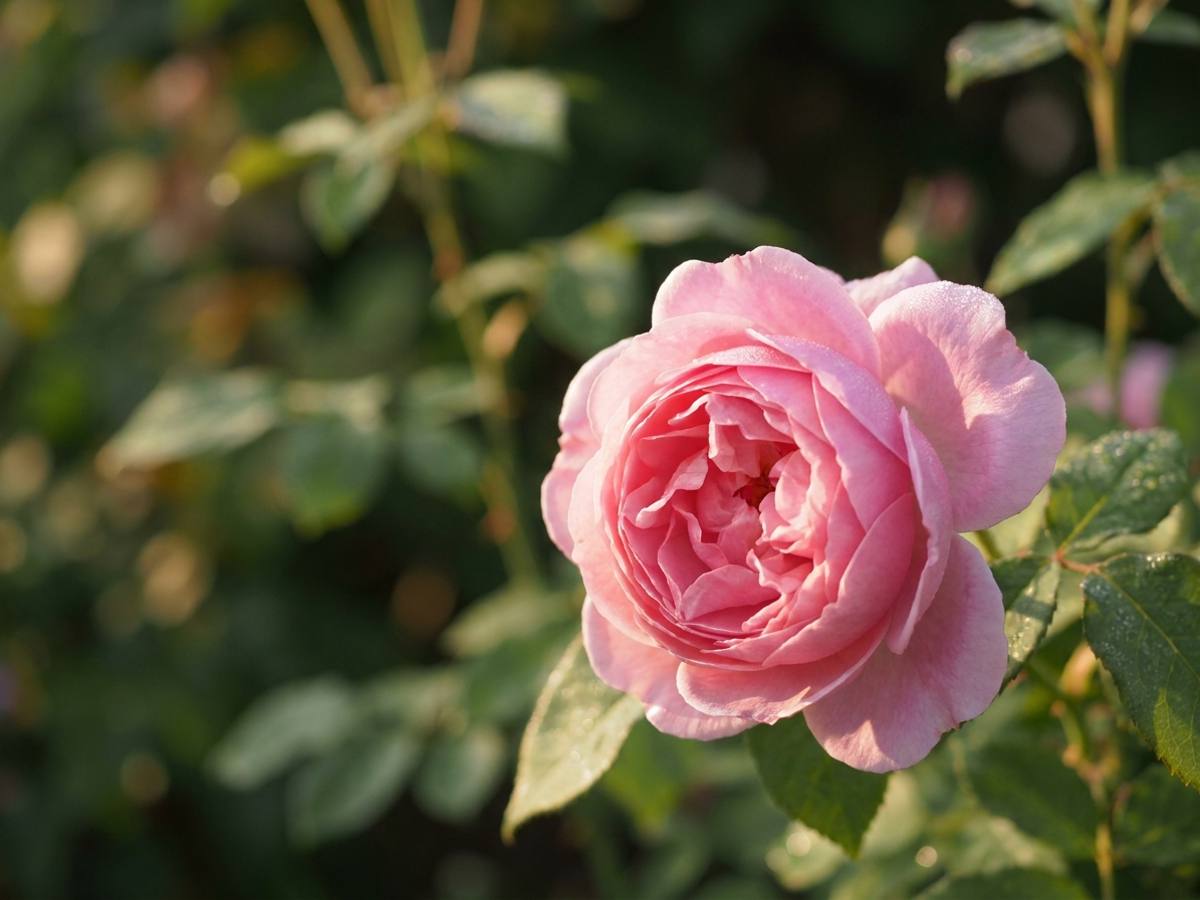
Grafted roses across the UK and US are wilting and dying this August, but it’s not what you think. The rootstock and scion have different water needs, yet most gardeners water them as a single plant. This overlooked detail is causing widespread failure during peak summer heat. Understanding this split-personality watering crisis could save your roses in the next fortnight.
August heat is relentless, and grafted roses are showing unprecedented stress across both countries. The rootstock, typically Rosa canina or Rosa laxa, is now deeper and more drought-tolerant than the ornamental scion grafted on top, yet gardeners are watering to the scion’s needs alone. As summer temperatures peak and soil moisture evaporates rapidly, this mismatch becomes catastrophic.
Grafted roses are botanically two plants joined at the graft union, typically 15 to 30 centimetres above soil level. The rootstock, which extends deep into the earth, is a vigorous wild species bred for hardiness and disease resistance. The scion, the ornamental rose variety grafted onto it, is often less robust and more sensitive to drought stress.
Most gardeners water only the upper soil zone where they can see the graft union and stems. This keeps the scion superficially moist whilst starving the rootstock of deep moisture it needs to support the entire plant during heat waves. When temperatures soar in August, the shallow-watered scion begins to shut down, cutting off nutrient transport to the rootstock below. The result is rapid decline, leaf drop, and bud abortion that looks like disease or pest damage when it’s actually a watering architecture failure.
Act immediately with these targeted watering adjustments:
Over the next two to three weeks, monitor new leaf emergence and stem colour carefully. Healthy leaves should harden and darken; yellow or papery leaves suggest persistent underwatering at depth. Watch the graft union too: if it begins to crack or separate, water stress has already damaged vascular tissue. By late August and early September, correct watering should show recovery through fresh growth and renewed flower bud formation.