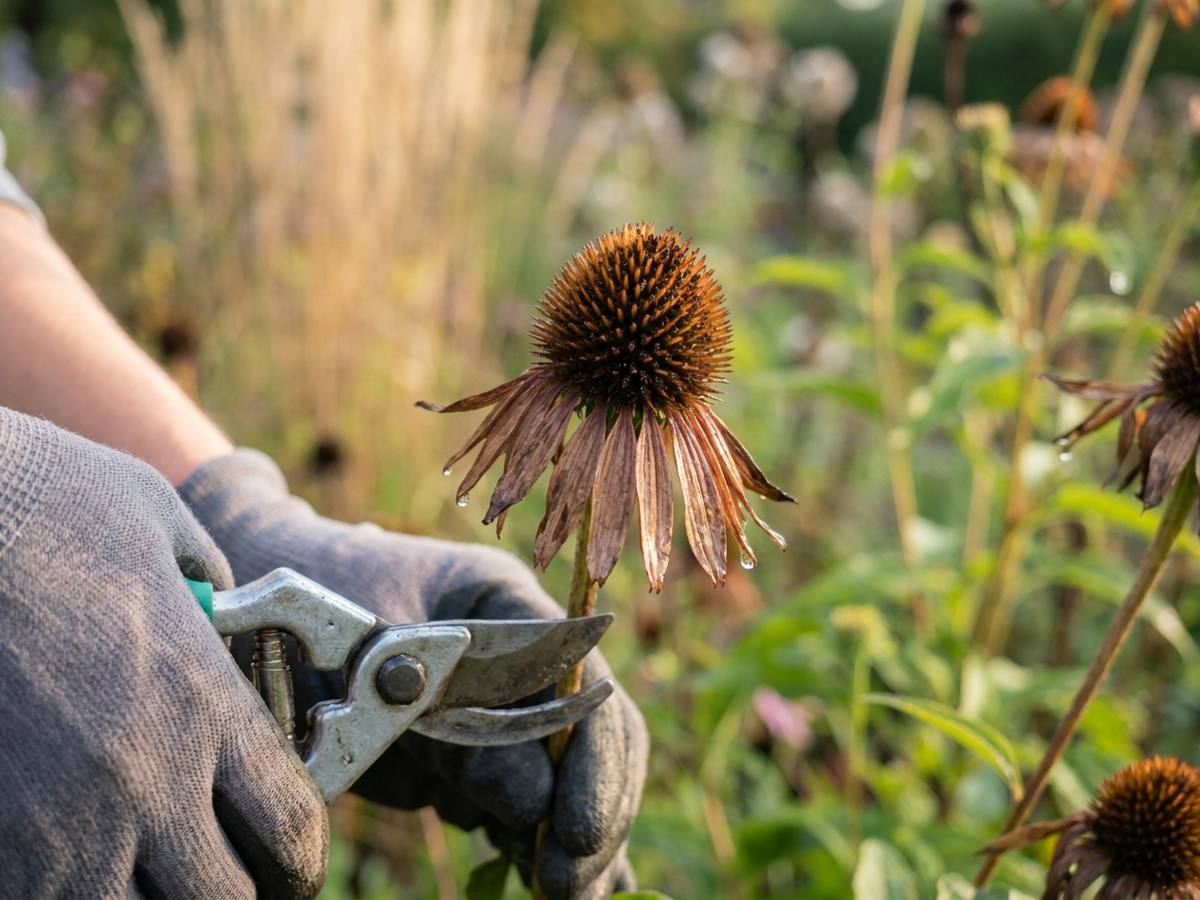
As August heat peaks and your garden’s second flush fades, your instinct is to deadhead. Stop. Those browning seed heads are a lifeline for birds and insects preparing for autumn, and leaving them costs you nothing but delivers food security when insects vanish. This one habit shift could transform your garden’s role in the seasonal ecosystem.
Across British and American gardens, August marks the turning point where spring and early summer bloomers shift into seed production mode. Coneflowers, cosmos, teasels, and ornamental grasses that looked spent last week are now pumping energy into developing seeds that will feed goldfinches, siskins, and dozens of insect species throughout autumn and into winter. This is precisely when most gardeners reach for their secateurs, having been taught for decades that removing dead flowers means more blooms.
The plants named above earn their keep in different ways once flowering is over. This table sets out what each set of seed heads offers wildlife, and how long to leave it in place.
| Plant | What the seed heads give | When to cut back |
|---|---|---|
| Sunflower | A single head can feed thirty goldfinches or more | Leave standing while the finches are still feeding |
| Teasel | Specialist insects that wrens and thrushes then reach | Leave it rather than pulling it out as a weed |
| Coneflowers, rudbeckia, black-eyed susans | Seed for birds foraging right through autumn | Late autumn to early winter, once birds have finished foraging |
| Ornamental grasses | Food plus winter shelter for overwintering insects | Stop cutting them entirely after late summer |
| Cosmos and nigella | Seed shattered across the borders, self-sowing next year | Leave untidied so the seed can fall |
Nothing in this list needs the secateurs before late autumn, and some of it not at all.
A single sunflower head can feed thirty goldfinches or more. Teasel, which many gardeners rip out as a weed, supports specialist insects that only birds like wrens and thrushes can then access. When you deadhead in late August and September, you’re not just removing one flower, you’re eliminating an entire seasonal food source at the moment wildlife needs it most. Gardens that keep seed heads through autumn see significantly higher bird populations when winter arrives hard.
The secondary benefit is equally worthwhile. Those seeds falling into your borders in autumn and winter create free plants next year. Cosmos self-seed prolifically. Foxgloves pop up where you need them. Nigella and calendula establish themselves without seed packets or nursery costs. You’re essentially getting free plant material and softer, more natural garden layouts by simply letting nature finish its work.
Here’s how to break the deadheading habit and garden with wildlife in mind:
Over the coming weeks, notice which birds arrive at your borders as seed heads ripen. Watch how many insects shelter in dried stems. Come spring, pay attention to where seedlings emerge naturally, giving you clues about which plants truly want to grow in your garden. By September and October, you’ll see why letting go of that pruning habit is worth far more than the flowers you thought you were missing.