You’re spending August afternoons pinching off faded flowers, convinced you’re buying extra weeks of colour. Stop. Most perennials have already decided when they’ll bloom, and deadheading won’t change that genetic timeline. Here’s what actually triggers a second flush, and where your time is better spent.
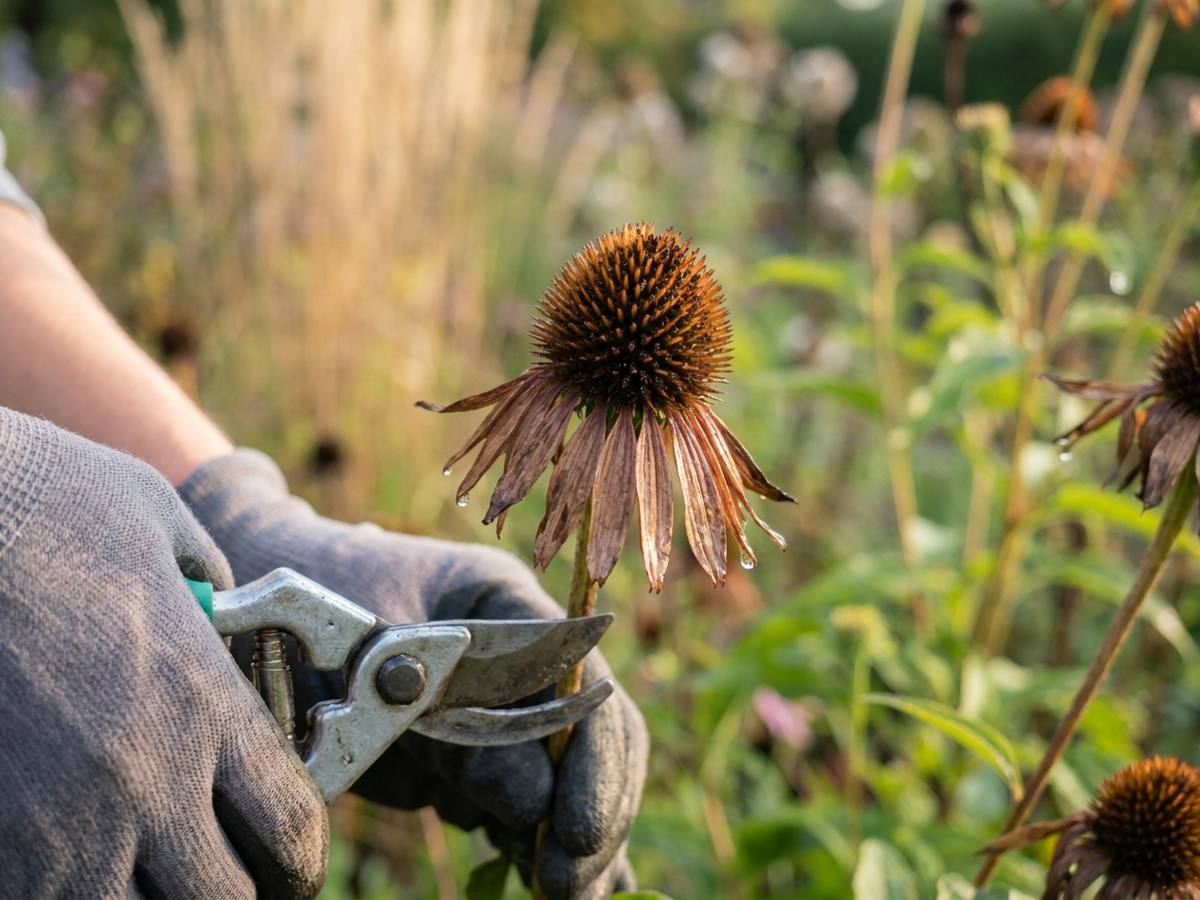
August in the garden is an odd month. Heat stress has exhausted many early bloomers, borders look tired, and gardeners instinctively reach for the secateurs hoping to spark new flowers. The belief is logical: remove the spent seed heads and the plant will redirect energy into blooming again. But this assumption overlooks how most perennials actually work.
For the majority of garden plants, flowering is timed by photoperiod (day length), temperature, and genetics, not by whether you’ve snipped off last week’s blooms. A daylily will flower for its allotted window regardless. A coneflower follows its own calendar. Once that biological window closes in mid to late summer, deadheading becomes theatre, not horticulture.
A handful of plants do reliably rebloom if deadheaded, but they’re exceptions, not the rule. Repeat bloomers like roses, salvias, and some hardy geraniums respond because their genetics include a “rebloom gene” that can be triggered by seed removal. But even these need the right conditions: consistent moisture, cooler nights, and often a nutrient boost. August heat alone often prevents a second flush, which is why September bloomers often put on a better show than August deadheading ever will.
What actually extends flowering into autumn? Cool nights. Rain or deep watering. Shelter from scorching afternoon sun. Feeding with a balanced or potassium-rich fertiliser in late July. These are the levers that matter. Deadheading helps only if your plant is genetically programmed to respond and the conditions align.
Your time is valuable. Channel it here:
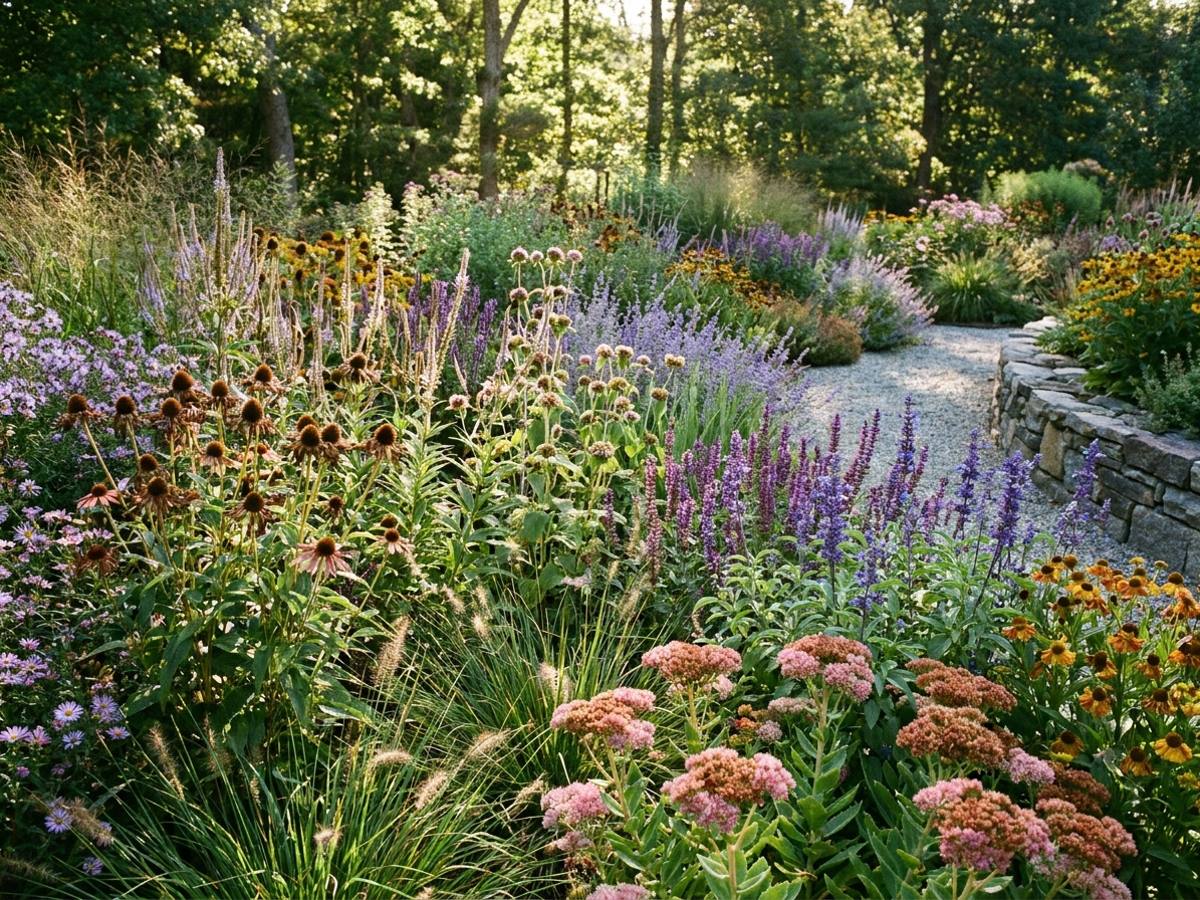
Monitor night temperatures closely. Once the thermometer starts dipping below 15°C consistently, you’ll see a genuine shift in blooming energy. Asters, rudbeckias, sedums, and late-flowering perennials begin their proper show, usually without any help from deadheading. Enjoy the autumn bloomers as they arrive. That’s where August’s garden drama actually unfolds.