Meadowsweet care: how to grow and maintain Filipendula ulmaria
0
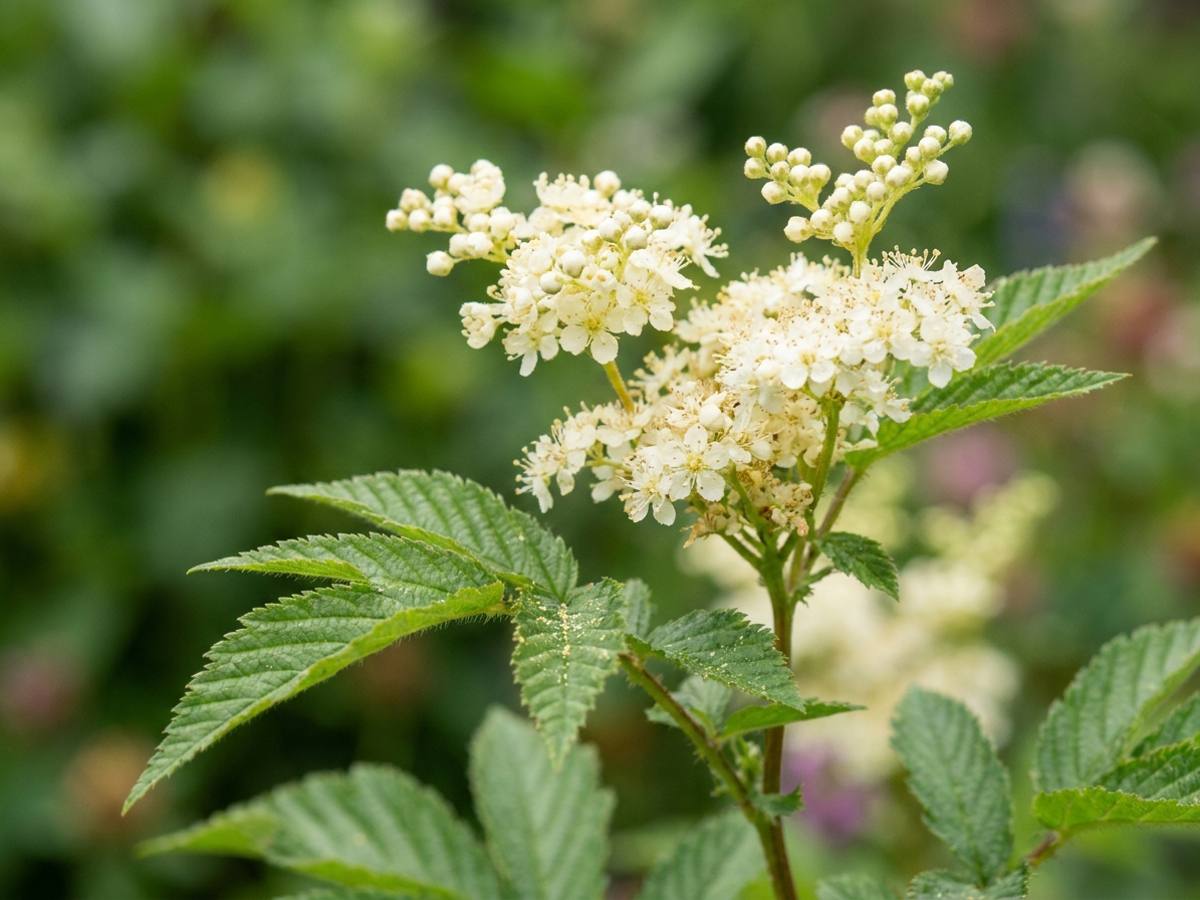
Meadowsweet is one of the great romantics of the damp garden, throwing up frothy cream plumes above pleated, deeply veined foliage from midsummer onwards. A native of wet meadows, ditches and stream banks across Europe and Asia, it earns its place in bog gardens, wildlife borders and pond margins where few other perennials flower so generously. Its most distinctive trait is scent: the flowers smell of almond and honey, whilst the crushed leaves release a sharp, antiseptic whiff of wintergreen.
Growing conditions
Meadowsweet is happiest in full sun where the soil stays damp all summer, but it also performs well in partial shade — a useful quality in gardens where the wettest ground sits beneath trees or on a north-facing bank. In hot, dry regions, light afternoon shade helps prevent scorched leaf edges. Deep shade produces lax stems and sparse flowering.
The ideal soil is heavy, moisture-retentive and rich in organic matter. Meadowsweet copes with seasonal waterlogging that would rot most border perennials, making it invaluable at the edge of a pond or in a rain garden. It is unfussy about pH, thriving on neutral to alkaline ground and tolerating chalk, though it dislikes thin, sandy soils that dry out.
Hardiness is excellent — this is a plant of northern latitudes and it shrugs off hard winters. Gardeners in Mediterranean or continental climates with hot, arid summers will struggle unless they can guarantee constant soil moisture.
How to plant Filipendula
Plant in autumn or early spring, when the soil is naturally moist and roots can establish before summer heat arrives. Container-grown plants can go in at any time from March to October if you are prepared to water diligently.
Space plants 45–60 cm apart so the clumps knit together into a continuous drift without competing for moisture.
Set the crown level with the soil surface — burying it invites rot in wet ground.
Dig in a generous bucketful of well-rotted manure, garden compost or leaf mould per planting hole to boost water retention.
Water in thoroughly, then keep the soil damp for the first full growing season; never let a new plant dry out.
Divide established clumps in autumn or early spring, replanting fist-sized pieces with two or three healthy buds each.
Filipendula ulmaria growing in a naturalistic garden border
Care through the seasons
Spring: Bronze-tinted new shoots appear in March and April — protect them from slugs, which relish the soft young foliage. Apply a mulch of compost or leaf mould around the crown, keeping it clear of the buds, and feed poor soils with a balanced organic fertiliser. Divide congested clumps now if you missed the autumn window.
Summer: Water deeply during dry spells; drought stress is the main cause of mildew and premature browning. Deadhead the fading plumes if you wish to prevent prolific self-seeding, or leave a few for the seedheads, which turn an attractive russet. Plants in full sun may need staking on windy, exposed sites.
Autumn: Cut the stems back to about 10 cm once the foliage yellows, or leave them standing for winter structure and insect shelter. This is the best moment to lift and divide clumps every three or four years to maintain vigour. Top-dress with organic matter to feed next year’s growth.
Winter: The plant dies back entirely and rests below ground, needing no protection whatsoever. Avoid planting in soil that becomes stagnant and airless over winter, as prolonged sitting water on frozen ground can rot crowns.
Best varieties to grow
The wild species is lovely, but a handful of selected forms bring extra foliage interest and longer season appeal.
‘Aurea’ — bright golden-yellow spring foliage that fades to lime-green; best in partial shade to prevent scorching, and often grown for leaves alone.
‘Variegata’ — leaves boldly splashed and streaked with creamy yellow along the midrib, lighting up damp shade.
‘Flore Pleno’ — fully double, longer-lasting cream flowers that give a fuller, frothier plume than the single species.
‘Plena’ — a compact double form reaching around 60–75 cm, useful where the species would be too tall.
Pests, diseases and common problems
Powdery mildew: A white bloom on leaves that curl and brown at the edges, almost always triggered by dry roots. Improve soil moisture with mulch and deep watering, thin crowded stems for airflow, and remove badly affected leaves.
Meadowsweet rust:Triphragmium ulmariae causes swollen, distorted stems and leaf stalks with orange pustules. It rarely kills the plant — cut out and bin affected growth as soon as you see it and clear all debris in autumn.
Slugs and snails: Shredded or holed spring shoots in damp conditions. Use beer traps, wildlife-safe ferric phosphate pellets or evening hand-picking during the vulnerable first six weeks of growth.
🌿 Nature & Garden Newsletter
Gardening tips, recipes & seasonal advice, twice a week.