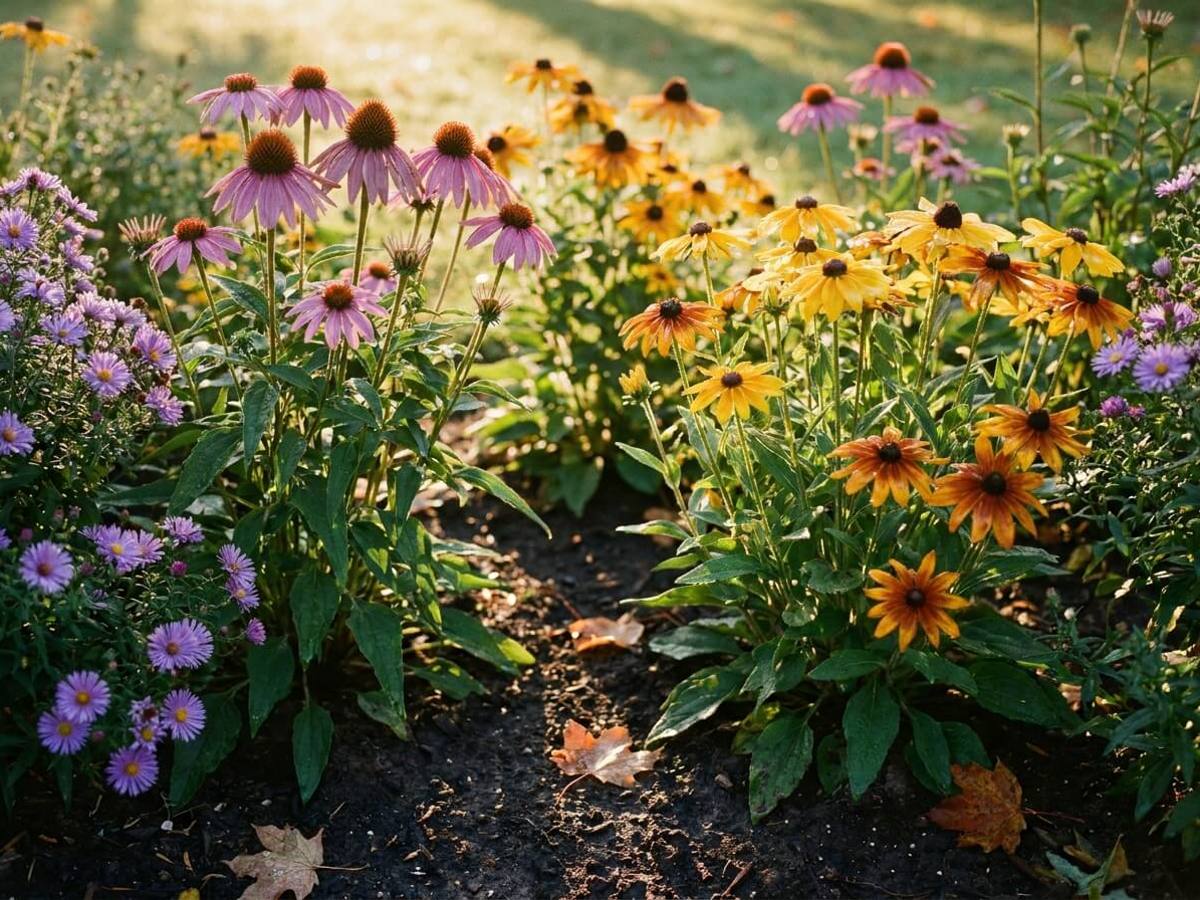
Why Your Autumn Perennials Are Flowering Now—and What That Means
0
If your hellebores, pulmonaria, and bleeding hearts are flowering in September, you’re not alone. Unseasonably warm late-summer temperatures are triggering false springs across gardens, tricking perennials into blooming months ahead of schedule. The good news: you can protect next year’s display. The challenge: knowing whether to deadhead or leave these premature flowers untouched.
When spring bulbs bloom in autumn: why it happens now
Late summer brings warm days and cool nights, creating conditions that feel spring-like to dormant perennials. Across both the UK and US, gardeners are reporting early flowers on plants that should remain quiet for months yet. Hellebores are pushing blooms, pulmonaria is flowering, and even some early daffodil varieties are sending up buds.
This pattern intensifies during September and early October, when temperature fluctuations are most pronounced. A spell of warmth after cool nights can be enough to trigger a false spring response in plants with low vernalisation thresholds.
The real risk: energy depletion and a weakened spring show
The central concern is that premature blooming exhausts the plant’s energy reserves. When perennials flower out of season, they invest sugars and nutrients into buds and petals at precisely the moment they should be storing resources for winter dormancy and next spring’s main display. The result, come April or May, is often a thinner, shorter-lived flowering season.
This is particularly risky for spring ephemeral perennials like hellebores and pulmonaria, which rely on stored energy to flower reliably year after year. A single false spring may reduce next year’s flower count by 30 to 50 percent, depending on how much energy the plant has already committed.
What to do in September: four practical steps
Protect your spring display by acting decisively now.
Deadhead early blooms on hellebores, pulmonaria, and bleeding hearts as soon as flowers appear. Remove spent petals and buds before they set seed, redirecting the plant’s energy back into foliage and root development.
Cut back any shoots that have extended more than 4 inches beyond their usual spring growth pattern. This discourages further flower production and encourages a bushier, sturdier plant for winter.
Avoid fertilising in late summer and early autumn. Nitrogen-rich feeds stimulate fresh growth and can encourage additional false blooming. Wait until late winter to feed.
Monitor soil moisture carefully. Drought stress combined with warm weather intensifies the false spring response. Keep soil consistently moist but not waterlogged to reduce metabolic stress.
Looking ahead: watch for a cold snap
As autumn progresses and temperatures drop below 12 degrees Celsius consistently, the false spring response will cease. Any flowers that have already opened will likely fade quickly once true autumn conditions arrive. This natural dormancy signal is healthy and necessary. Monitor your perennials into late autumn, and resist the urge to fuss. By winter’s end, next spring’s bud formation will begin in earnest, and your restraint now will reward you with a robust flowering season.
🌿 Nature & Garden Newsletter
Gardening tips, recipes & seasonal advice, twice a week.