As September arrives and perennial stems begin to fade, resist the urge to tidy. Fresh research and seasoned gardeners reveal that leaving dead growth standing through winter creates a protective shield for emerging shoots, enriches soil structure, and provides crucial winter habitat for insects. The messy garden is the thriving garden.
Across the UK and US, autumn sees gardeners reaching for secateurs to clear faded perennials. The impulse is understandable, rooted in decades of garden design orthodoxy that equates neatness with health. Yet as temperatures drop and frost becomes a nightly visitor, those hollow stems and dried seed heads serve a far more important purpose than aesthetics.
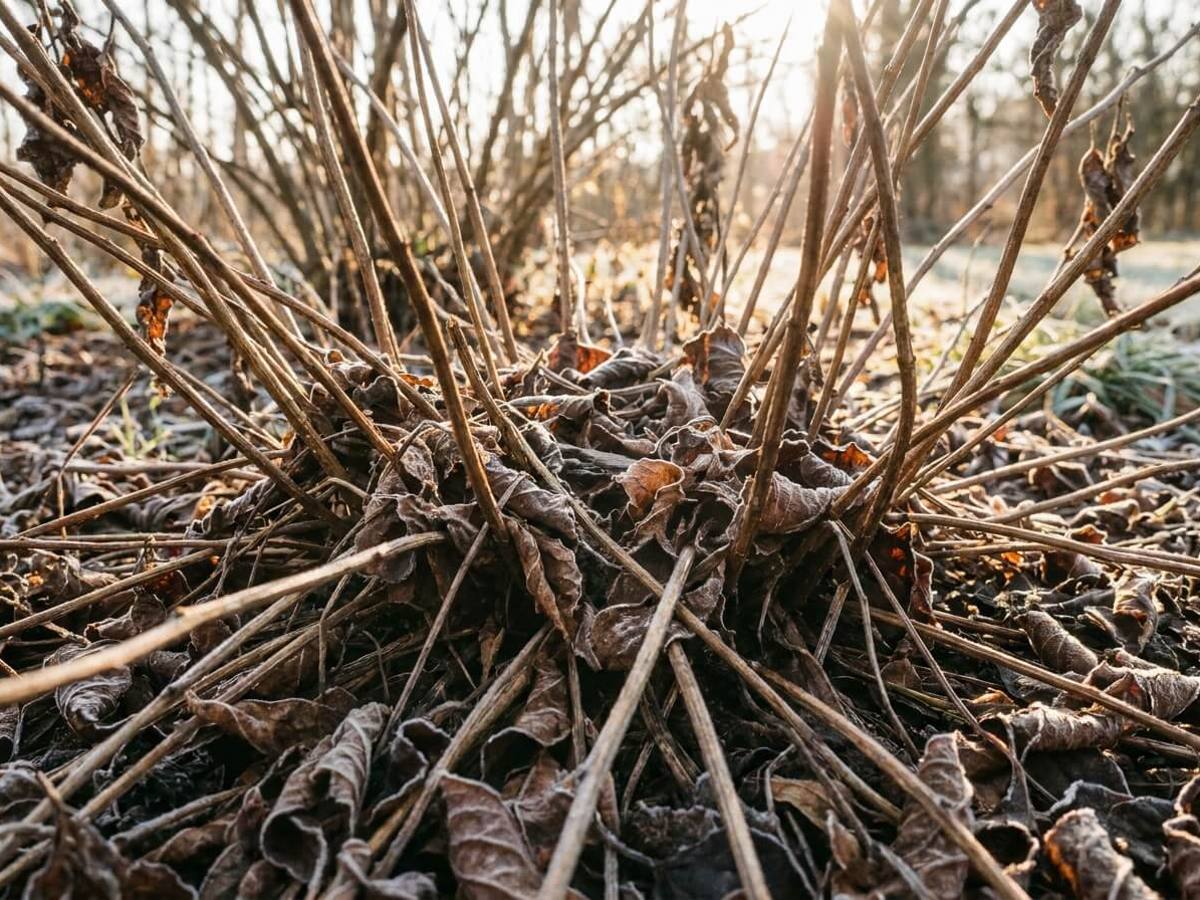
Dead perennial stems act as a natural insulation layer. When frost penetrates soil, tender new shoots emerging at ground level remain shielded beneath the fallen debris and standing stems. Remove that cover too early, and emerging growth becomes vulnerable to late frosts that can damage or kill promising spring buds before they truly establish.
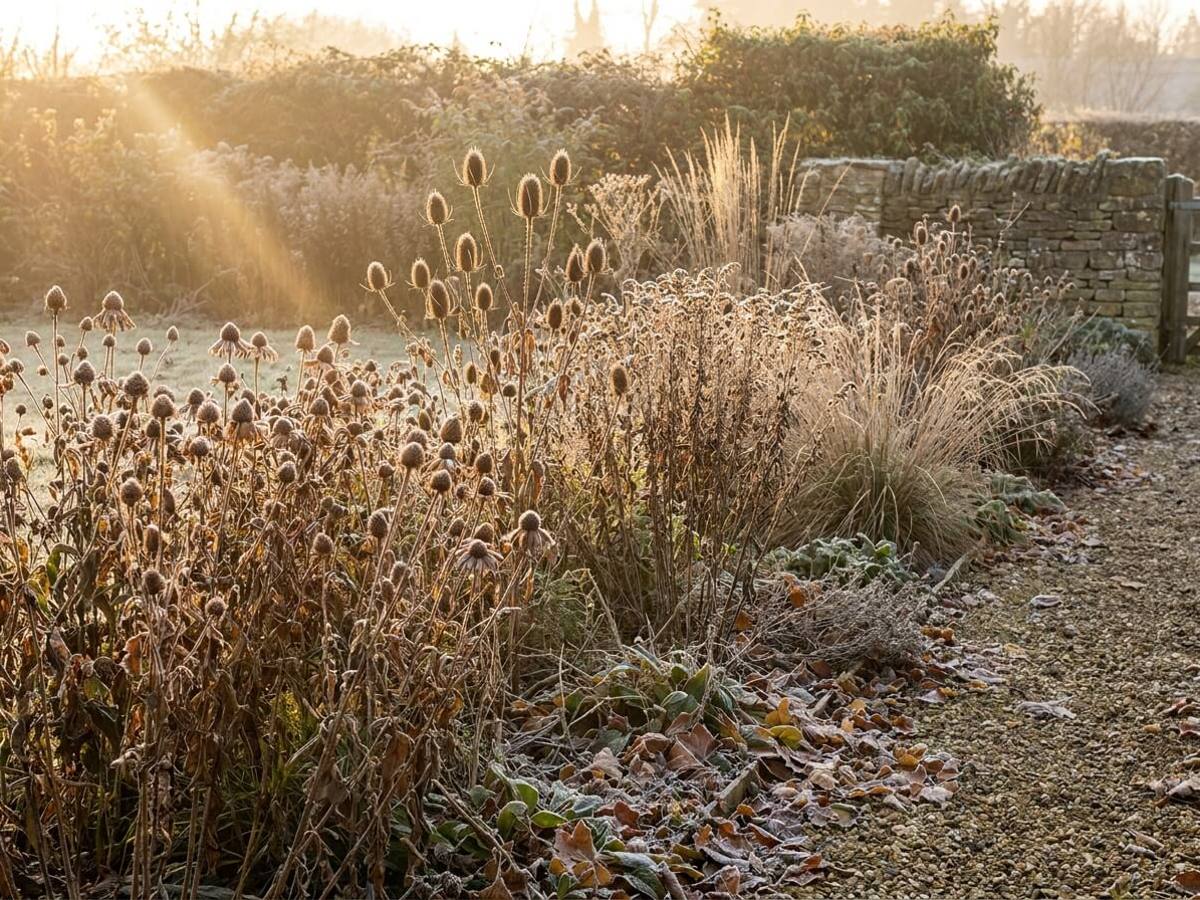
University research into soil biology has shown that leaving organic matter in situ over winter improves soil structure significantly more than bare, cultivated earth. The decaying plant material feeds beneficial microbes and fungi, which in turn improve nutrient cycling and water retention. This translates into stronger, more vigorous perennials come spring. Additionally, hollow stems and dense seed heads provide overwintering sites for hoverflies, lacewings, and other beneficial insects that control pests the following season.
Rather than clear-cutting, adopt a selective approach:
As autumn deepens, observe which perennials maintain their structure best and which collapse under heavy snow or rain. Take notes on spring performance. You will likely notice stronger growth on beds left standing compared to those cleared in autumn. By late winter, as new shoots emerge from the soil, you will see firsthand how dead growth acts as both a protective umbrella and a nutrient source for the season ahead.