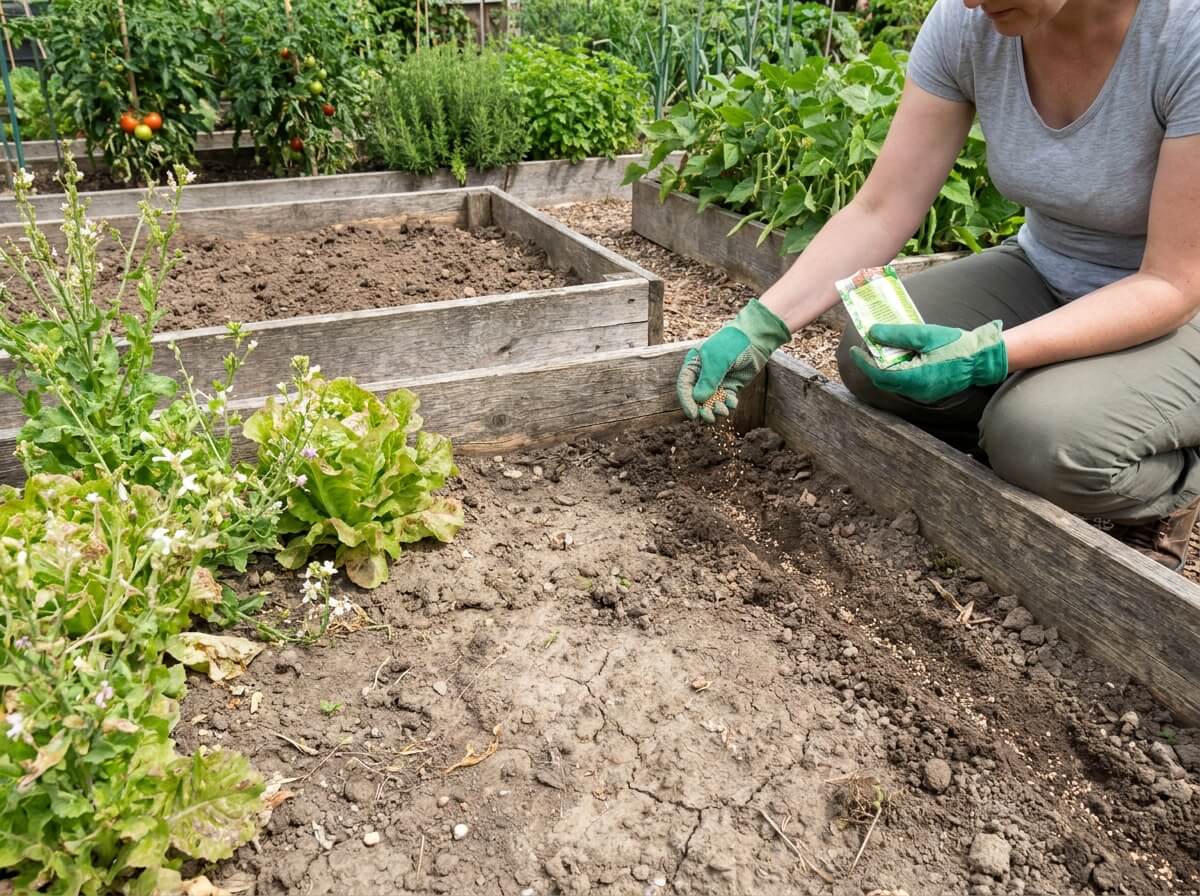
Late summer is seed-sowing season, and I’ve just discovered you can fill an entire garden bed with perennials for the cost of a single established plant. After spending £12 on seed packets in August, I’m looking at 40+ flowering plants for next spring. Here’s the honest breakdown, plus why this slower method has quietly transformed my relationship with gardening.
August marks the ideal window for sowing perennial seeds directly into pots or seed trays across both the UK and US. Many perennials, including coneflowers, rudbeckia, foxgloves and delphiniums, need a period of cool dormancy over autumn and winter to germinate reliably in spring. In late summer, whilst garden centres are still selling summer bedding at full price, the serious gardeners quietly invest in seed packets costing 80p to £1.50 each.
A single established perennial from a garden centre typically costs £4 to £8 depending on variety and size. I spent exactly £12 on eight different seed packets, which has yielded approximately 40 viable seedlings across coneflowers, black-eyed Susans, catmint and salvia. That works out to roughly 30p per established plant by spring, compared to £5 to £8 per plant bought ready-grown. Over a season, the savings compound dramatically when you’re planting in drifts rather than scattered specimens.
The hidden cost, of course, is patience and space. You’ll need windowsills, grow lights or cold frames to house the seedlings through autumn and winter. But for gardeners without these constraints, or willing to improvise with shelving and LED strips (another £15 to £30 investment), the equation becomes genuinely compelling.
The process is straightforward, but timing and technique matter:
By November, your seed trays will sit quietly dormant, requiring minimal attention. There’s something restorative about this reduced pace. Rather than the dopamine hit of an instant garden bed, you’re checking on seedlings weekly, celebrating tiny shoots, and building genuine connection with each plant’s journey from seed to flowering specimen. Come April, when those perennials finally bloom, you’ll know exactly where they came from. That matters more than you’d expect.