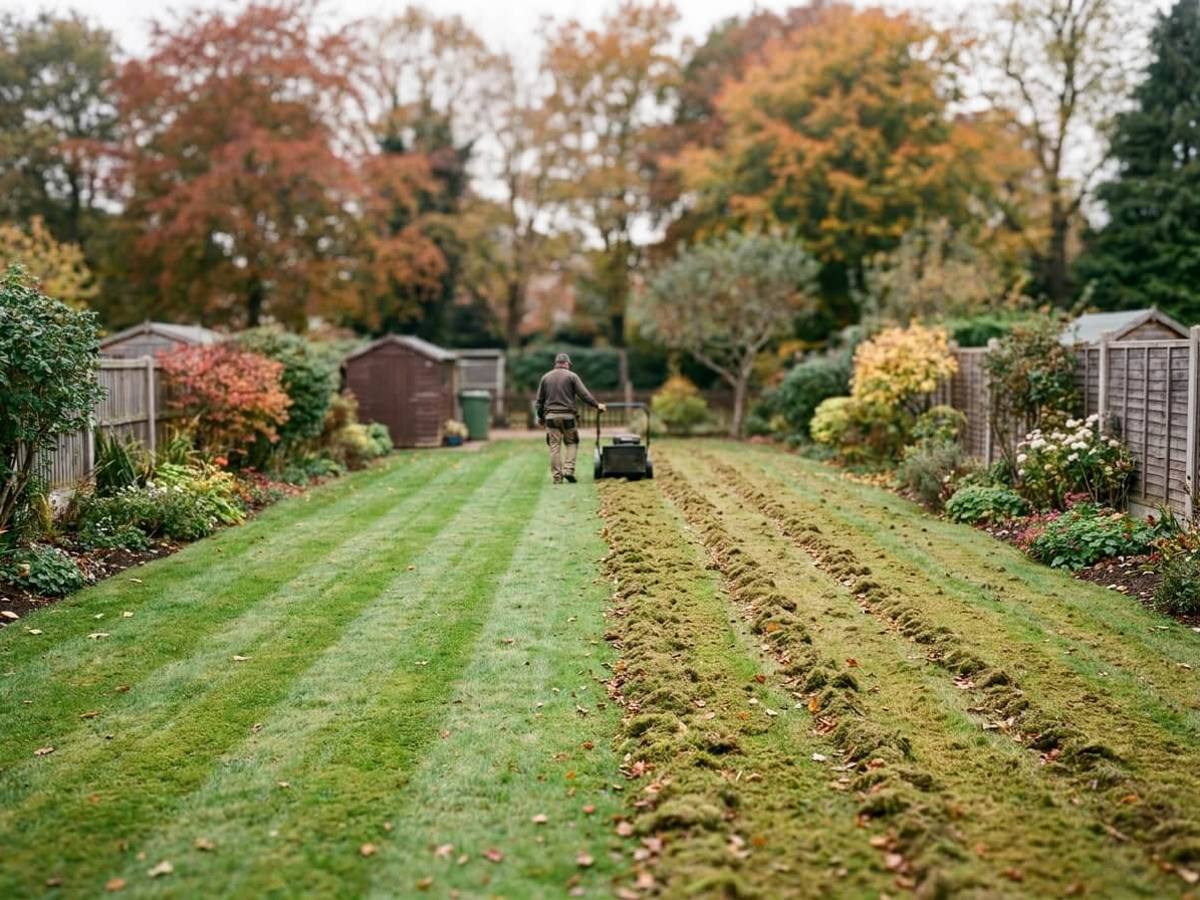
As summer’s growth slows and autumn moisture arrives, groundskeepers and lawn scientists are abandoning the traditional spring scarification window in favour of early autumn treatment. The shift promises faster recovery, superior moss suppression, and a far less demanding spring schedule. If you’re considering a September scarify, here’s what the experts are learning and whether it’s right for your garden.
Across both UK and US lawns, September and early October mark the moment when soil temperatures remain warm enough to support healing, yet moisture levels rise naturally as summer fades. This timing contrast with spring, when gardeners often race against warming temperatures and unpredictable rainfall patterns. Groundskeepers managing sports pitches and golf courses have documented significantly faster turf recovery when scarification occurs before the autumn equinox rather than waiting until March or April.
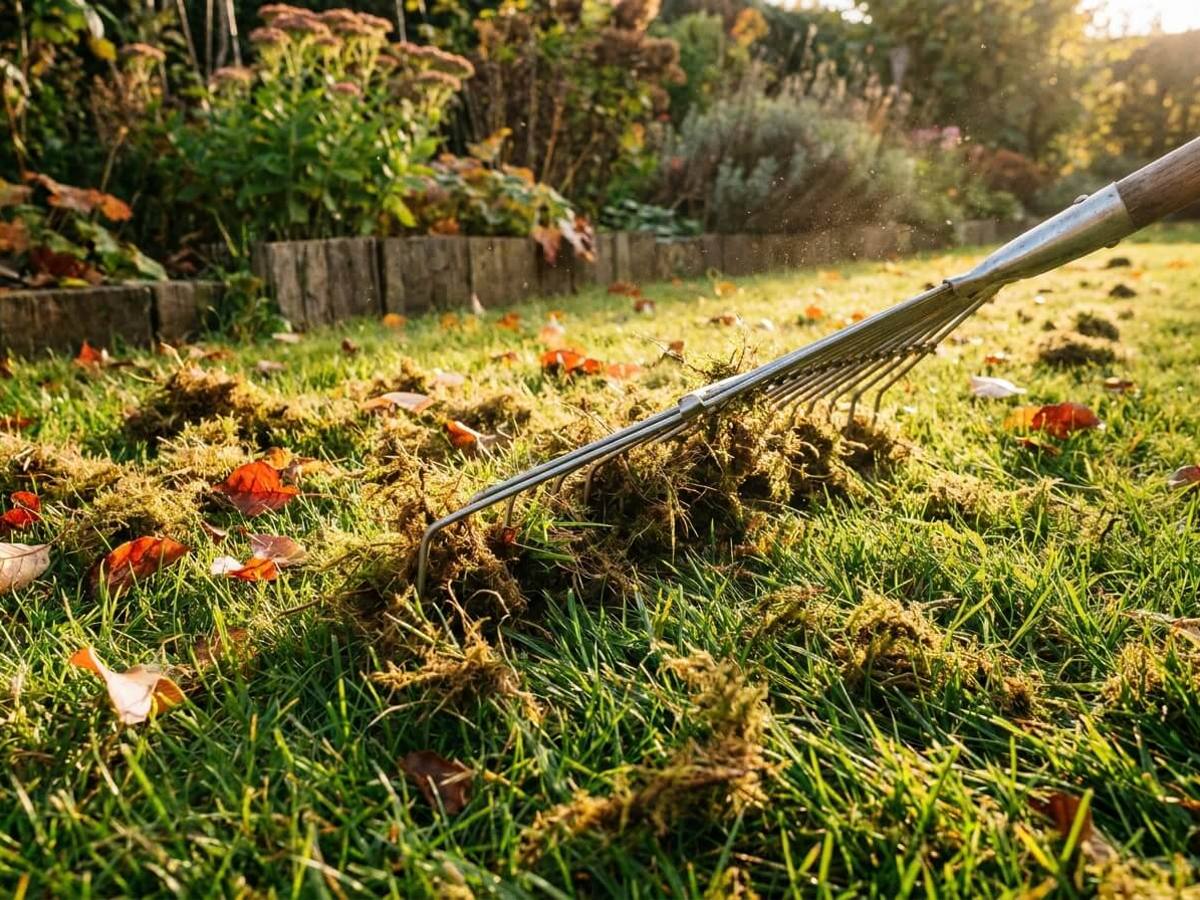
Scarification removes thatch, moss, and dead organic matter that accumulate at the soil surface. When performed in spring, recovering grass competes for resources with emerging weeds and must withstand heat stress within weeks. Autumn scarification reverses this pressure: cool nights and reliable precipitation allow grass to recover deeply before winter dormancy, whilst moss spores struggle to establish in strengthened turf. Research from turf management programmes suggests autumn-scarified lawns show 40 to 60 percent less moss reinfestation by late spring compared to spring-scarified lawns in equivalent conditions.
The labour advantage matters equally for busy households. Spring gardening creates bottlenecks, with scarification competing against sowing, feeding, and routine maintenance. Autumn treatment spreads the workload and leaves spring free for gentler tasks like aeration or top-dressing.
Begin by assessing your lawn’s thatch layer and moisture level, then follow these steps for successful treatment:
Watch your lawn’s colour and density over the next four to six weeks. Healthy recovery appears as fresh green shoots pushing through scarified areas, with visible thickening by late autumn. If patches remain sparse as temperatures fall below 12 degrees Celsius, resist the urge to intervene; dormant turf will often fill gaps naturally in spring. The real success test arrives in late spring, when comparing moss pressure and overall density against previous years.