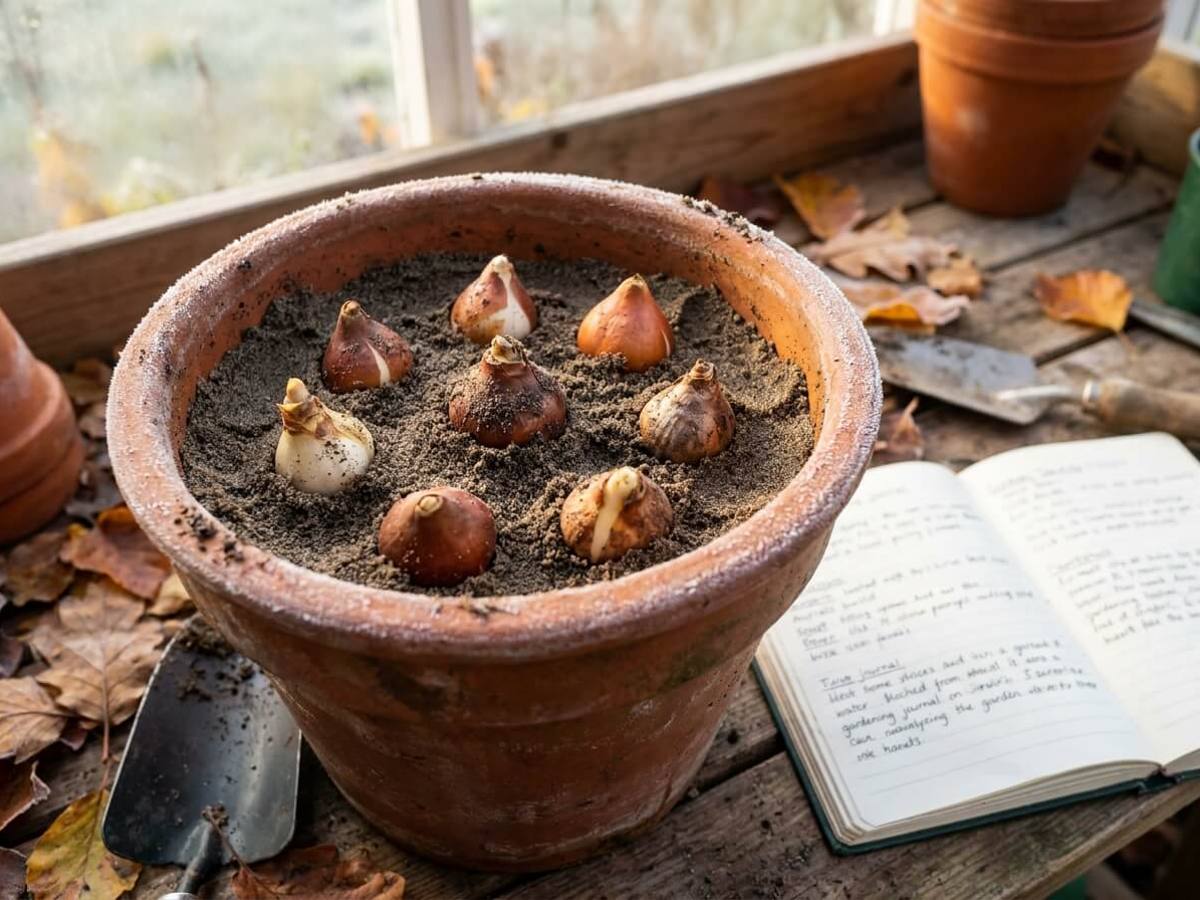
The Autumn Bulb Forcing Revolution: Why Gardeners Are Chilling Bulbs Early
0
September is the magic window for autumn bulb forcing, and a quiet revolution is underway among Northern Hemisphere gardeners who are rejecting the wait-until-spring approach. By chilling bulbs early and deploying accelerated forcing schedules, savvy growers are coaxing winter and early spring blooms indoors when outdoor gardens are still dormant. The technique demands precision but rewards patience with colour when it matters most.
Why September is your forcing season window
As autumn leaves begin their turn and daytime temperatures dip below 15 °C, the moment arrives to think differently about spring bulbs. Most gardeners plant tulips and daffodils in late autumn for spring flowering, but a growing tribe is intercepting the cycle much earlier. Potting up bulbs in early September and initiating the chilling phase now means winter blooms are possible indoors by December and January, whilst outdoor beds still sleep.
The precision game: understanding pre-chilled versus standard bulbs
Standard bulbs sold at garden centres require a long winter rest to flower. Pre-chilled bulbs, by contrast, arrive from suppliers having already received the cold hours they need, dramatically shortening the timeline from pot to bloom. A standard hyacinth might need 16 weeks of chilling before forcing; a pre-chilled version needs only four to six weeks of cool storage followed by gentle warmth indoors. This gap matters enormously to gardeners seeking December colour or early January fragrance.
The catch is sourcing pre-chilled stock and understanding regional availability. UK suppliers often list them explicitly; US sources vary by region and availability tends to peak from August through September. Order early and check whether bulbs have been given their full vernalisation treatment before shipping.
Your September forcing checklist
Begin your forcing journey with these practical steps:
Source pre-chilled bulbs or standard bulbs paired with a reliable refrigerator capable of maintaining steady temperatures between 4 and 9 °C, away from fruit which releases ethylene gas that inhibits flowering.
Pot up bulbs in shallow containers with quality bulb fibre or multi-purpose compost, pressing them firmly shoulder-to-shoulder for dense display, and water thoroughly to settle the medium.
Label every pot with the variety and planting date so you know exactly when the chilling period ends and forcing can begin, typically four to eight weeks depending on your chosen technique.
Store potted bulbs in a cool garage, unheated shed, or spare refrigerator shelf at 5 to 9 °C, maintaining consistent moisture without waterlogging until shoots emerge.
Monitoring progress into early winter
Watch for pale shoots emerging from the compost surface, a sign that root development is underway and the chilling phase is working. Once shoots reach roughly 2 to 3 centimetres, bulbs are ready for gradual transition to warmer conditions indoors, typically beginning in late autumn. Keep a notebook tracking timings and results across varieties, as this data becomes invaluable for refining your technique in years to come and deepens your understanding of how each bulb type responds to forcing.
🌿 Nature & Garden Newsletter
Gardening tips, recipes & seasonal advice, twice a week.
🌿 Nature & Garden Newsletter
Gardening tips, recipes & seasonal advice, twice a week.
🌿
Get our gardening tips, recipes and seasonal advice
Subscribe to Nature & Garden Newsletter — twice a week, no ads.