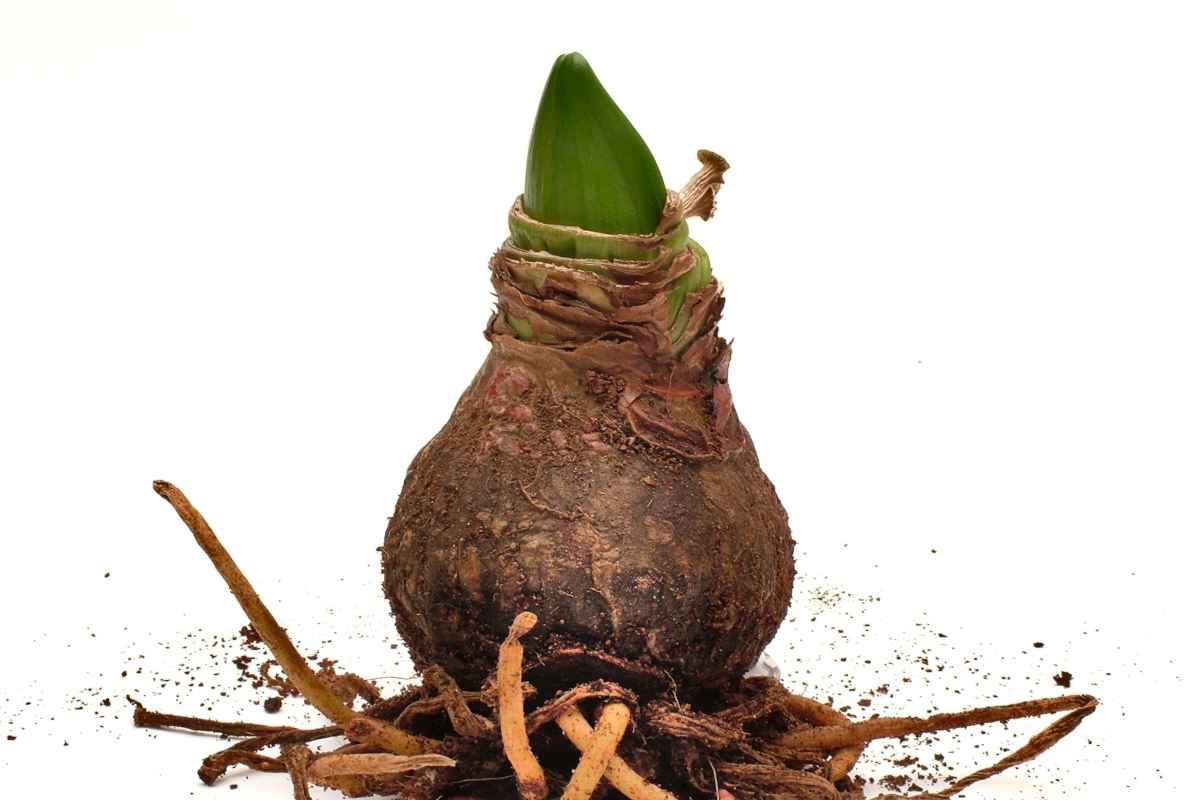
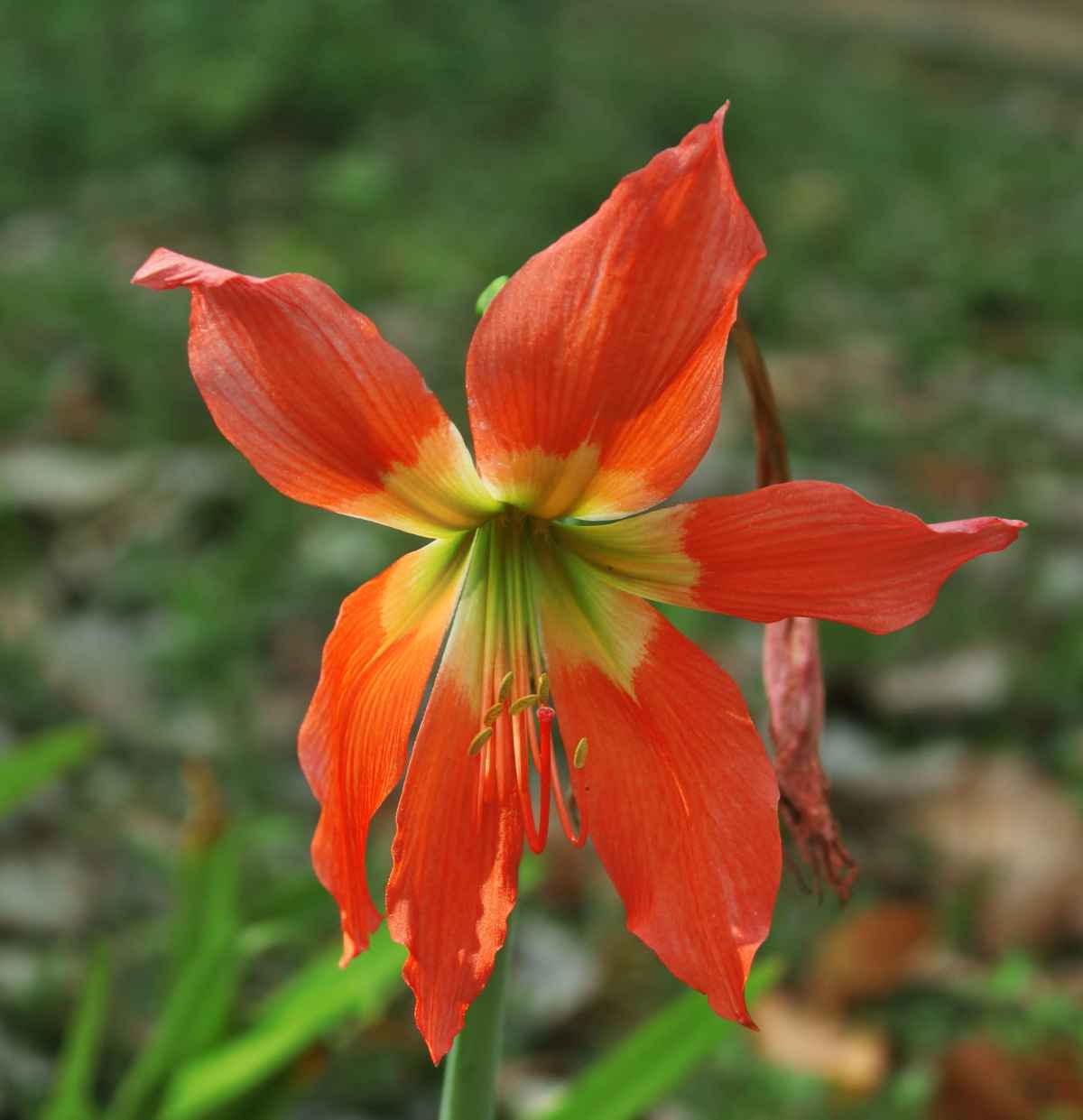
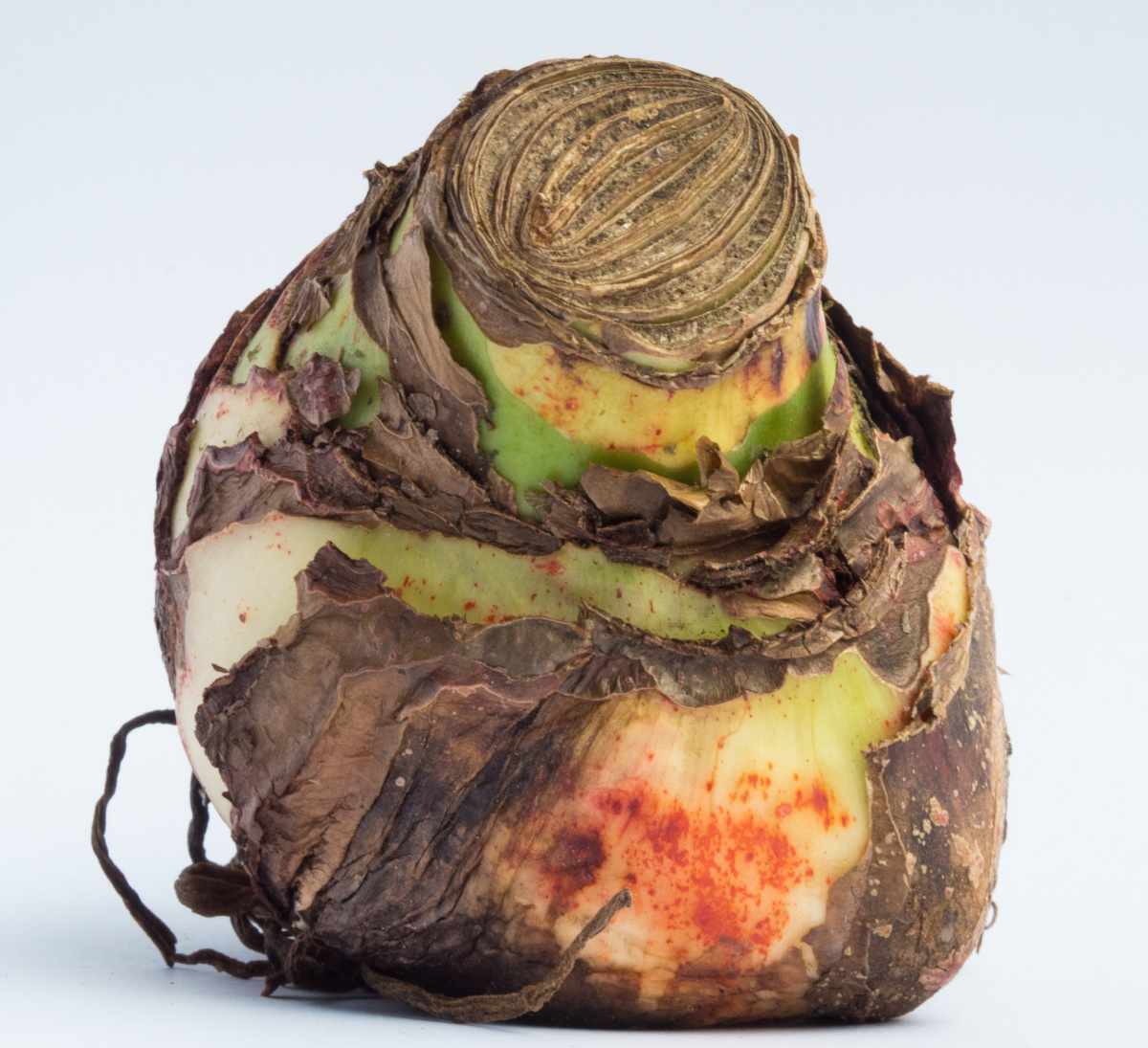
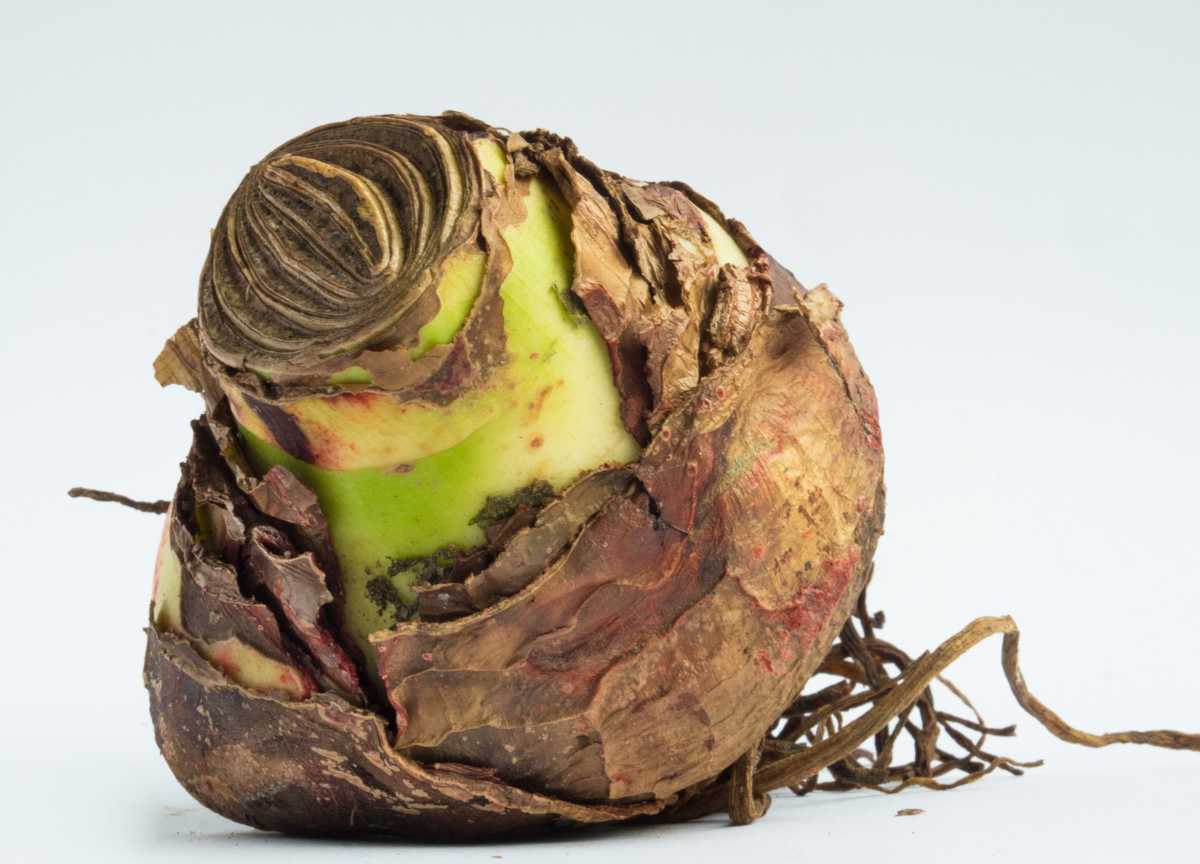
When the last magnificent flower has withered and the leaves begin to yellow, an amaryllis is not spent: it is slipping into dormancy. Rested in its pot, then woken in autumn with fresh soil mix and a fortnightly feed, this indoor bulb blooms again the following winter, year after year, and will grow outdoors where the climate is warm enough.
After flowering, amaryllis can bloom again year after year in your house if a few rules to care for it are followed…
Why are the flowers of my amaryllis plant withering?
Withering flowers mean dormancy is beginning, not failure
Amaryllis is slowly entering its “dormant” phase.
It has worked a lot to produce these magnificent flowers, and it now needs to be cared for until the next blooming season in the following winter.
The amaryllis year at a glance
From the last withered flower to the next burst of bloom, an amaryllis passes through four clear stages, each with its own watering and feeding regime. Find where your bulb is now, then follow the row across.
The amaryllis year at a glance
Stage
When
Watering
Feeding
Last flowers fading, leaves still green
Late spring, end of the blooming season
Keep watering regularly, but begin reducing the frequency
Liquid fertiliser at twice the dilution stated on the packaging, every two weeks
Leaves turning yellow
Late spring to early summer
Reduce further, then stop completely two weeks later
Reduce, then stop completely two weeks later
Dormant rest
Late spring onwards, until the bulb is woken
None, so the last leaves can dry off completely
None
Wake-up and regrowth
Mid-autumn to early spring
Regularly again, at least once a week and whenever the soil is dry
Fertiliser twice a month
Follow the stages in order and the bulb will start growing again of its own accord.
How to get amaryllis to flower again
In spring, at the end of the blooming season
Watering and feeding stop as the leaves yellow
Keep watering regularly but start reducing watering frequency while still adding strongly diluted doses of liquid fertilizer (about twice as diluted as the prescribed dose written on the packaging) every two weeks.
When the leaves start turning yellow, further reduce watering and fertilizer intake, and stop completely two weeks later.
When the last flower has withered, cut the stem about 1 inch (3 cm) above the bulb.
Place the pot in a spot sheltered from direct sunlight so that its last leaves can dry off completely.
In fall, to make it bloom again
Top up with fresh soil mix without harming roots
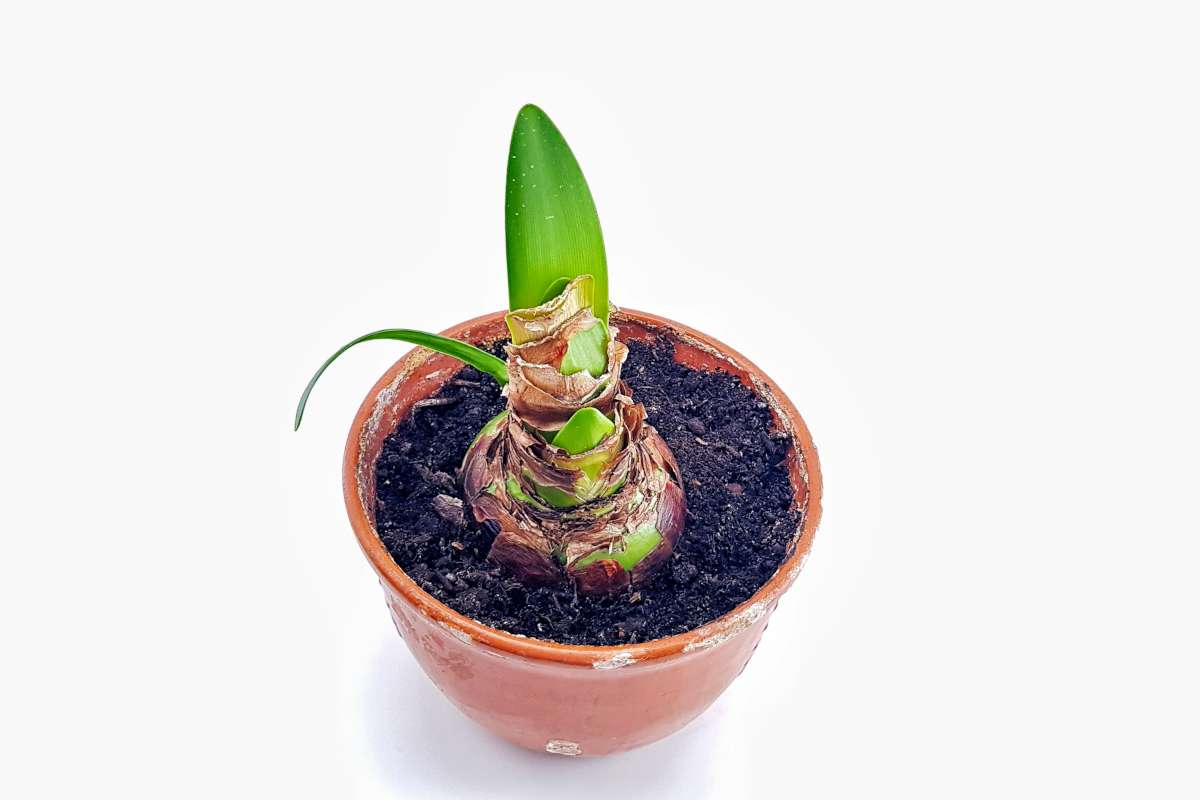
BetweenOctober and March, place it in its usual spot so that it may wake up from its dormant state.
Remove as much of the old surface soil mix as is possible without damaging the roots, and replace it with fresh soil mix.
Start watering regularly again, at least once a week and every time the soil is dry, and add fertilizer twice a month.
It will start growing again normally, and will again bless you with new and dazzling flowers a few weeks later!
Growth resumes and flowers return a few weeks later
Written by Gaspard Lorthiois | Loves helping out, especially when it comes to growing things. Worked in herbal medicine, runs a farm, and dabbles in tech. Master's degree and engineer.