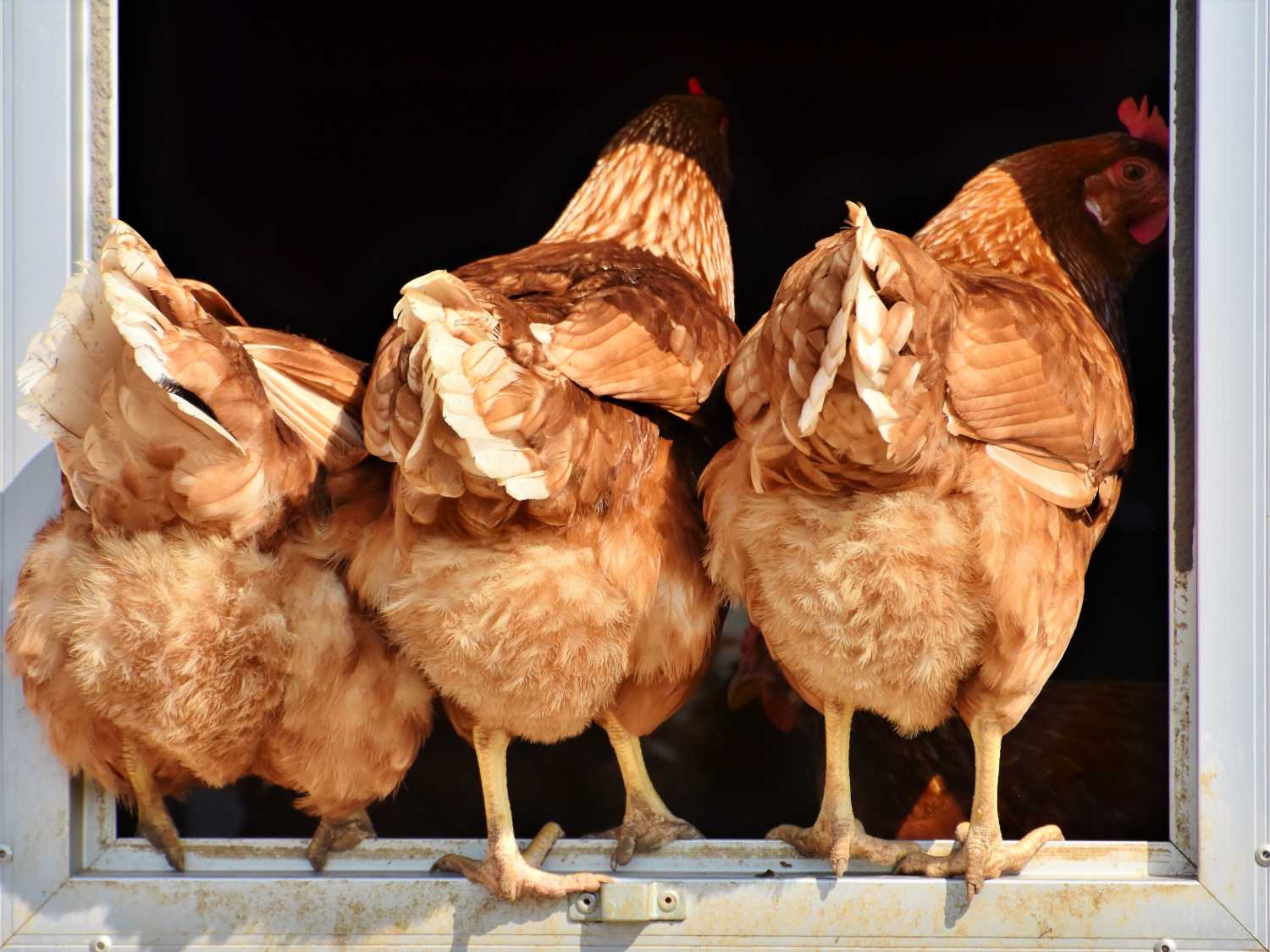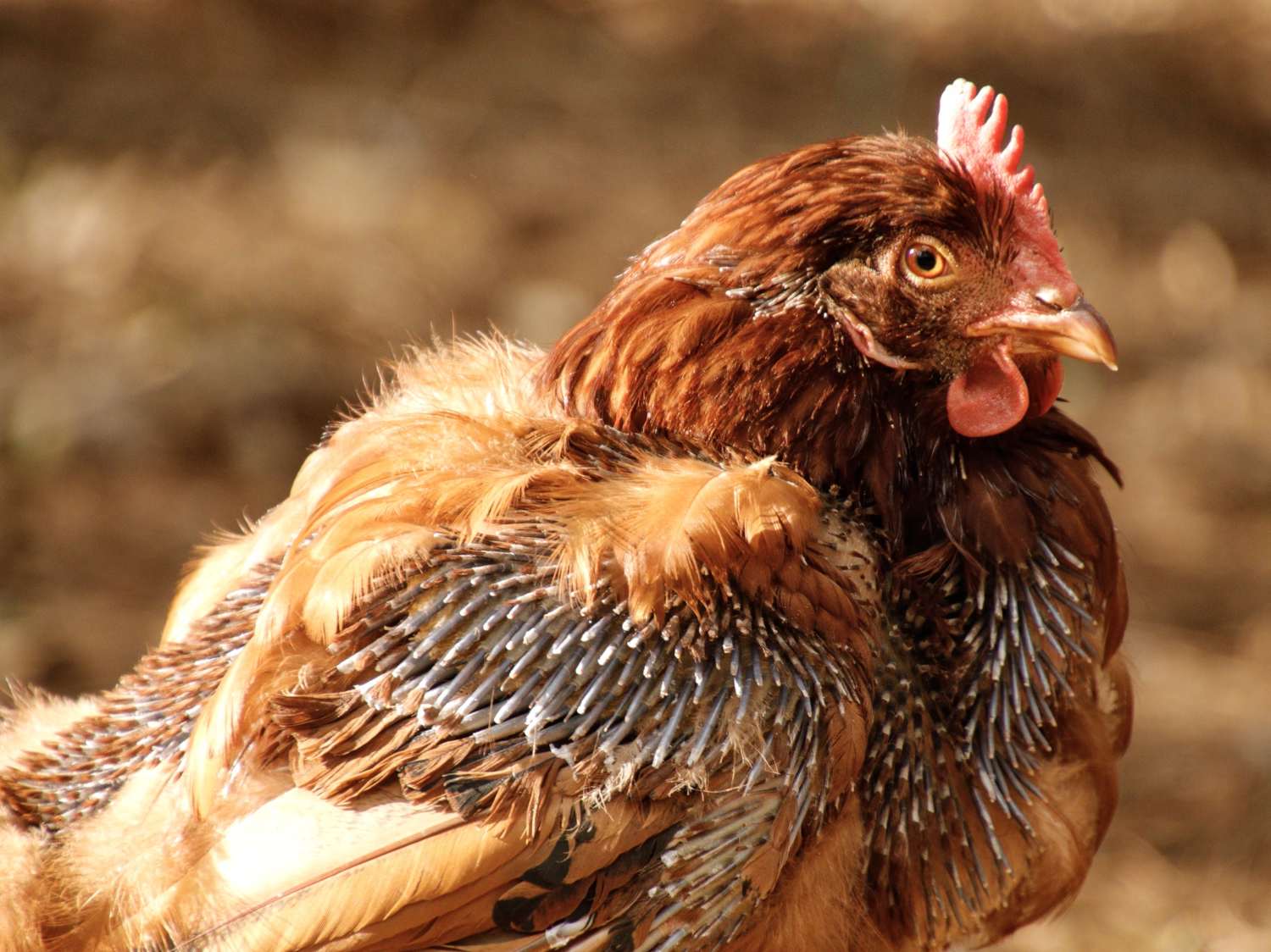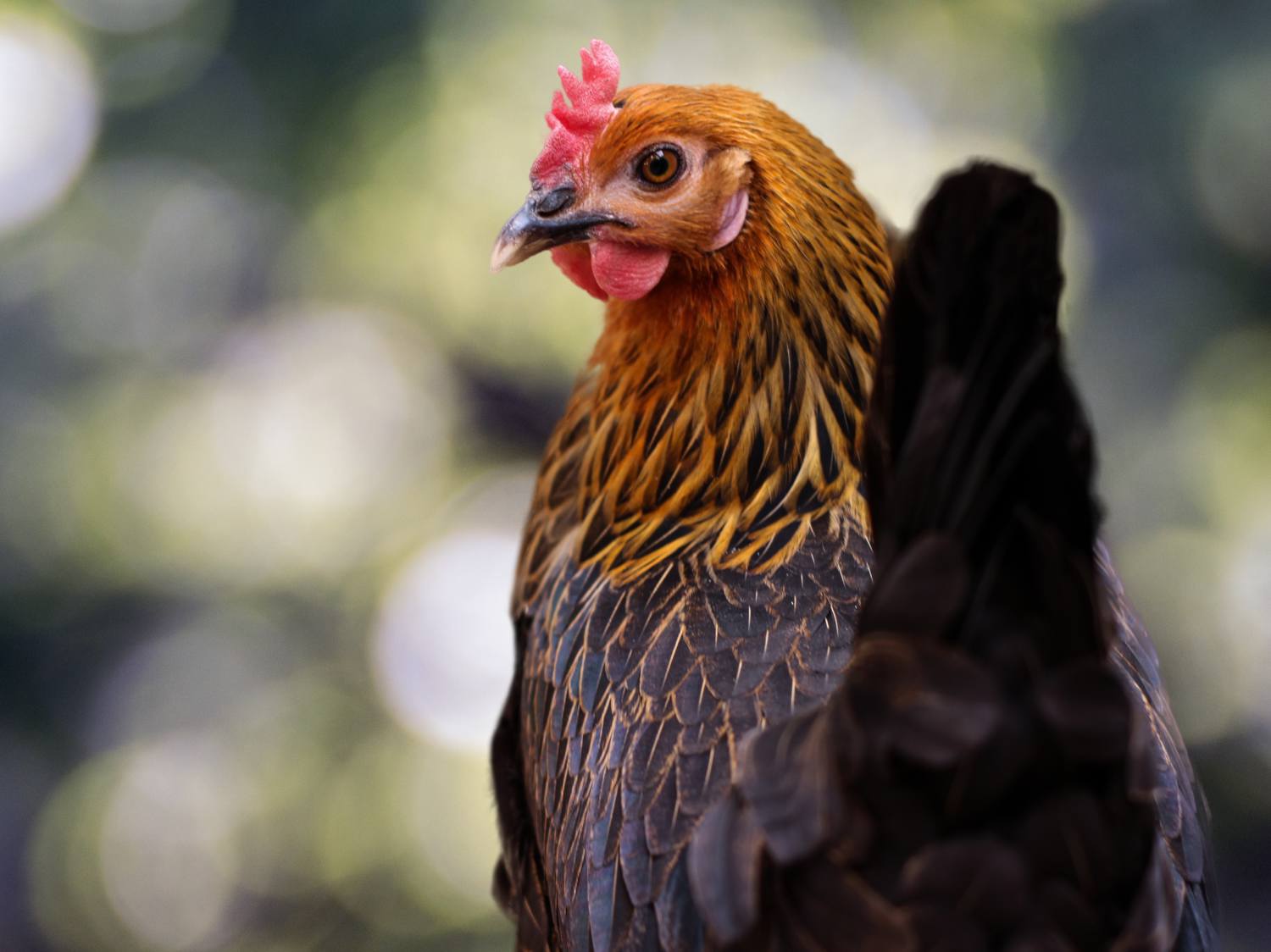
Hens scratching their way across the grass, digging shallow potholes to wallow in dust, turning vegetable peelings into tomorrow’s breakfast: keeping a few chickens asks no expertise at all. What it does ask is a dry shelter out of the draughts that shuts tight against predators, and about a square metre for every two birds.
No need to have a degree as an animal doctor or be a poultry expert to get started!
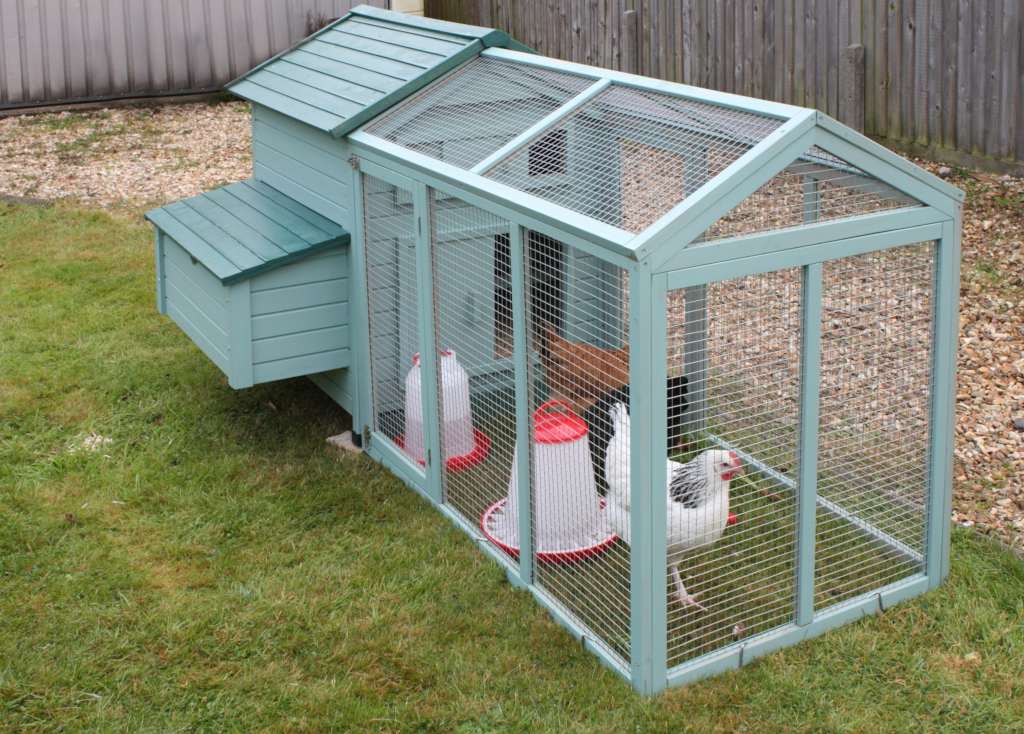
First of all, it’s important to check if you’re authorized to raise chickens in your neighborhood. Once you’ve checked that, you can start setting your chicken coop up.
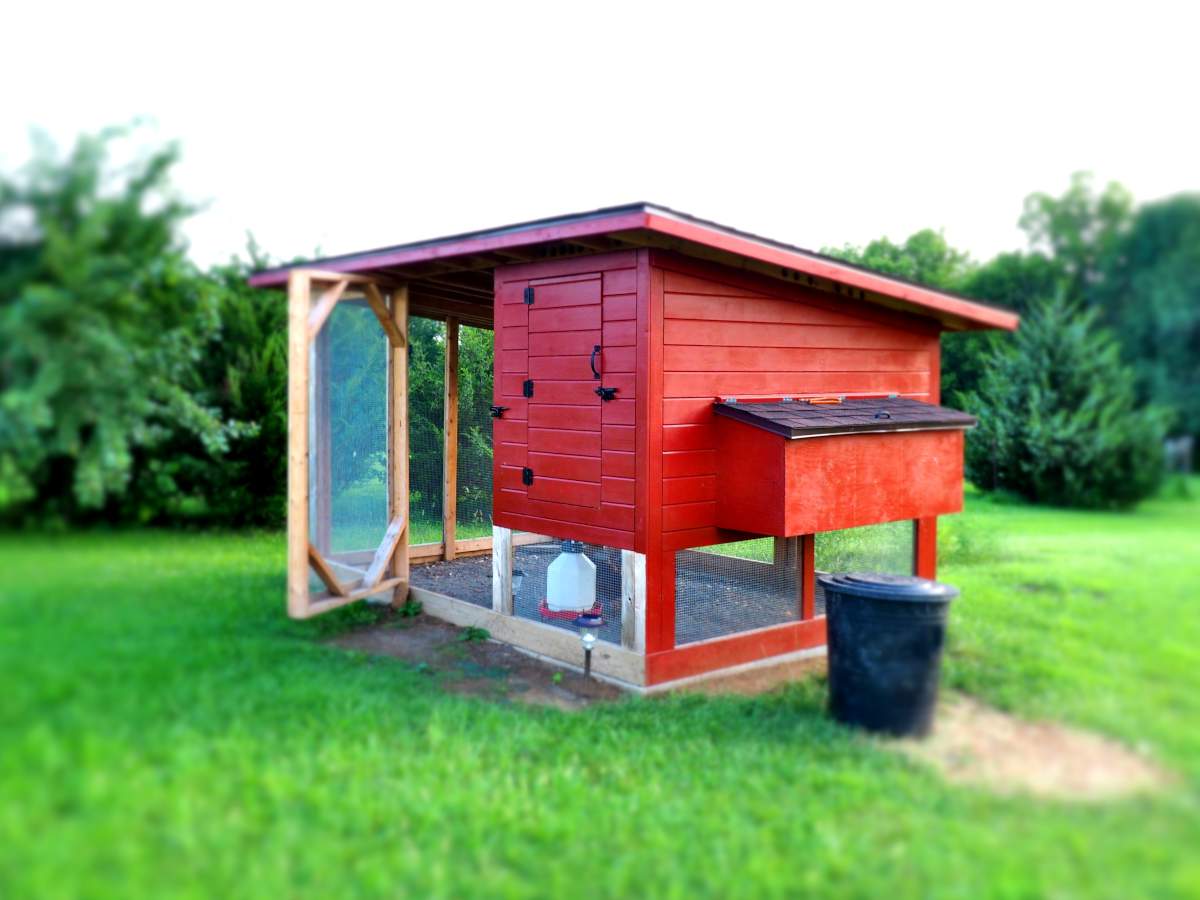
If you’ve already got a garden shed or lean-in, you can use that to house your chickens. What’s important is that your guests will have a dry place that isn’t scoured by drafts of wind to call their own. Include a few roosting rods and nesting boxes with enough space, about one square yard or meter for two chickens.
→ Remember to clean it regularly. Feathers make great fertilizer, so recycle those, too!
You can also use materials that will block off the worst of the weather: hollow blocks or wood. If your area is prone to heatwaves, place the coop in a shaded spot. Design the coop so that disinfecting the floor is easy. Cement is an ideal solution, covered with a thick layer of sawdust or straw to counter the cold. Check that the chicken coop closes well to keep possible predators away.
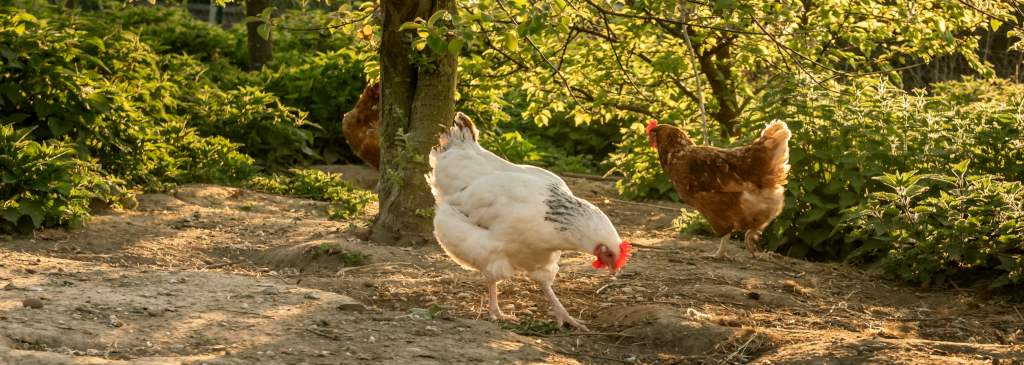
All right! The hotel is all set up, time to choose your chickens now! Some breeds are famous whereas local ones must be sought after. Best is to check with a breeder in the vicinity who can give you good tips on which breeds are best for laying eggs. If you only want eggs out of your hens, you won’t need any rooster.
→ Chicken guano, excellent for plants
Before you buy a single bird, decide how the housing will be put together. The article’s advice boils down to a handful of choices, each solving a different problem.
| Coop choice | What it does for the hens | What to get right |
|---|---|---|
| Existing garden shed or lean-in | Instant housing, nothing to build | Must be dry and out of the wind |
| Purpose-built in hollow blocks or wood | Blocks off the worst of the weather | Solid enough to shelter them year round |
| Cement floor | Easy disinfecting, warmth underfoot | A thick layer of sawdust or straw on top |
| Shaded siting | Relief where heatwaves strike | Still keep the floor easy to disinfect |
| Roosting rods and nesting boxes | Somewhere to perch and somewhere to lay | About one square yard or metre for two chickens |
| A coop that closes well | Keeps possible predators away | Clean it out regularly |
With the housing settled, the only questions left are which birds to keep and how to feed them.
Chickens need space. Ideally, they’ll be set free most of the time for them to free-range. They’ll scratch their way around on their quest for food. They’ll dig up potholes in some parts of the garden to wallow in dust: this helps them get rid of parasites.
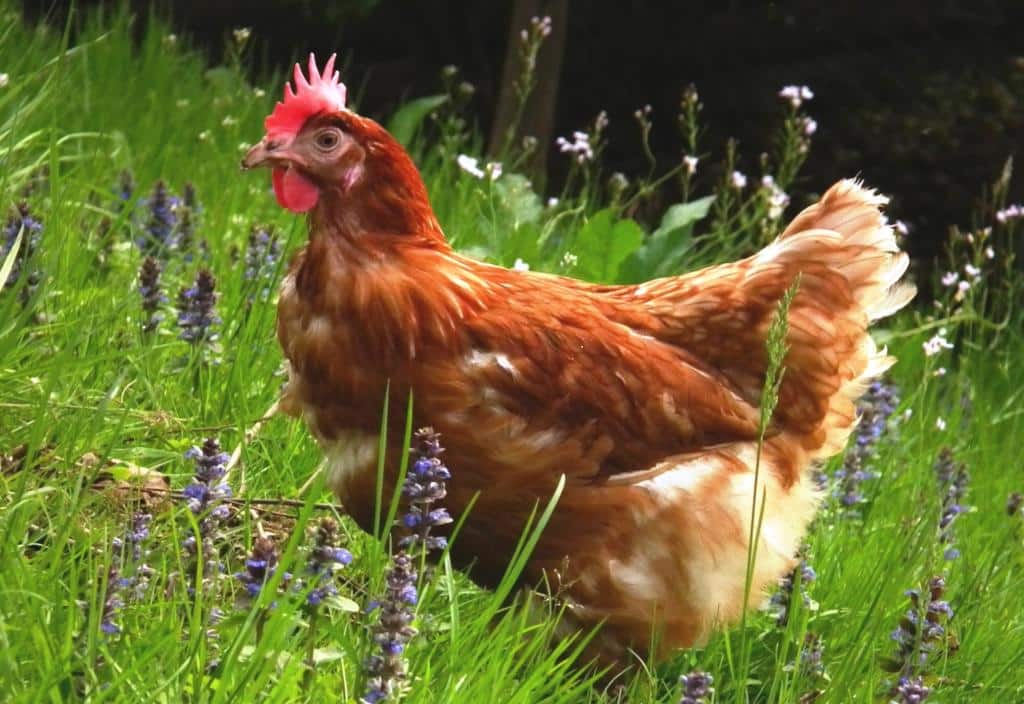
If letting them run free isn’t an option, set aside a large swath of garden with a fence for them to run around. Having a lot of space means your chickens will find a lot of insects, worms and plants and you’ll need less feed as a supplement. If your chickens are confined to smaller spaces, you’ll have to provide a balanced diet. Give them your leftovers, old bread, vegetable peelings and bits of lettuce and meat. A family’s worth of leftovers and peels is good for two or three chickens. It’s important that they always have access to clean water. From time to time, throw in a few crushed seashells or seafood shells, it’s a great source of calcium for the eggshells.
Lisbeth Jolly