Home » Gardening » News » No, autumn leaves don’t enrich your soil — here’s what they actually do
No, autumn leaves don’t enrich your soil — here’s what they actually do
0
As leaves begin their annual fall across gardens in the UK and US, many gardeners automatically rake them up, convinced they’re either rubbish or golden soil improvers. The truth is far more nuanced. Leaf benefit depends entirely on species, how you use them, and what your soil already contains. Sometimes the best thing you can do is leave them where they fall.
Why September leaf-fall matters to your garden’s health
Early to mid-autumn brings the first significant leaf drop across temperate gardens. What happens to those leaves over the coming weeks will shape your soil biology, pest populations, and spring seedbed through to next growing season. Many gardeners inherited the habit of raking everything bare, assuming a tidy garden is a healthy one.
The myth of universal leaf enrichment
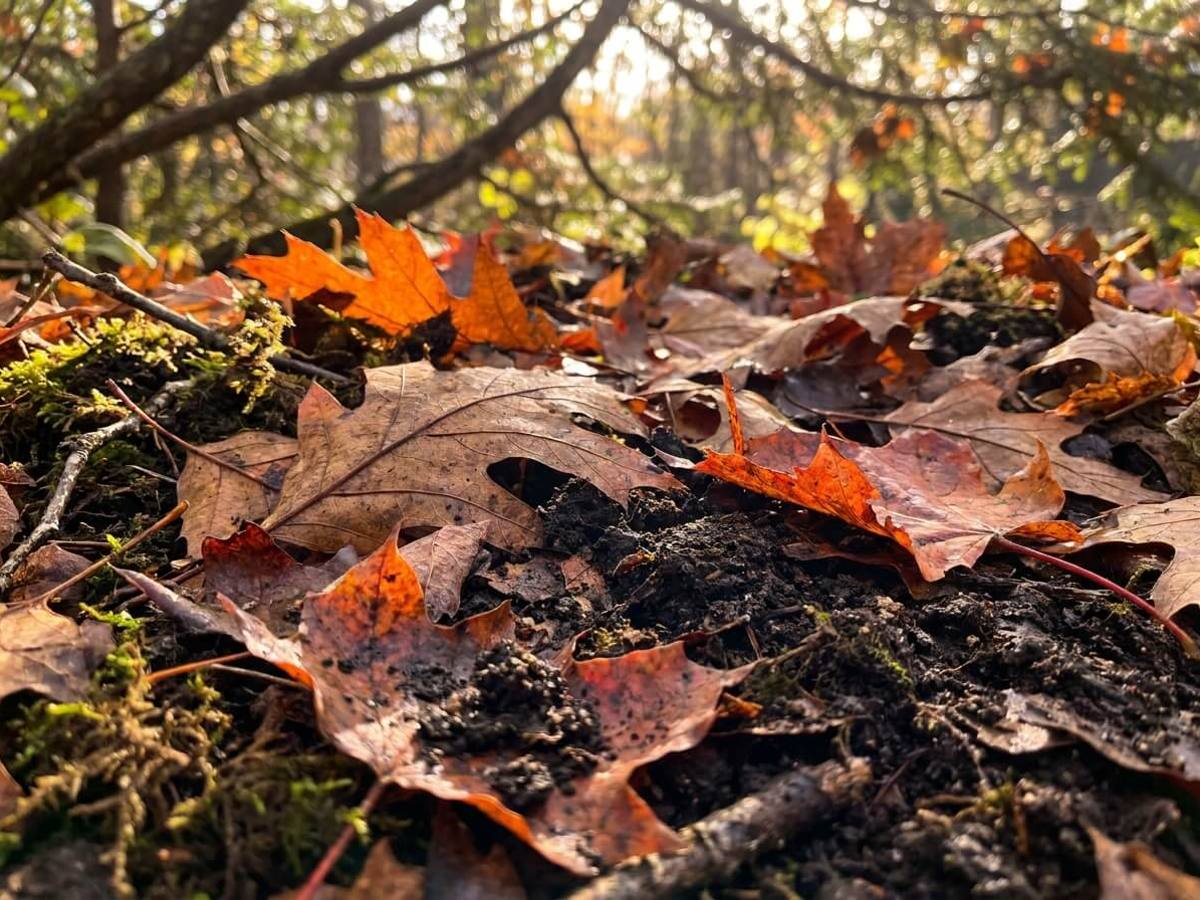
Oak, beech, and sweet chestnut leaves break down slowly and contain high tannin levels that can suppress microbial activity in your soil. Conversely, ash, elm, and maple leaves decompose faster and contribute more accessible nutrients. Simply piling all leaves together and assuming they’ll transform into black gold misses this crucial distinction.
Worse still, a thick leaf blanket smothering garden beds can harbour slugs, voles, and fungal diseases through winter. On lawns, a dense leaf layer blocks light and air, weakening grass heading into dormancy. Context matters absolutely. A light scatter enriches; a dense mat damages.
What to do with autumn leaves in September
Your approach should depend on leaf type, garden structure, and soil composition:
Leave deciduous leaves under shrubs and hedgerows where they naturally fall, creating habitat for overwintering insects and gradual soil amendment.
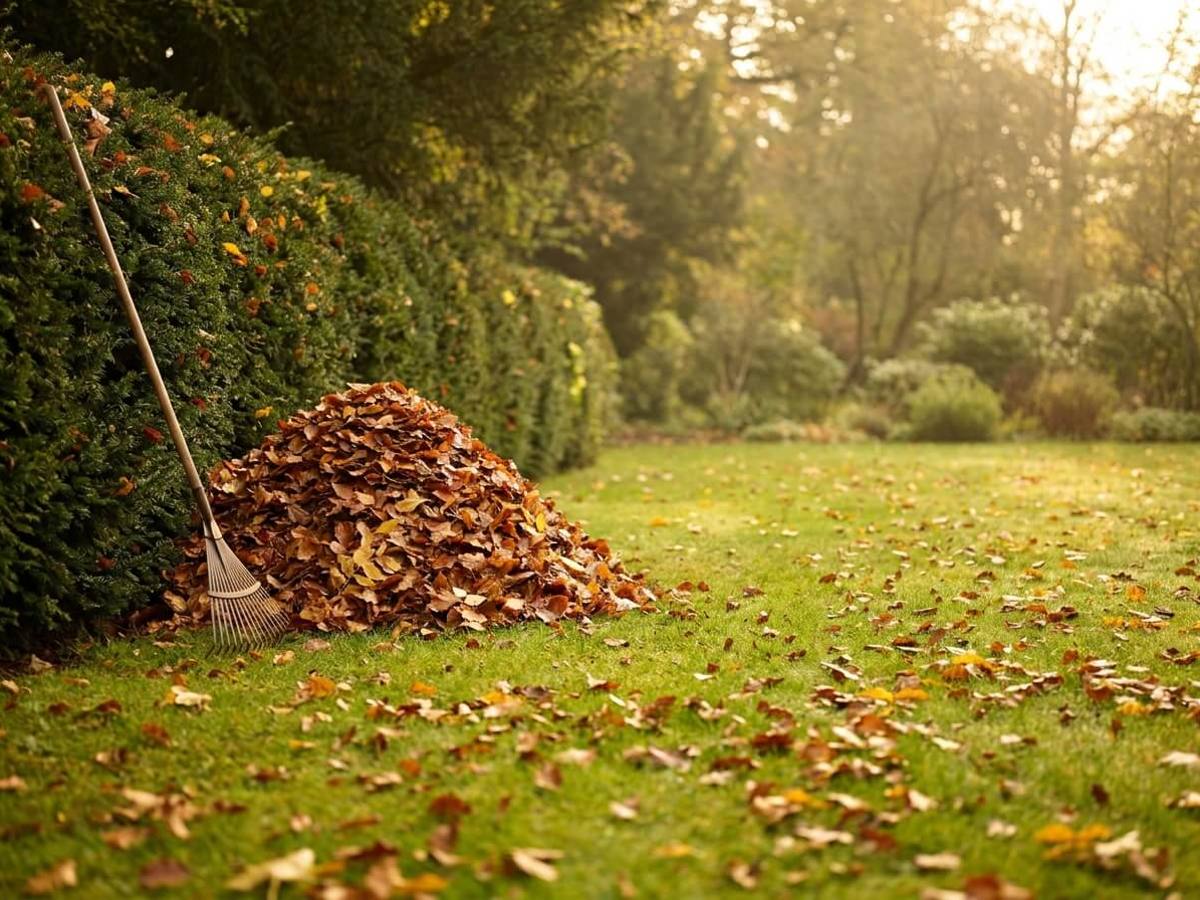
Gather fast-decomposing species like ash and birch into a separate heap to create leaf mould within twelve months, perfect for potting compost and mulch.
Thin leaf coverage on lawns to a light scatter, removing excess with a mower set to mulch mode to chop leaves finely and allow grass access to light.
Reserve slow-rotting oak and beech leaves for pathways or compost heaps where they can break down slowly without competing for nitrogen in beds.
Monitoring through autumn and into winter
Watch how leaves settle over coming weeks. Where they remain thin and dappled, beneficial insects will thrive and soil organisms will work steadily. In areas where leaves accumulate thickly, monitor for slug populations and soft rot on crowns of perennials, thinning coverage if needed. By late winter, assess what’s decomposed and what remains intact, noting which species broke down fastest in your garden’s specific conditions. That observation becomes your blueprint for next season.
🌿 Nature & Garden Newsletter
Gardening tips, recipes & seasonal advice, twice a week.
🌿 Nature & Garden Newsletter
Gardening tips, recipes & seasonal advice, twice a week.