Home » Gardening » News » I built a wildlife compost bin in six weeks — surprising visitors included
I built a wildlife compost bin in six weeks — surprising visitors included
0
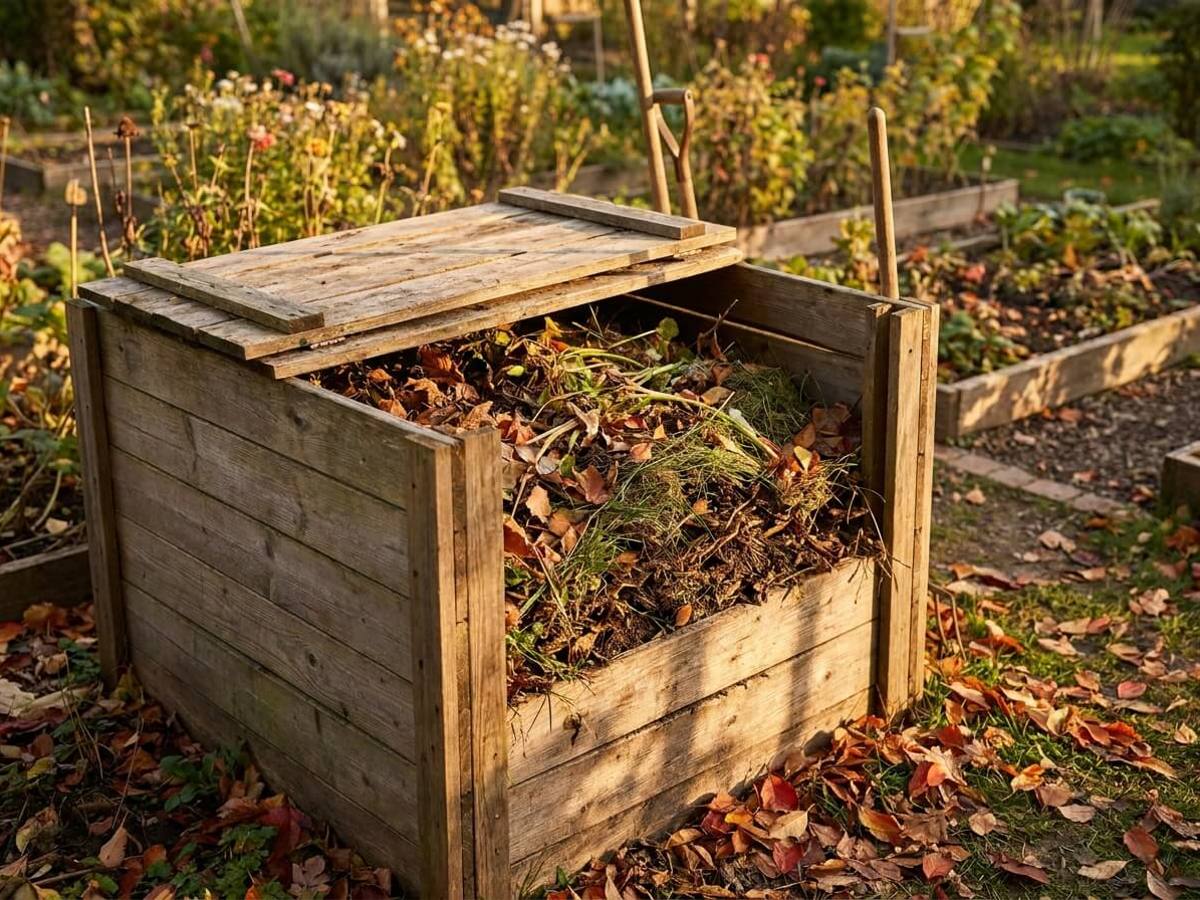
I built a wildlife compost bin in September and expected months of inactivity. Six weeks later, my logs reveal a thriving ecosystem of unexpected visitors. Newts, beetles, and harvestmen arrived far sooner than conventional wisdom suggests. If you’re starting a compost system this autumn, these findings could transform what you build and why.
Why autumn compost timing matters more than you think
Across the UK and North America, October marks a turning point in garden ecology. Leaves fall, insects seek shelter, and small mammals begin their winter preparations. Most gardeners delay compost systems until spring, assuming autumn is too cold for decomposition to gain momentum.
What autumn compost actually attracts
A well-designed compost bin becomes a microhabitat almost instantly. Invertebrates colonise new systems far faster than gardeners expect, particularly when bins are sited near established borders or leaf litter. During my first month, I recorded slow worms, ground beetles, and woodlice. By week six, I’d documented newts sheltering in the damper lower layers, drawn by the moisture and the invertebrate populations already feeding there.
The surprise wasn’t the volume of activity, but its speed and diversity. Autumn compost bins function as temporary refuges during a critical ecological window, before soil temperatures drop significantly. This matters because these creatures accelerate decomposition through feeding and fragmentation, even as temperatures fall. A compost bin isn’t merely waste disposal. It’s become an extension of your garden’s food web.
How to build a wildlife-friendly compost bin this October
Whether you’re starting fresh or optimising an existing system, these steps attract active colonisers immediately.
Create airflow gaps in the base with wooden slats or mesh, allowing ground-dwelling creatures to enter whilst preventing waterlogging that deters early colonisers.
Layer woody material at the bottom, such as shredded twigs or cardboard, offering shelter gaps and accelerating decomposition through natural fracturing.
Site the bin adjacent to borders or hedges, never in isolation, so insects and small vertebrates access it naturally during their autumn migrations.
Keep the top loosely covered with straw or hessian rather than sealed lids, allowing burrowing insects to shelter whilst preventing excessive rainwater saturation.
What to monitor as temperatures drop
Watch your bin carefully as autumn progresses. The decomposition rate will fluctuate dramatically between mild spells and cold snaps, but microbial and invertebrate activity rarely stops completely unless temperatures fall below freezing for sustained periods. Expect to see reduced activity rather than complete dormancy. Regularly inspect the lower sections without disturbing the whole bin, and you’ll notice how creature populations shift as the season changes, offering a tangible connection to your garden’s hidden winter ecology.
🌿 Nature & Garden Newsletter
Gardening tips, recipes & seasonal advice, twice a week.
🌿 Nature & Garden Newsletter
Gardening tips, recipes & seasonal advice, twice a week.
🌿
Get our gardening tips, recipes and seasonal advice
Subscribe to Nature & Garden Newsletter — twice a week, no ads.