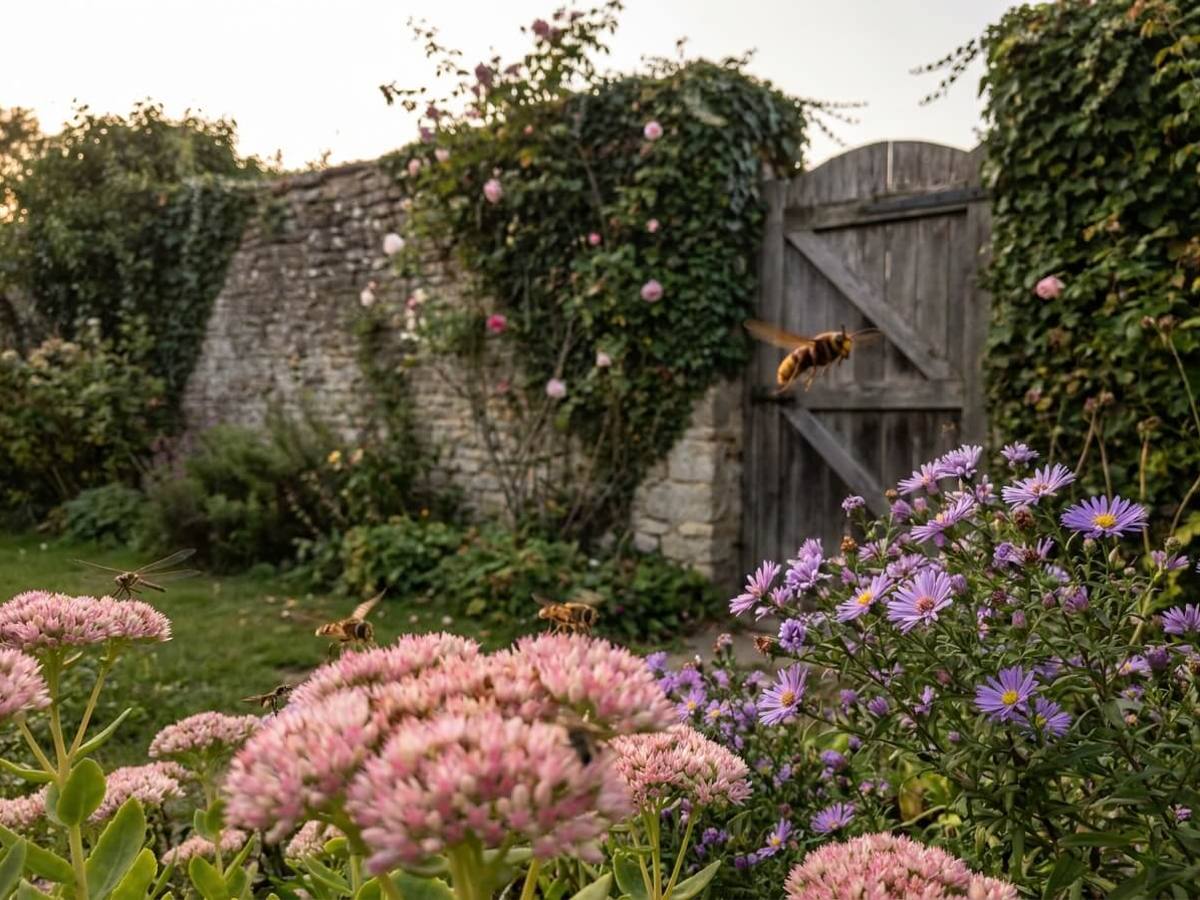
As October deepens and wasp colonies collapse, UK and US gardeners are witnessing a hidden ecological reshuffling. The predatory insects that move in to fill the void are often overlooked, yet they shape autumn pest dynamics in ways that challenge conventional garden management. Understanding this shift could change how you protect your plants – and your fruit – this season.
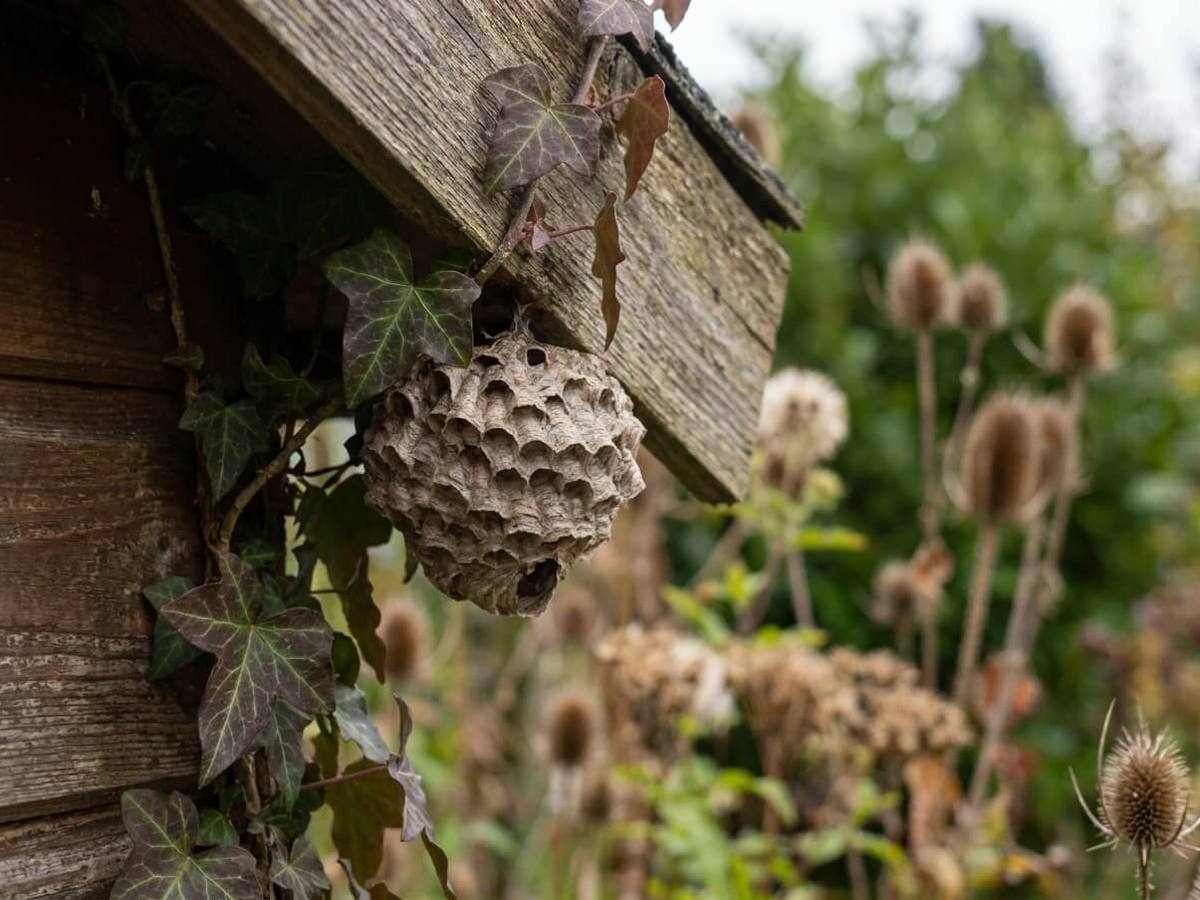
By October, the wasp colonies that plagued your garden throughout summer are entering their final weeks. Queens stop laying eggs, workers cease their frantic foraging, and the nest’s social fabric unravels as temperatures drop below 12 °C at night. What gardeners perceive as a sudden vanishing act is actually a biological deadline, hard-wired into temperate wasp biology.
This collapse leaves a predatory vacuum in the garden ecosystem. For months, wasps have hunted aphids, caterpillars, and other soft-bodied pests whilst simultaneously targeting your jam sandwiches and late-summer fruit. Their departure is relief and ecological rupture in equal measure.
Nature abhors a vacuum, and so does the garden food web. As wasps die back, several predatory insects expand their activity to exploit the abundance of autumn pests. Ladybirds, hoverflies, lacewings, and parasitic wasps – a different species entirely from social wasps – become the dominant hunters. Spiders, already numerous, intensify their foraging as webs catch the season’s cooling-triggered insect migrations.
The shift is more than anecdotal. Gardens monitored by the UK’s National Biodiversity Network show measurable spikes in ground beetle populations and lacewing egg-laying during October, correlating directly with social wasp colony collapse. This succession reveals an overlooked truth: your garden’s pest control network is more resilient and nuanced than most gardeners realise.
The practical consequence is significant. Whilst social wasps are indiscriminate hunters, these autumn replacements are often more efficient specialists. Parasitic wasps, for example, target specific pest species with precision that broad-spectrum pesticides cannot match. A garden that welcomes this shift stands to benefit.
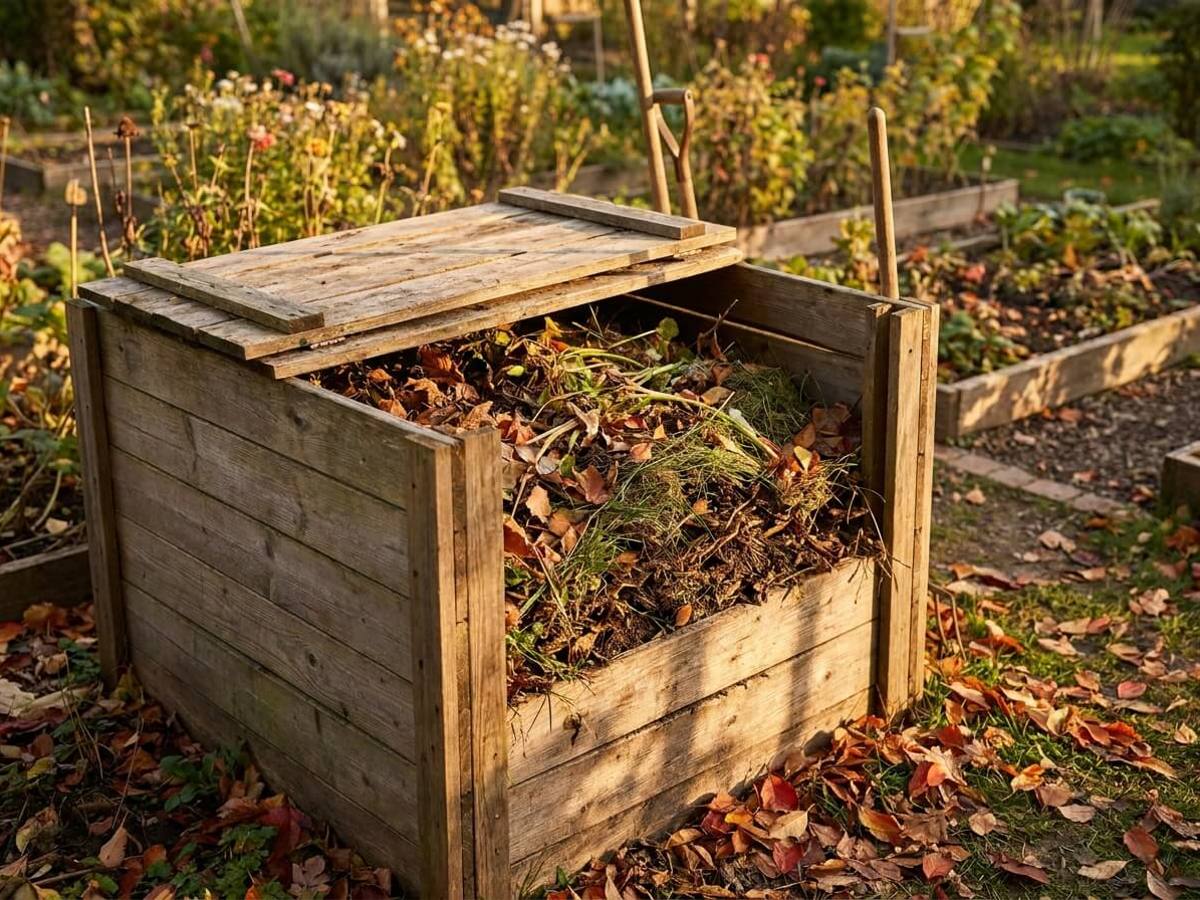
October offers a crucial window to strengthen the predator populations moving in as wasps exit.
As autumn deepens, observe which predators dominate your borders. Spiders’ webs become architectural features of October gardens, whilst lacewing larvae appear as voracious aphid-hunters on any remaining pests. This ecological hand-off – from summer’s social wasps to autumn’s specialist predators – represents the garden’s seasonal wisdom at work. By understanding and supporting it, you’re not simply managing pests; you’re partnering with nature’s own rhythm.