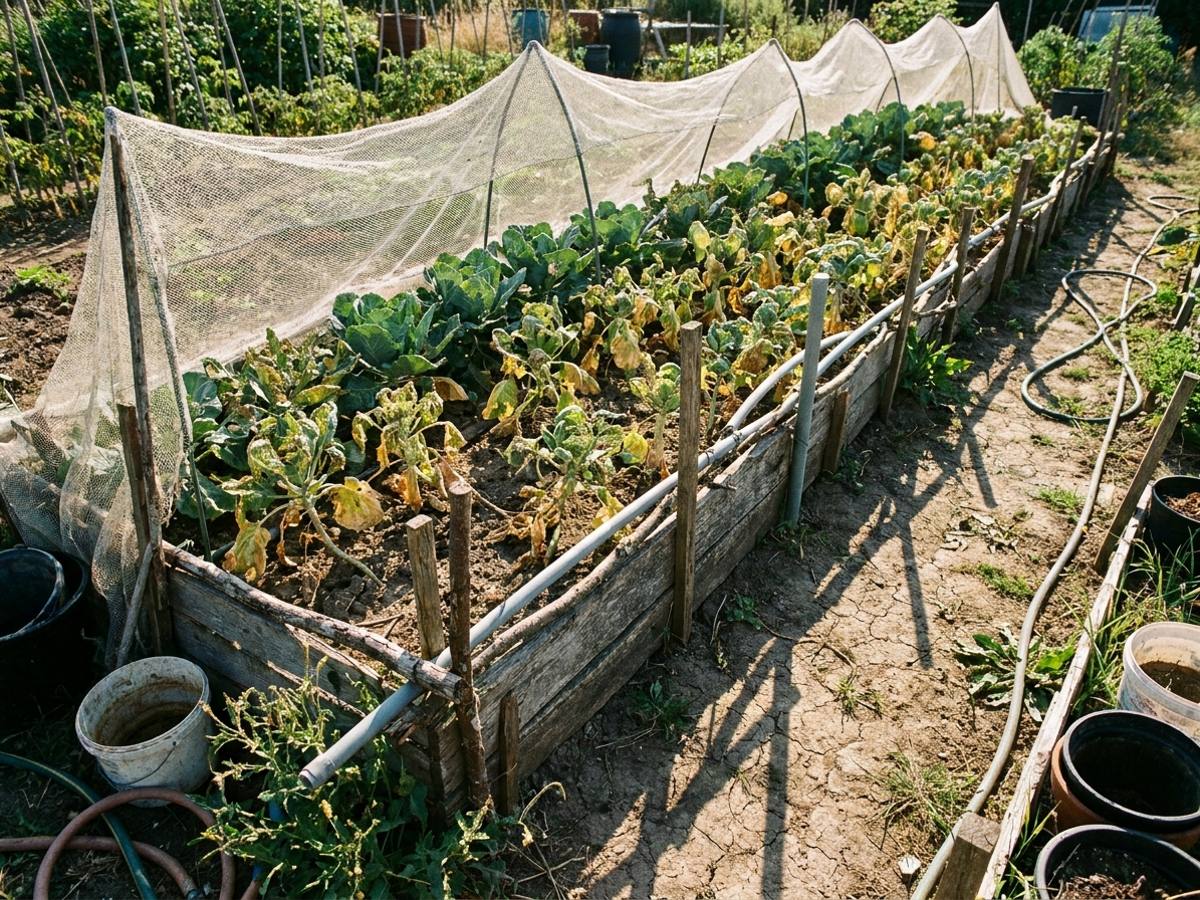
Your brassica beds are collapsing, but it’s not the cabbage whites you’ve been fighting for years. This late summer, diamondback and garden pebble moths are decimating crops across the UK and US at record levels, and standard butterfly netting is proving useless. A shift to specialist fine-mesh textiles is now essential if you want to save your autumn harvest.
At the height of summer, second and third generations of diamondback moths are hatching in unprecedented numbers. Gardeners from Cornwall to California are reporting hollowed-out cabbage hearts, skeletonised kale leaves, and broccoli heads so pocked with larval damage they’re barely worth harvesting. Late summer is when these cryptic pests reach their population peak before autumn frosts begin to slow them down.
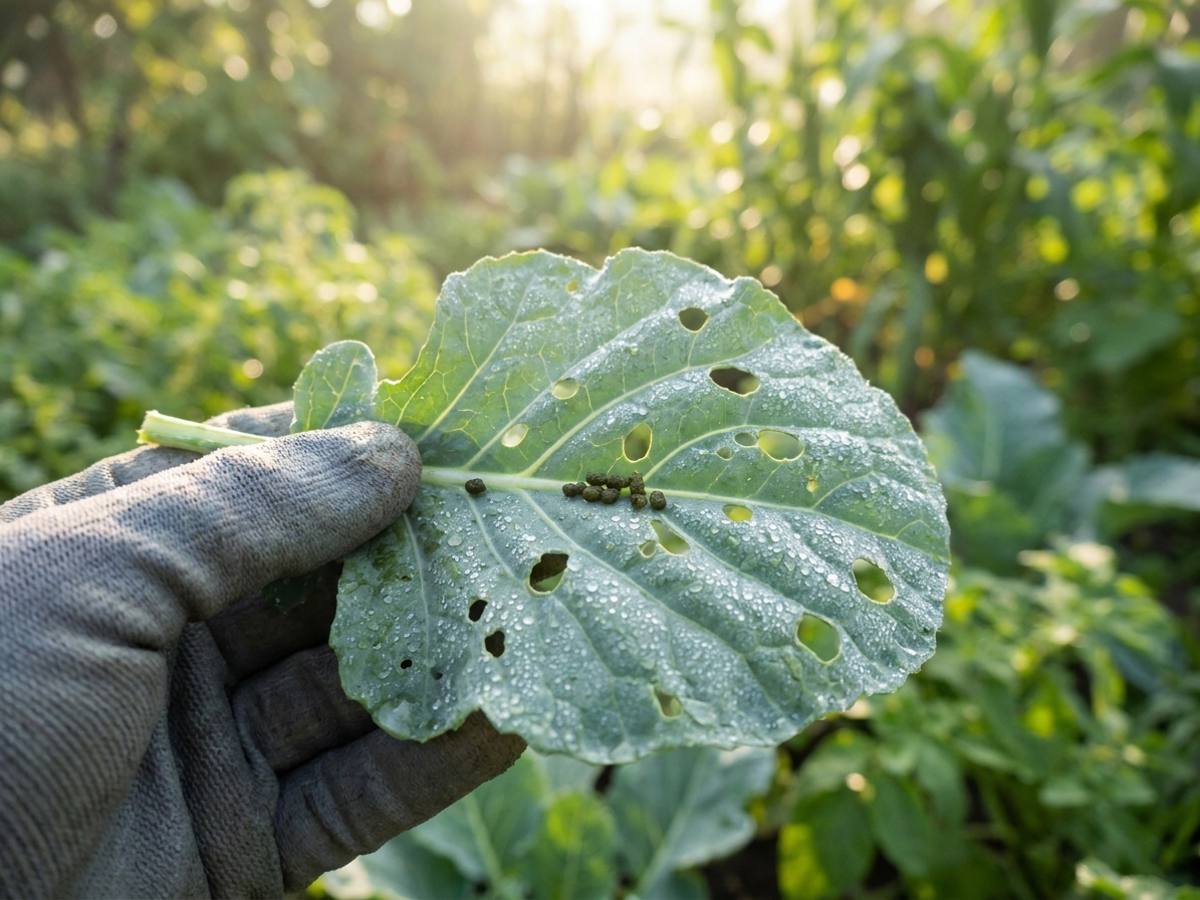
Three different pests are being blamed for the same collapsing brassica beds, but they feed in different places and leave very different marks. Work out which one you have before you choose a barrier.
| Pest | Where the larvae feed | Damage you see | How it beats a barrier |
|---|---|---|---|
| Diamondback moth | Internally, within leaf tissue and brassica heads | Tiny holes and discoloured patches | Microscopic on hatching, it slips straight through standard netting |
| Garden pebble moth | In the heart of the plant | Damage only noticed once caterpillars are established | Infiltrates just as readily, then sits where netting cannot reach |
| Cabbage white butterfly | On leaf surfaces, in the open | Obvious external chewing | Feeds visibly, so the damage is spotted early |
If the holes are tiny and the hearts are hollow, the culprit is one of the two moths, and ordinary butterfly netting will not stop it.
Most home gardeners rely on traditional butterfly netting with a mesh size of 1.25mm or larger. The diamondback moth larva, however, is microscopic when it first hatches, easily slipping through those gaps to feast inside your protective barriers. Garden pebble moth caterpillars are equally skilled at infiltration, and by the time you notice damage, they’ve already settled into the heart of your plants where netting cannot reach them.
Commercial growers switched to 0.4mm specialist agricultural textiles years ago, but this knowledge hasn’t trickled down to amateur gardeners fast enough. The lag in awareness means thousands of UK and US home gardeners are wasting time and money on ineffective methods whilst their crops fail silently beneath standard netting.
It’s not too late to salvage your autumn crop if you act now, before the next moth generation emerges.
Watch your plants closely over the next four weeks. Peak diamondback moth activity typically begins to decline in early autumn as day length shortens, giving you a natural window of relief. In the meantime, fine-mesh protection combined with weekly inspections and organic sprays will dramatically improve your chances of bringing healthy brassicas through to autumn harvest.