Autumn chill stratification: the cold-weather seed trick gardeners are embracing
0
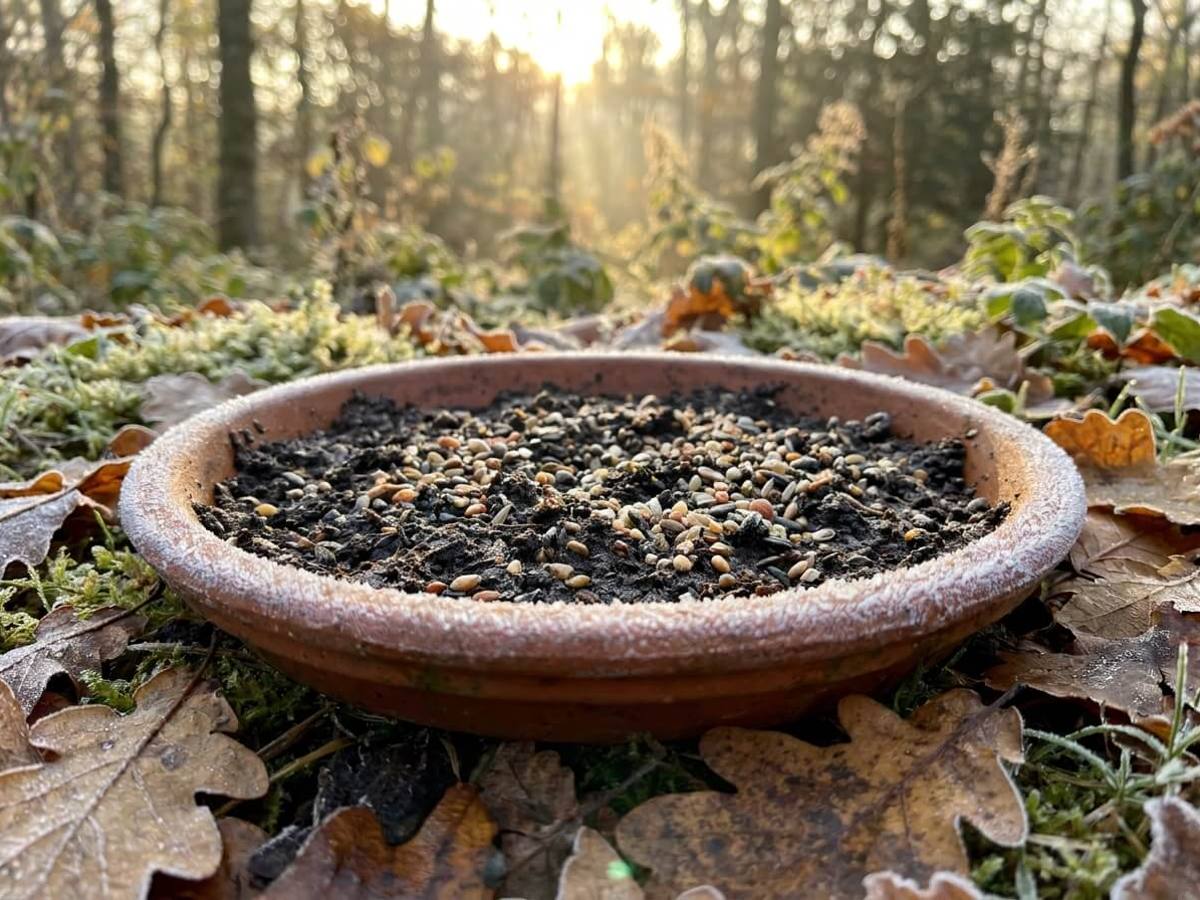
As September arrives and night-time temperatures begin to dip, thousands of gardeners are ditching their kitchen fridges and embracing nature’s own cold treatment. Autumn chill stratification, the practice of exposing seeds to outdoor winter conditions, is experiencing a quiet renaissance among UK and North American growers who’ve discovered it’s cheaper, simpler, and far more aligned with how seeds naturally germinate in the wild.
Why autumn is the perfect moment to start stratifying seeds outdoors
Early autumn marks the turning point in the gardening calendar when night-time temperatures begin their gradual descent towards freezing. Across the UK and North America, this is precisely when many perennials, shrubs, and wild flowers would naturally scatter their seeds, ready to spend months beneath soil and snow before spring awakening. Gardeners who sow seeds directly into outdoor beds, containers, or specially prepared seed frames during September and October harness this ecological rhythm without lifting a finger once frost arrives.
The shift away from indoor refrigeration strategies
For decades, the dominant advice centred on mimicking winter indoors, using domestic fridges to cold-stratify seeds for weeks or months before spring sowing. Whilst this method works, it requires space, monitoring, and vigilance against accidental consumption by family members. More significantly, it interrupts the natural timing seeds have evolved to recognise.
Outdoor stratification aligns with seed physiology. Many species, particularly woodland perennials and alpine plants, require prolonged cold exposure followed by gradual temperature fluctuation to break dormancy. Leaving seeds outside lets frost, freeze-thaw cycles, and natural moisture fluctuations do the work. Gardeners report higher germination rates, stronger first-year growth, and genuine satisfaction in working with rather than against seasonal patterns.
How to prepare seeds for autumn outdoor stratification
Begin these preparations as soon as you’ve sourced or collected your seeds:
Collect ripe seed from plants in your garden or source fresh seed from reputable suppliers, prioritising species that naturally require cold to germinate, such as hellebores, eryngium, and many native shrubs.
Prepare shallow containers or seed frames filled with well-draining compost mixed with grit or sand, which mimics natural soil conditions and prevents waterlogging during wet months.
Sow seeds thinly at the depth recommended on the packet, then water gently and place containers outdoors in a sheltered spot where they’ll experience natural temperature fluctuations but remain protected from excessive wind or rodents.
Label everything clearly, as many stratified seeds won’t germinate until late winter or early spring, and unmarked pots easily disappear under fallen leaves.
Monitoring progress through winter and into spring
Check containers occasionally during winter, ensuring compost doesn’t dry out completely during dry spells, though waterlogging poses the greater risk. Watch for germination as temperatures rise in late winter and early spring. Many seeds will have sprouted by the time you’d traditionally be starting seeds indoors, giving you a head start and stronger, hardier seedlings ready for the growing season ahead.
🌿 Nature & Garden Newsletter
Gardening tips, recipes & seasonal advice, twice a week.
🌿 Nature & Garden Newsletter
Gardening tips, recipes & seasonal advice, twice a week.
🌿
Get our gardening tips, recipes and seasonal advice
Subscribe to Nature & Garden Newsletter — twice a week, no ads.