Late summer is soft fruit season’s golden hour. Raspberries, blackcurrants, and strawberries are at their peak ripeness, flavour intensity, and glut abundance. But this bounty is fleeting. Learn exactly how to freeze, bottle, and preserve your harvest so you can enjoy that late summer intensity through winter – without wastage or disappointed returns.
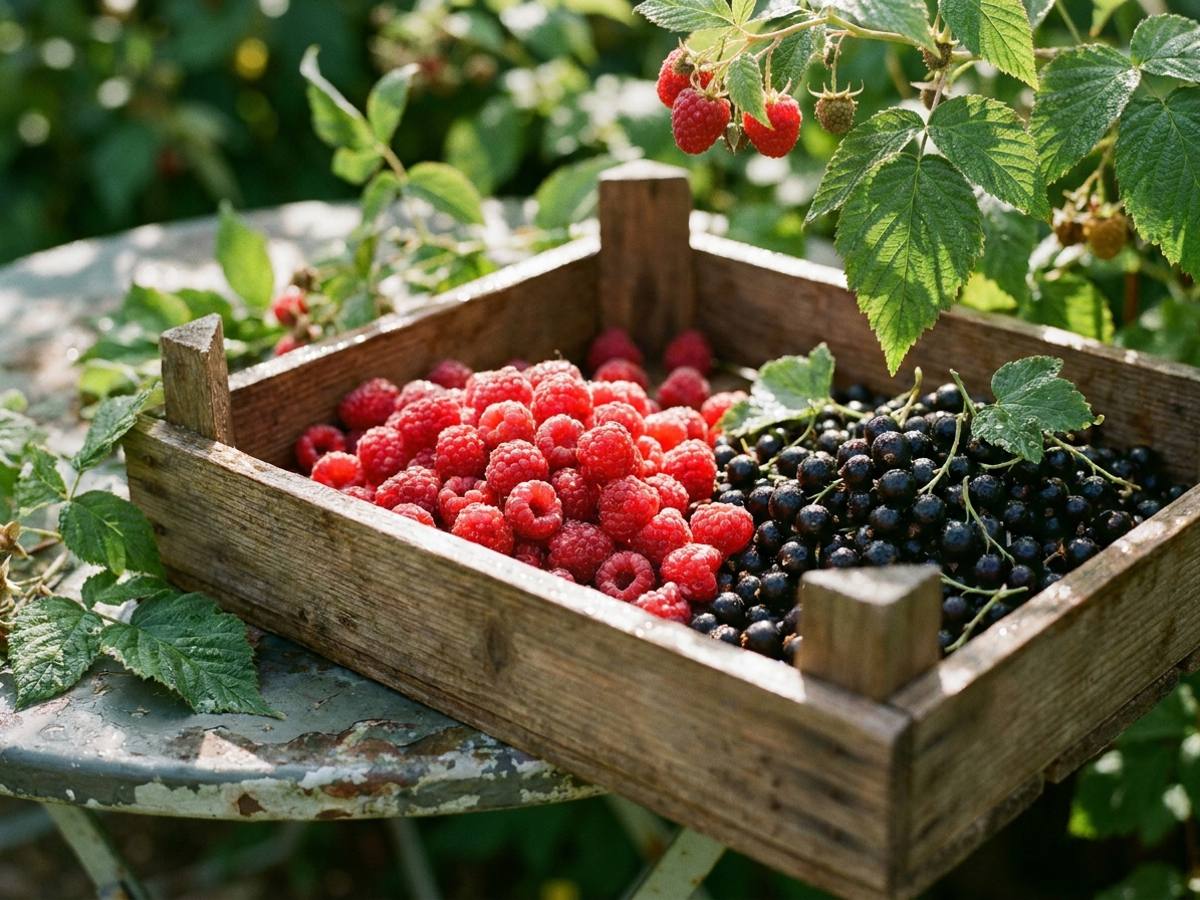
In summer, across UK and US gardens, soft fruit is hitting its stride. Raspberry canes are heavy with jewel-toned berries, blackcurrant bushes are laden with glossy clusters, and strawberry plants are still delivering despite the summer heat. This is the window when flavour compounds are at their strongest and sugar content is highest. Waste now, and you waste the entire season’s potential.
Soft fruit has a notoriously short shelf-life. Most raspberries and blackcurrants will begin to deteriorate within three to five days of picking, even when refrigerated. Strawberries last slightly longer but still demand quick action. A single week of warm weather can turn a glut into mulch. The challenge isn’t just storage; it’s capturing flavour at its peak and locking it in before natural sugars oxidise and delicate aromatics fade.
Home gardeners often find themselves facing either feast or famine. One day there are handful opportunities for picking; three days later, fruit is past its best. Professional growers solve this by processing at peak ripeness. Home gardeners can do the same, but timing is everything.
Choose the right technique based on how you want to use the fruit later:
Each of the four techniques described above protects a different quality — texture, concentration, structure or convenience. Match the method to the way you intend to eat the fruit months later.
| Method | Best for | How it is done | What you gain |
|---|---|---|---|
| Rapid tray freezing | Raspberries and blackcurrants | Spread on a baking tray, freeze four hours uncovered, then bag | Loose, individual berries with texture and flavour intact |
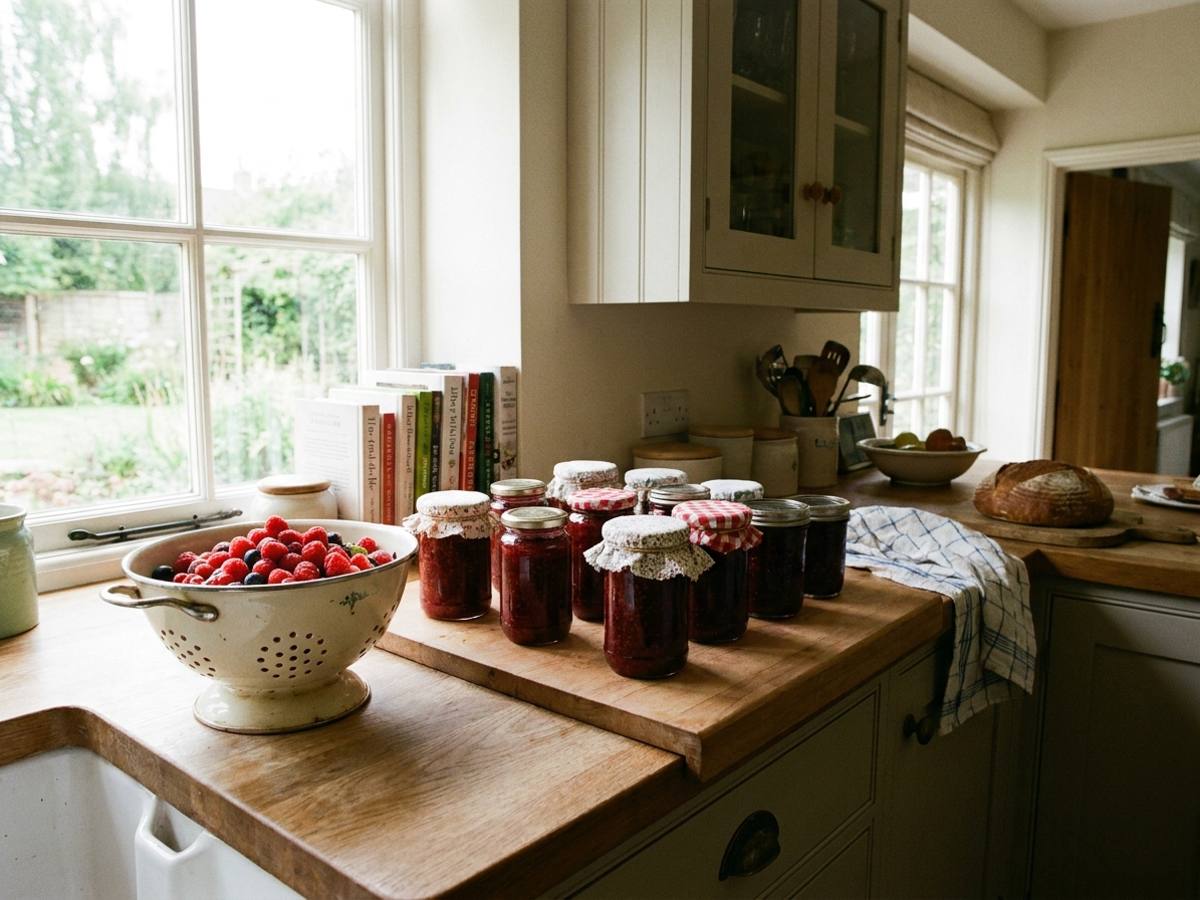
| Bottling or jam-making | Blackcurrants above all | Bottle whole or set as jam | Shelf-life of months and deeper, more complex flavour than fresh |
| Sugar-pack freezing | Strawberries for winter compotes and baking | Layer berries with caster sugar at a 4:1 ratio | Structure preserved and a syrup developed |
| Purée frozen in ice-cube trays | Yoghurt, smoothies and autumn baking | Purée the fruit and freeze in cube trays | Portion-controlled flavour and the best use of freezer space |
Whichever you choose, the deciding factor is processing the fruit while it is still at peak ripeness.
Over the coming weeks, watch for the subtle shift from peak ripeness to overmaturity. Berries will still look abundant, but their texture will soften and flavour will flatten. Harvest every two to three days rather than once weekly. If you spot any mouldy or damaged fruit, remove it immediately to prevent spores spreading through stored batches.
This late summer effort creates a genuine gift for your winter self. By early autumn, you will have shelves of preserved abundance ready to remind you of summer’s generosity.