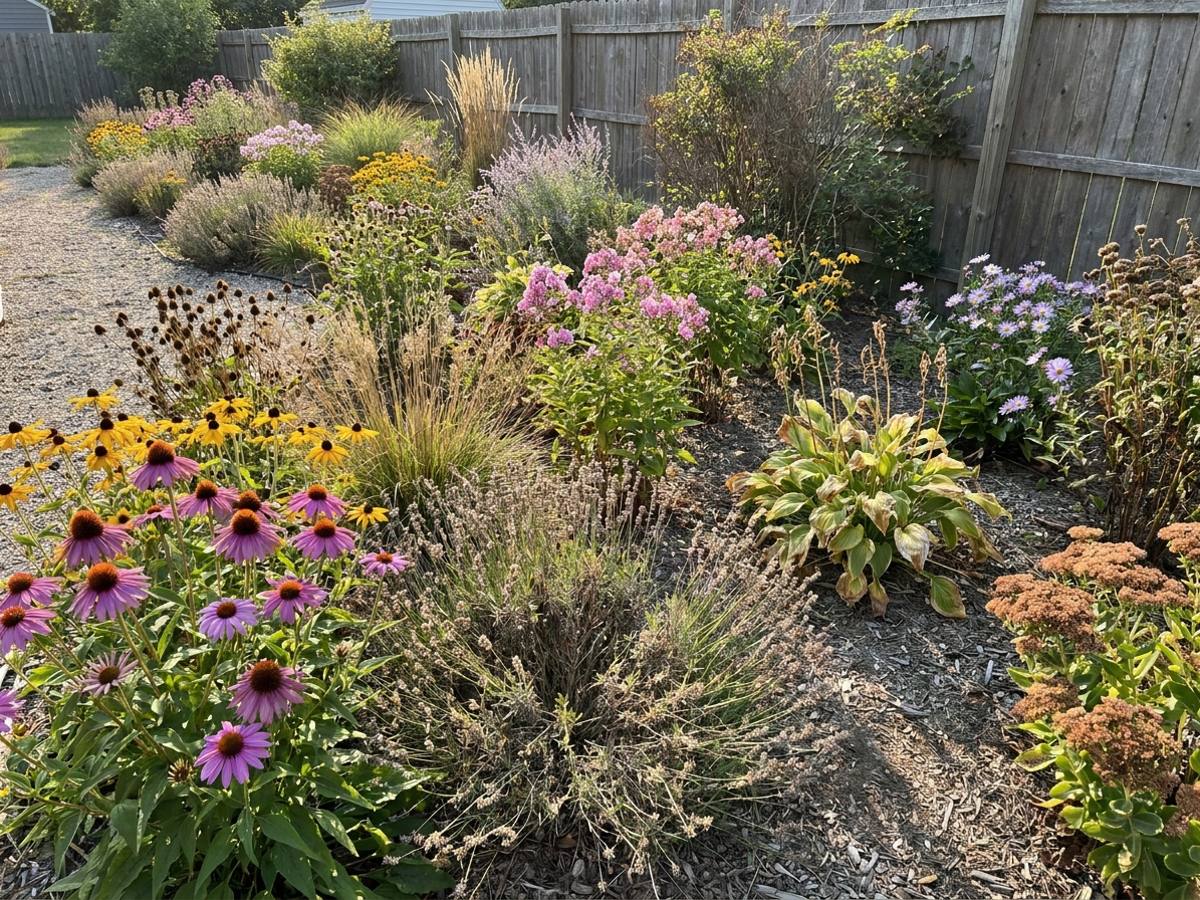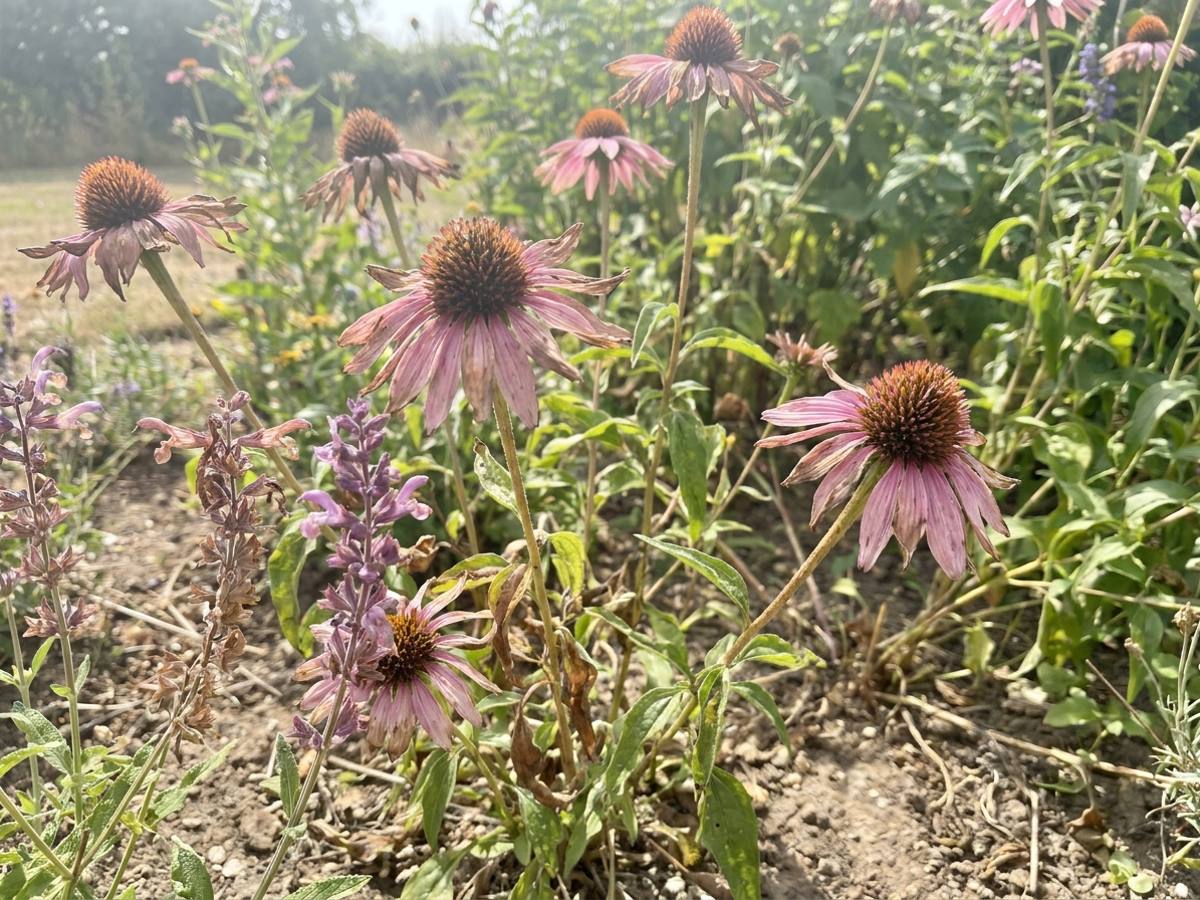
It’s mid-July and your delphiniums are already fading. Your coneflowers have stopped blooming. Across the UK and US, gardeners are watching their summer perennials peak and fade weeks earlier than expected. Rising temperatures are rewiring bloom cycles, and if you want colour through September and October, now is the moment to act.
Right now, gardens from London to Los Angeles are experiencing the same frustration. Many summer perennials that should be flowering through August have already dropped their petals, leaving bare stems where you expected weeks of colour. Heat stress accelerates flower senescence, meaning warmer-than-average temperatures trigger plants to finish their reproductive cycle faster and conserve energy.
This isn’t coincidence. Since 2020, average July temperatures across both regions have risen by 1.2 to 1.5 degrees Celsius above historical norms. For heat-sensitive perennials like delphiniums, phlox, and bearded iris, this shift is cutting their display window by 2 to 3 weeks.
Perennials have evolved to bloom based on day length and accumulated heat units. When temperatures spike suddenly, plants interpret the signal as a cue to finish flowering and set seed before conditions become inhospitable. Some varieties are more vulnerable than others. Delphiniums and foxgloves, which prefer cool summers, collapse quickly when temperatures stay above 24 degrees Celsius for consecutive days. Even robust performers like rudbeckia and sedums begin to slow their flower production.
The paradox is cruel: the very season when you most want garden colour is now the season when heat actively shuts down blooming in traditionally reliable perennials. Understanding this pattern allows you to plan differently and extend colour through strategic deadheading, targeted watering, and thoughtful variety selection.
Take these four actions before the end of this month to rescue your autumn display:
Watch your garden closely through late July and early August. If temperatures drop even slightly, or if you receive rain, many cut-back perennials will respond with new growth within 3 weeks. Late August and September often bring cooler nights and autumn moisture that trigger a second wave of flowering in plants like Russian sage and Japanese anemones. Keep notes on which varieties faded earliest and which held on, so you can make informed changes to next year’s planting plan.