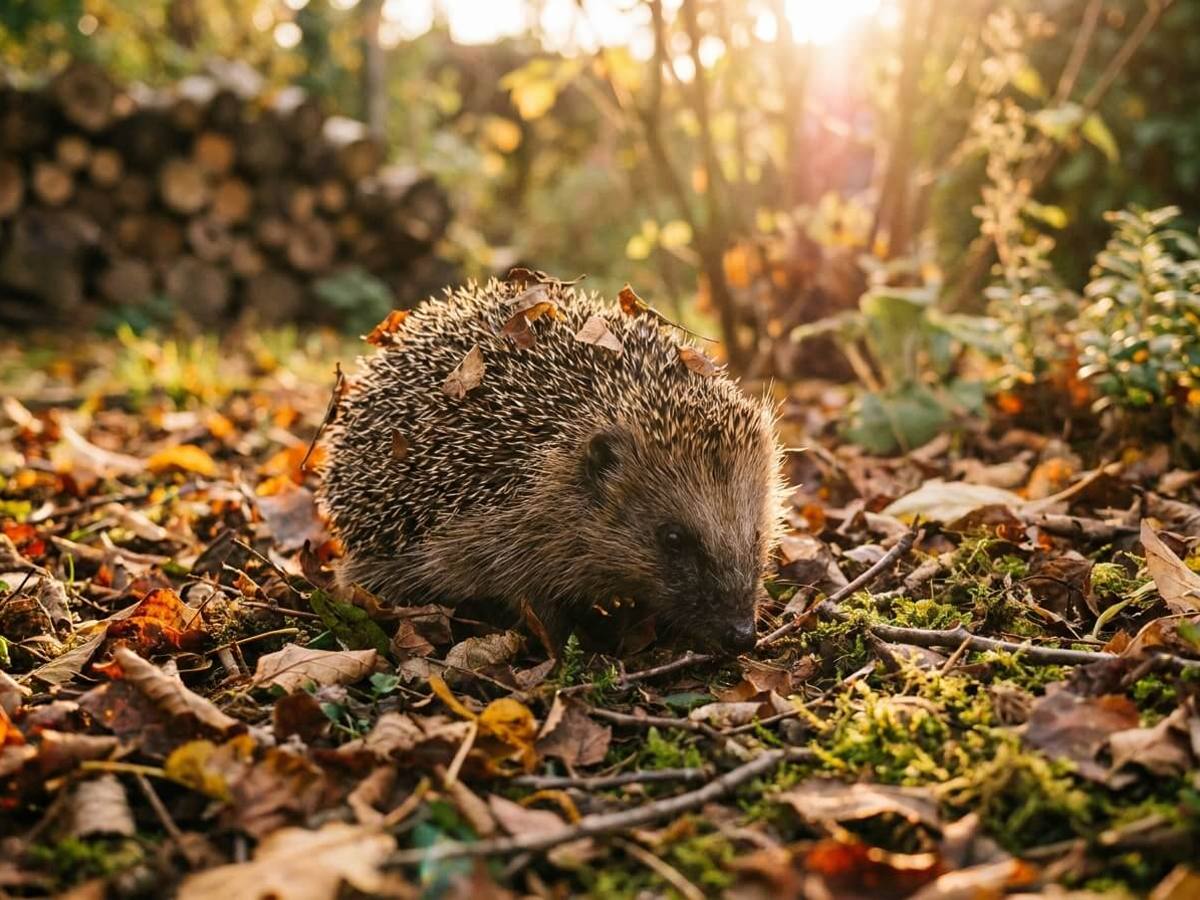
Hedgehog sightings in British and North American gardens have plummeted by up to 97% in recent decades, and autumn is when this crisis becomes most visible. As temperatures drop and these spiny visitors should be fattening up before hibernation, many gardeners report seeing none at all. The good news? Your garden can become a lifeline, but only if you understand what hedgehogs desperately need right now.
October and November are prime hedgehog season. These nocturnal creatures are at their most active, foraging intensively to build fat reserves for winter sleep. Yet gardeners across Britain and North America are noticing an eerie silence where rustling and snuffling once filled autumn nights. The hedges, leaf piles, and garden borders that once hosted dozens now shelter none.
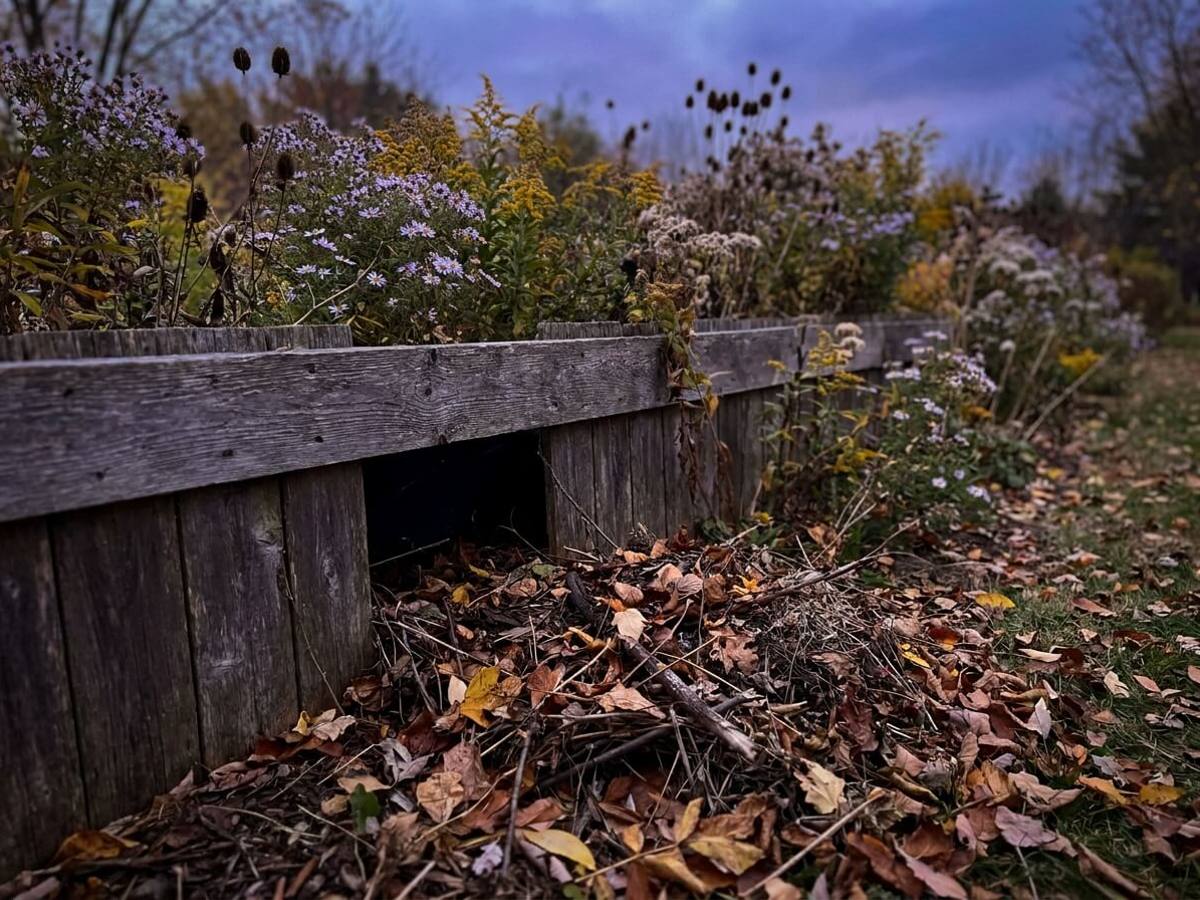
Hedgehogs face a perfect storm of modern garden design. Neat, sealed fences block their natural highways. Pesticides eliminate the invertebrates they depend on, whilst tidy gardens stripped of dead wood and leaf litter offer nowhere to shelter or hunt. Perhaps most damaging, the sheer fragmentation of suitable habitat means a hedgehog searching for food and nesting spots must traverse kilometres of hostile terrain.
In Britain, hedgehog populations have crashed from over 30 million to fewer than 1 million. In North America, the eastern hedgehog equivalent faces similar pressures. What makes autumn critical is timing: hedgehogs that fail to reach adequate body weight before the first hard frosts simply do not survive winter. A garden that provides food and shelter during September through November can be the difference between life and death.
Start immediately with these concrete actions to welcome hedgehogs during their most vulnerable season.
Over the coming weeks, observe your garden at dusk and dawn for signs of hedgehog activity: tiny droppings, disturbed soil, or tracks in soft earth. If you spot visitors, resist the urge to tidy further. A hedgehog that finds your garden welcoming in autumn may return season after season, and word spreads among local populations. Your garden could anchor a genuine refuge in an increasingly hostile landscape.