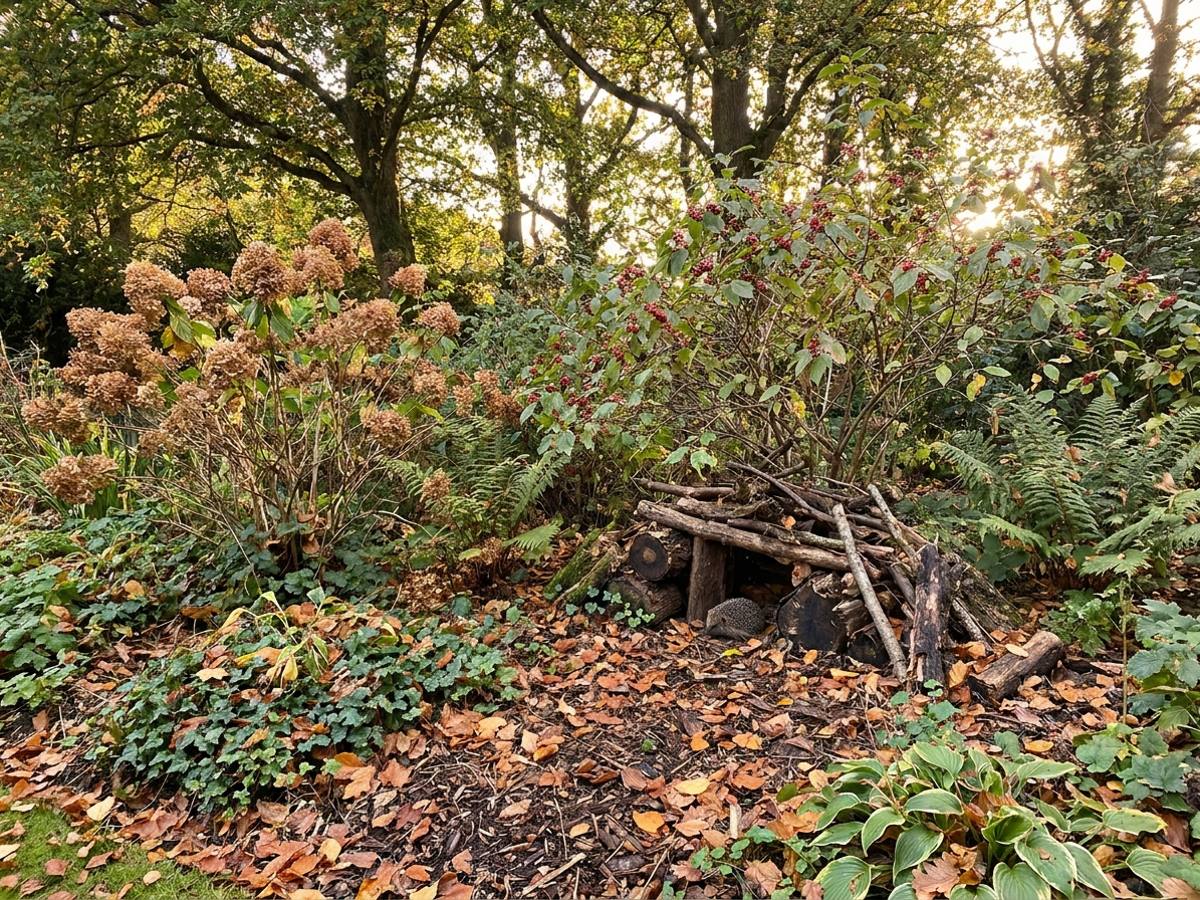
Hedgehog sightings are plummeting as September arrives, leaving gardeners wondering where their spiny visitors have gone. The truth is stark: modern gardens lack the wild corners, invertebrate-rich undergrowth, and shelter these creatures need to prepare for winter. But this autumn planting season offers a genuine chance to reverse the decline, starting in your own garden.
September marks the start of hedgehog desperation. As temperatures drop and daylight shortens, these nocturnal foragers are hunting frantically to build fat reserves before winter hibernation. Yet many gardeners report seeing far fewer hedgehogs than they did five or ten years ago, despite leaving out food and water.
What’s changed? Gardens have become sterile. Neat borders, pesticide-treated lawns, and removal of dead wood have eliminated the untidy spaces where invertebrates thrive, where leaf litter accumulates, and where hedgehogs can shelter. A hedgehog needs access to slugs, beetles, earthworms, and caterpillars, not a manicured lawn and decking.
September and October represent a make-or-break moment. Hedgehogs must consume roughly their body weight in insects and invertebrates every single night to survive the coming dormancy. If your garden cannot provide this feast, hedgehogs simply will not visit, no matter how welcoming you try to make it.
The problem compounds: most modern gardens, especially in UK suburbs and US backyards, have been simplified to the point where they’re ecological deserts. Monoculture lawns treated with pesticides offer nothing. Hedgehogs can wander for miles across these landscapes without finding a single slug or beetle, wasting precious energy. Planting now gives autumn-growing plants time to establish before the hard frosts arrive and hedgehogs retreat underground.
Each of these measures tackles a different part of the problem: food, shelter, water and hibernation cover. Compare them before deciding where to start in your own garden.
| Measure | What to plant or leave | What it gives hedgehogs | Best timing |
|---|---|---|---|
| Native wildflowers | Foxgloves, teasels, black knapweed | Moths, beetles and other invertebrates to hunt at night | Early autumn, so roots establish before winter |
| Native shrubs | Hawthorn, hazel, blackthorn | Hibernation shelter plus insects right through autumn | Early autumn in UK gardens |
| Leaf piles and dead wood | Nothing to plant: leave quiet corners undisturbed | Both shelter and invertebrate habitat | Leave in place from early autumn onwards |
| Water source | Small wildlife pond, or a sunken terracotta saucer | Frogs, newts and aquatic insects, all part of the diet | Create or maintain in early autumn, topped up weekly |
None of the four works in isolation, but together they turn a tidy plot back into feeding and hibernation ground.
Transform your garden into a hedgehog haven with these targeted September actions:
In the coming weeks, observe whether hedgehogs return to your garden. Look for telltale droppings, small holes in borders, or tracks in soft soil. Many gardeners find that once they’ve created a genuinely wild microhabitat, hedgehog visits resume within four to six weeks. As you settle into autumn, remember that every untidy corner, every native plant, and every handful of protected leaf litter is a life-saving resource for these struggling animals.