If your roses and beans look suspiciously healthy this August, you’re not imagining it. Gardeners across the UK and US are reporting a dramatic collapse in aphid populations mid-summer, and early evidence suggests natural predators, weather patterns, and soil health are converging in your favour right now. This is the ideal moment to capitalise on the reprieve and plan your autumn planting strategy.
Why aphids have vanished from August gardens
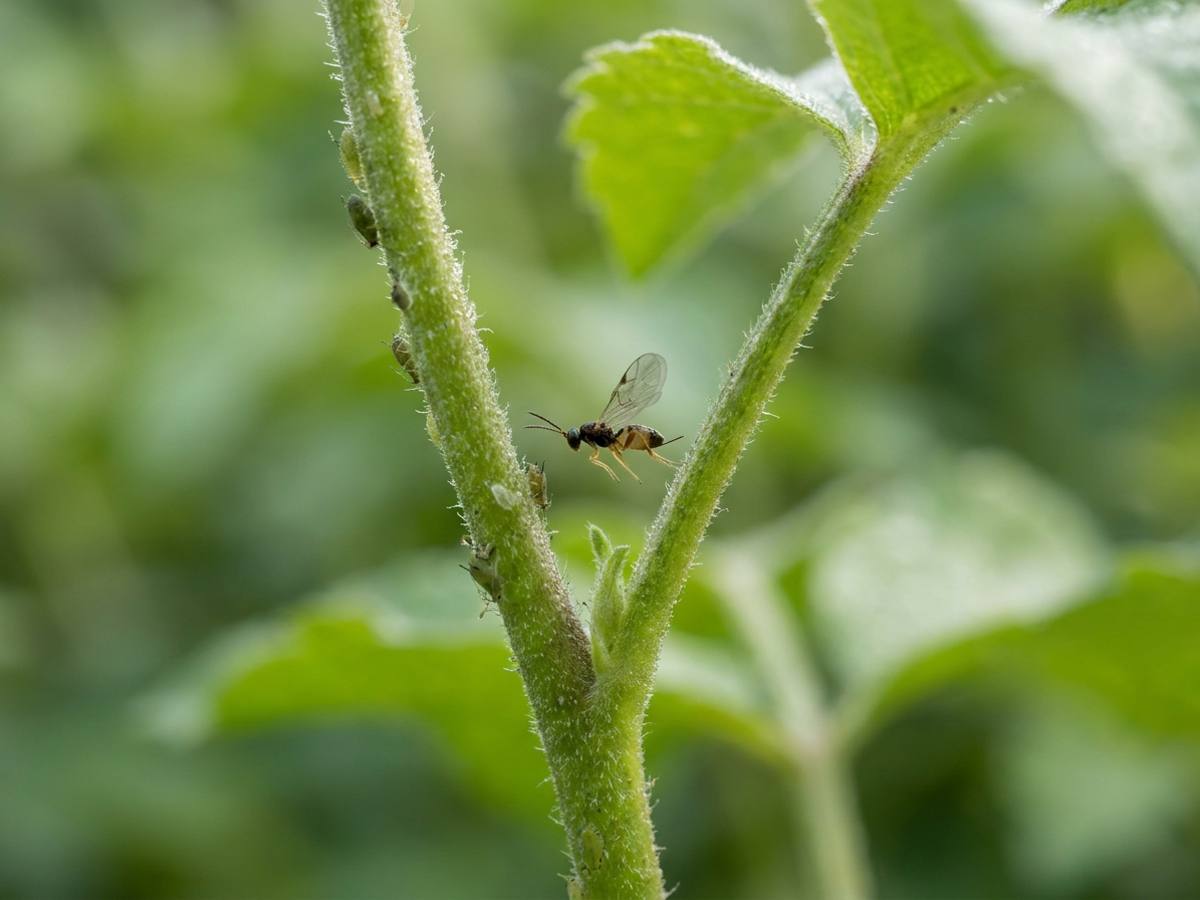
Across both the UK and North America, home gardeners are experiencing an unusual lull in aphid damage just as summer heat peaks. Typically, August brings the season’s worst infestations, but 2026 has been different. Heatwaves in June and early July appear to have triggered mass ladybird breeding cycles, whilst populations of parasitic wasps and hover flies have exploded in response to abundant nectar from flowering herbs and native plants.
Understanding the natural predator surge
This isn’t random luck, it’s ecological timing. When spring and early summer conditions favour beneficial insects, they establish colonies large enough to keep pest populations in check by mid-summer. Gardens with established pollinator plantings, flowering herbs like fennel and dill, and minimal pesticide use are seeing the most dramatic aphid declines. In some regions, gardeners report aphid numbers down by 60 to 80 per cent compared to previous years.
The catch? This advantage is temporary. Once autumn arrives and day lengths shorten, beneficial insect activity will slow. However, you have a genuine window in August and September to take action without battling heavy pest pressure.
How to protect your August and autumn sowings
Make the most of this natural population crash with these targeted steps:
Sow autumn brassicas and leafy greens now, when aphid pressure is lowest. Kale, pak choi, and chard established in August will mature with minimal pest interference.
Plant nectar-rich flowers like alyssum, calendula, and cosmos between vegetable rows to keep parasitic wasps and hover flies active and well-fed.
Avoid broad-spectrum insecticides entirely, even organic ones, as they’ll eliminate the very predators keeping aphids suppressed.
Inspect plants weekly and hand-remove any early aphid colonies before they establish, whilst natural enemies are actively hunting.
Staying vigilant as autumn approaches
Monitor your garden closely through late August and September, watching for any resurgence as temperatures cool. The real test comes in October, when shorter days may reduce predator activity and trigger aphid breeding again. Keep records of which areas remained pest-free, as these often indicate optimal conditions for beneficial insects. By understanding what worked this year, you can actively recreate those conditions next summer and extend your natural pest management advantage.
🌿 Nature & Garden Newsletter
Gardening tips, recipes & seasonal advice, twice a week.
🌿 Nature & Garden Newsletter
Gardening tips, recipes & seasonal advice, twice a week.