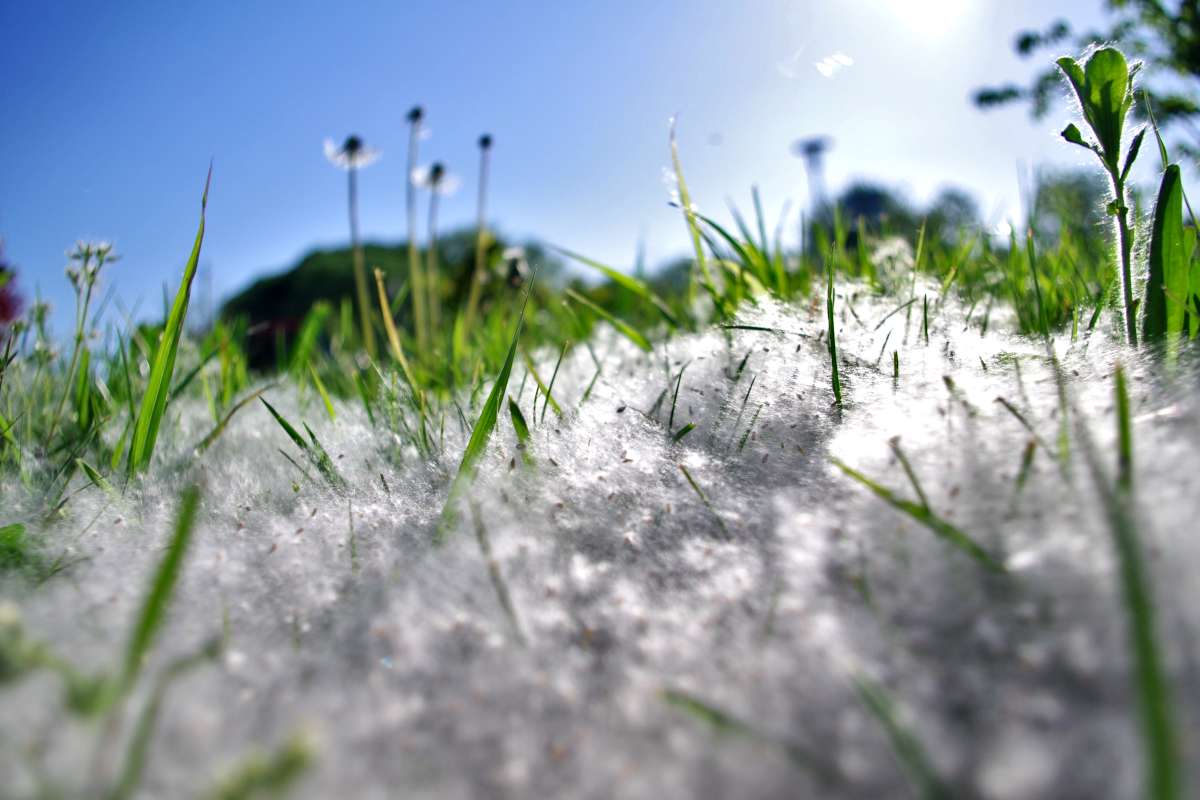
Sneezing, red eyes, runny noses… spring is the time when allergy-triggering plants spread their pollen. A horrible season for allergy-prone people! Discover which plants to avoid planting in the garden, and similar plants to replace them with, when you are or live with persons allergic to pollen.
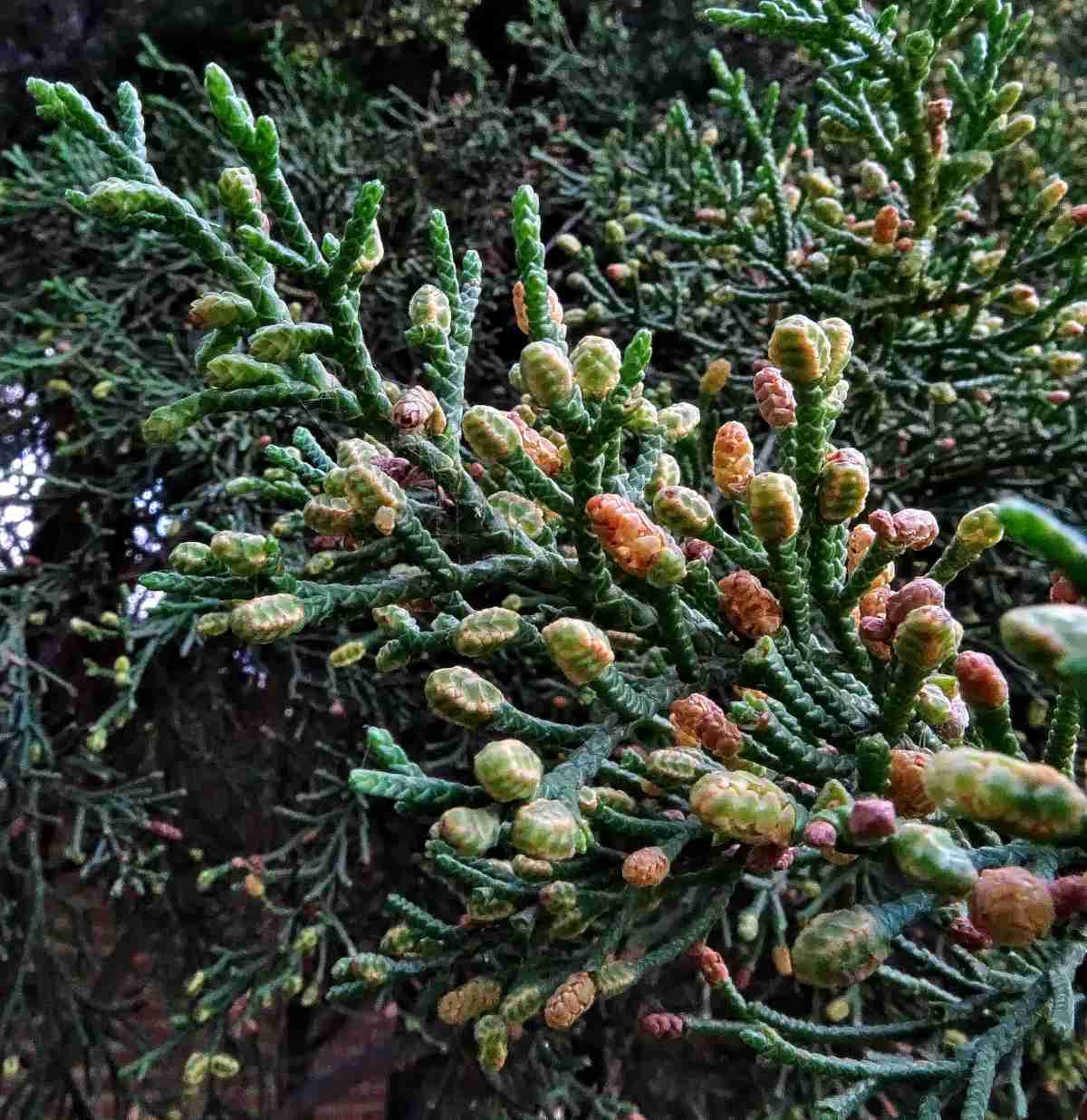 Conifers such as pine trees typically release an impressive load of pollen. However, pine trees themselves are never responsible for breathing allergies. At most, as a result of all that dust in the air, they might lead to mild conjunctivitis (an irritation of the eyes).
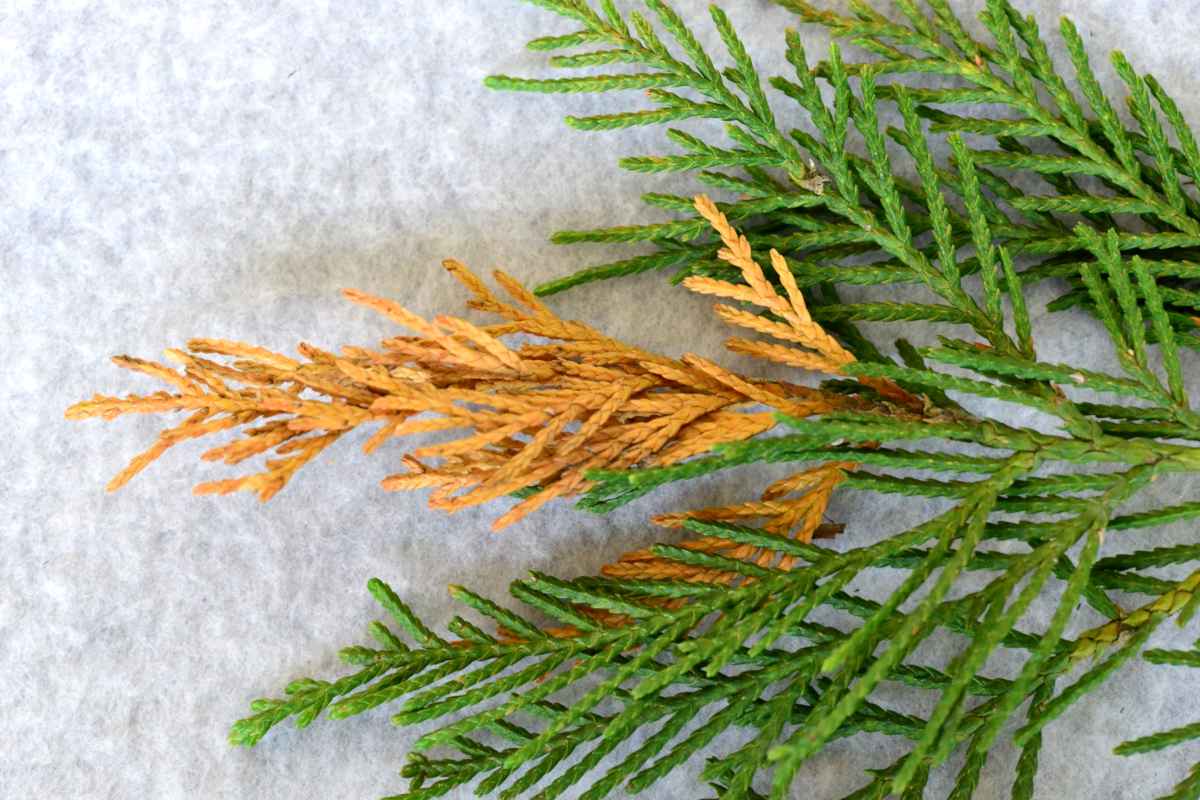
The only conifer that is truly at fault is the cypress. Very common in southern Europe, Cupressus causes itchiness around the mouth and eyes, sneezing, runny nose and even cough. Generally, this allergic reaction occurs from December to March-April. To avoid these ailments, it’s best to favor other non-allergenic conifers with evergreen leaves, such as yew and juniper.
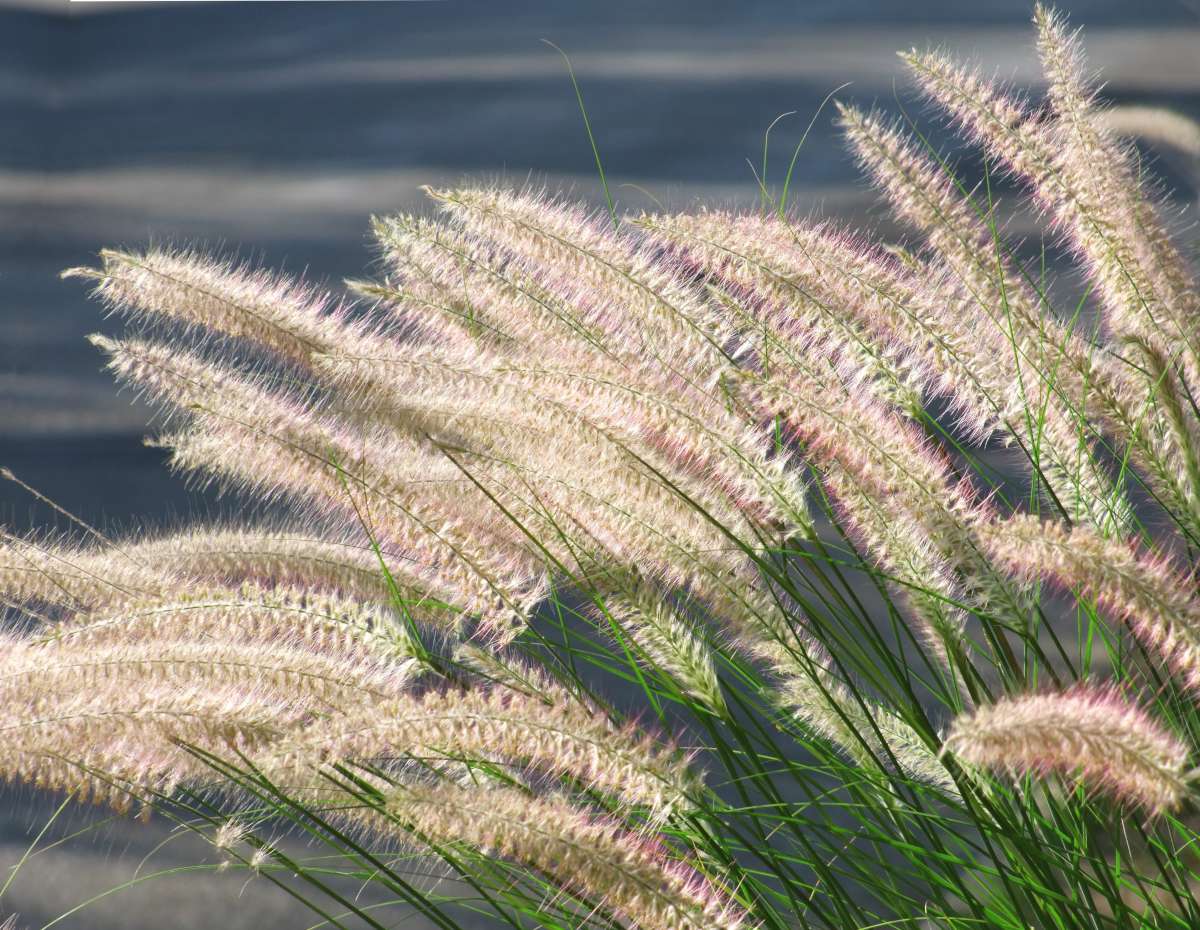
This vast family goes from ornamental grasses all the way to field-sown wheat, rice and more. They are more and more common in urban landscaping and in private gardens because they’re very easy to care for. That is certainly true, and they’re also strikingly beautiful at times, too… but their pollen causes a lot of suffering for allergic persons.
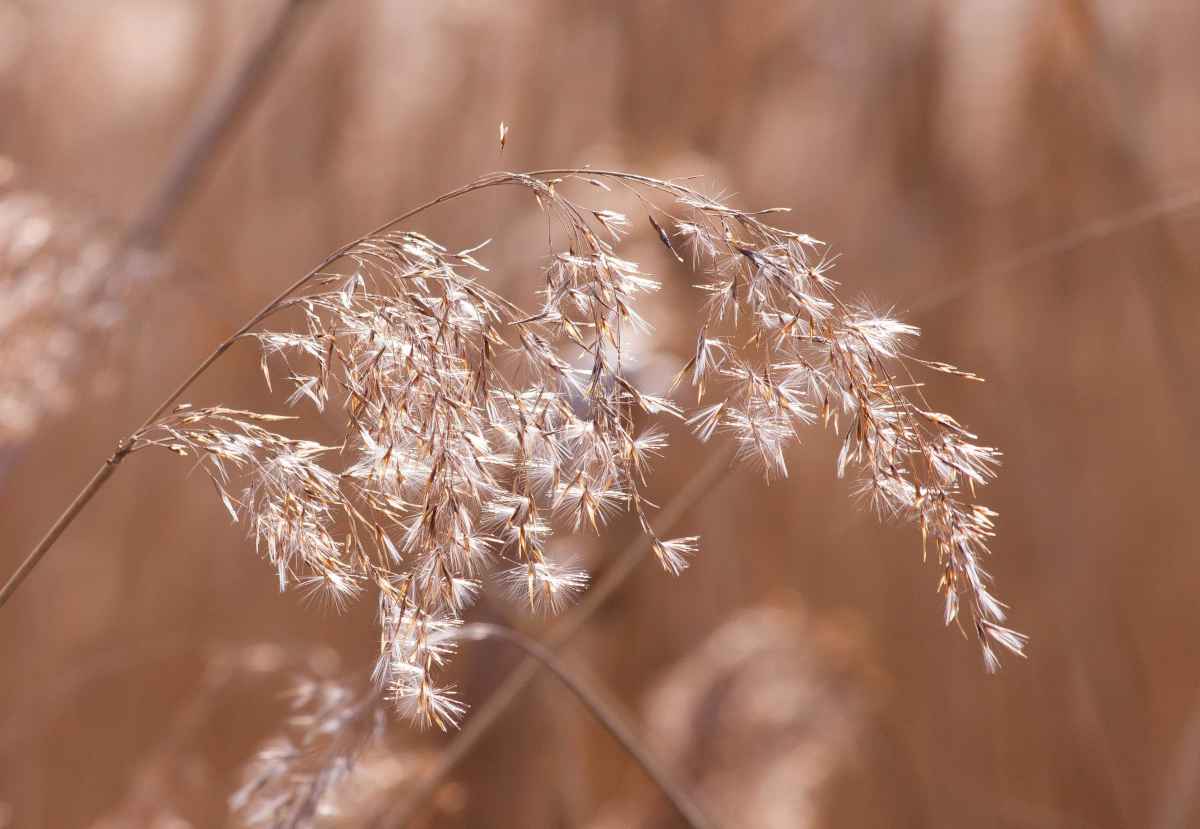 Indeed, these are nearly exclusively wind-pollinated plants. As such, they HAVE to release a huge amount of pollen simply to be able to successfully reproduce. So what can you plant instead? In wet areas, go for reed or bulrush! In either part or full shade, plant Carex. These grow into clumps of various colors, they look like Poaceae plants, but are in fact part of the Cyperaceae family.
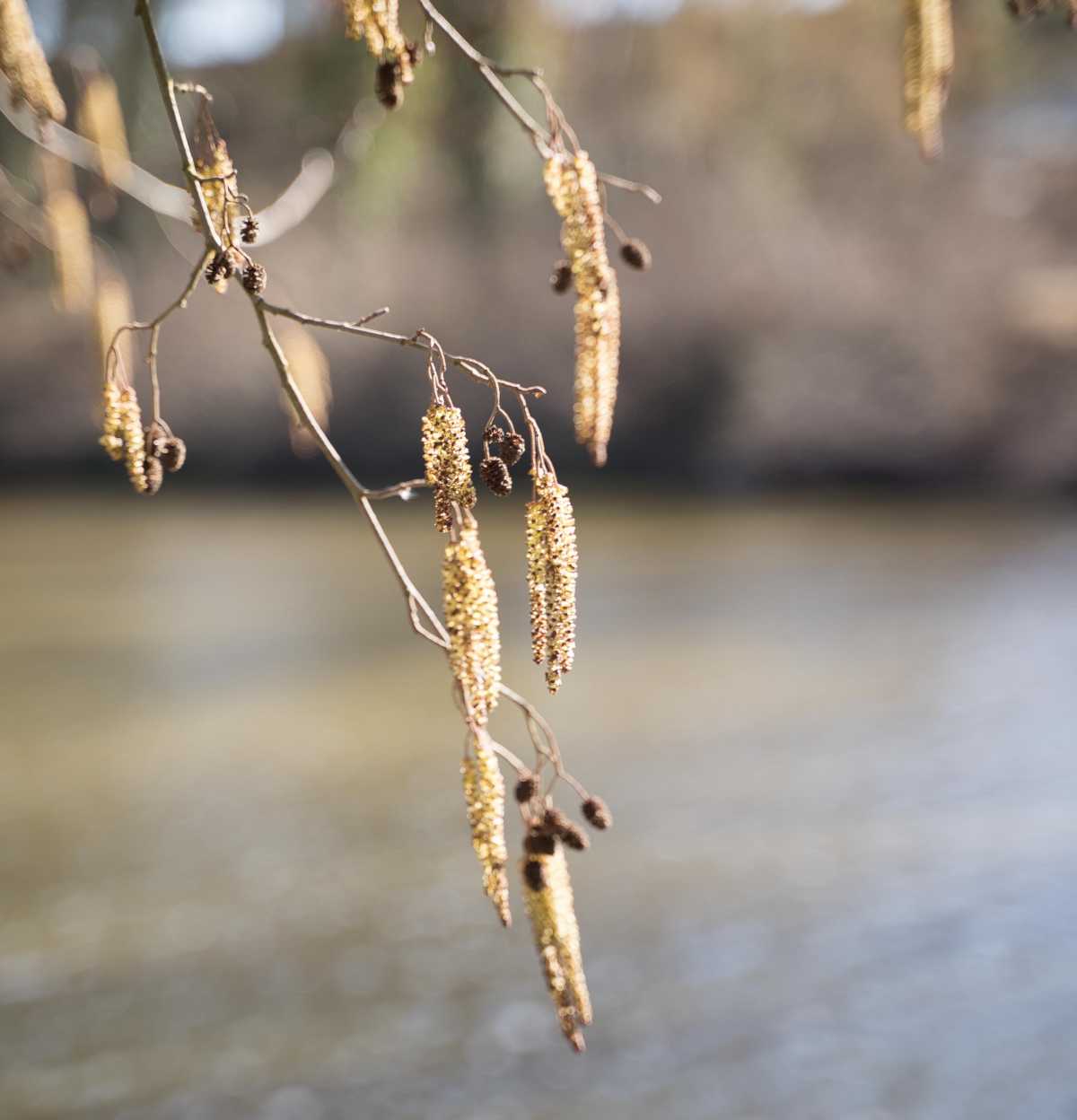 Birch, alder, hazel and hornbeam all produce catkins. These are male flowers that release pollen with the goal of fertilizing female flowers. You quickly learn to avoid these when you’re prone to allergy. Don’t panic, though: there are other similar-looking trees that won’t cause any problems at all. If you’re looking for a tall, fast-growing tree, why not consider red maple. The ‘October Glory’ cultivar doesn’t produce any pollen and its leaves are a glorious flamboyant red.
Also look into fruit trees like pear and cherry. In general, when planting cultivars, best select female specimens: these won’t release any pollen. In doing so, you can still plant willow, poplar and ash without any ill consequences.
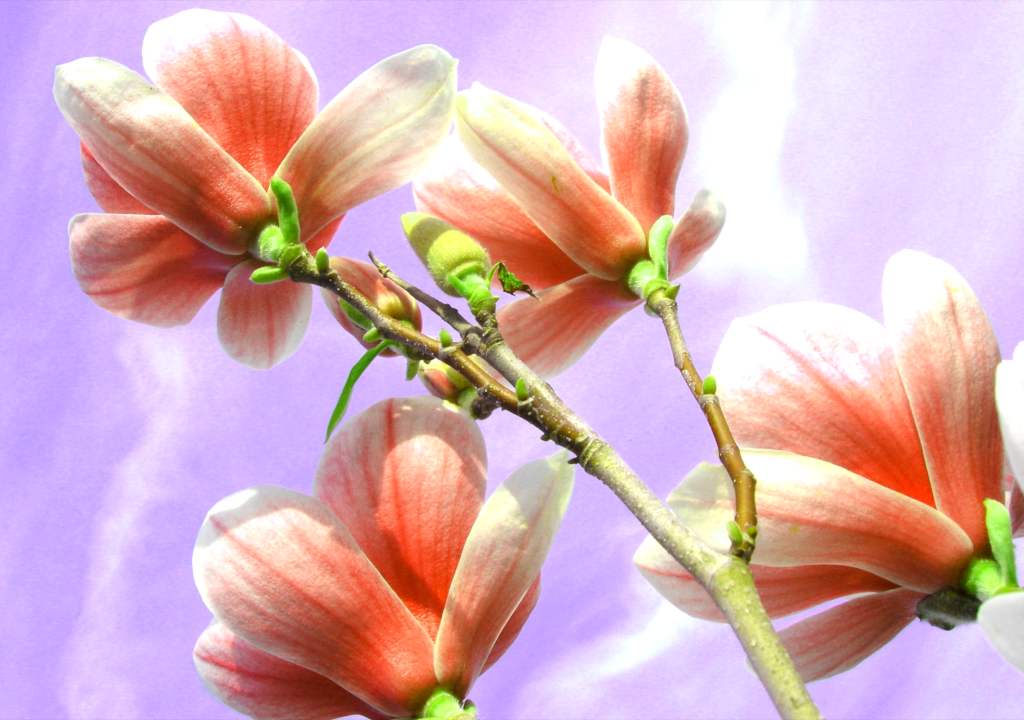
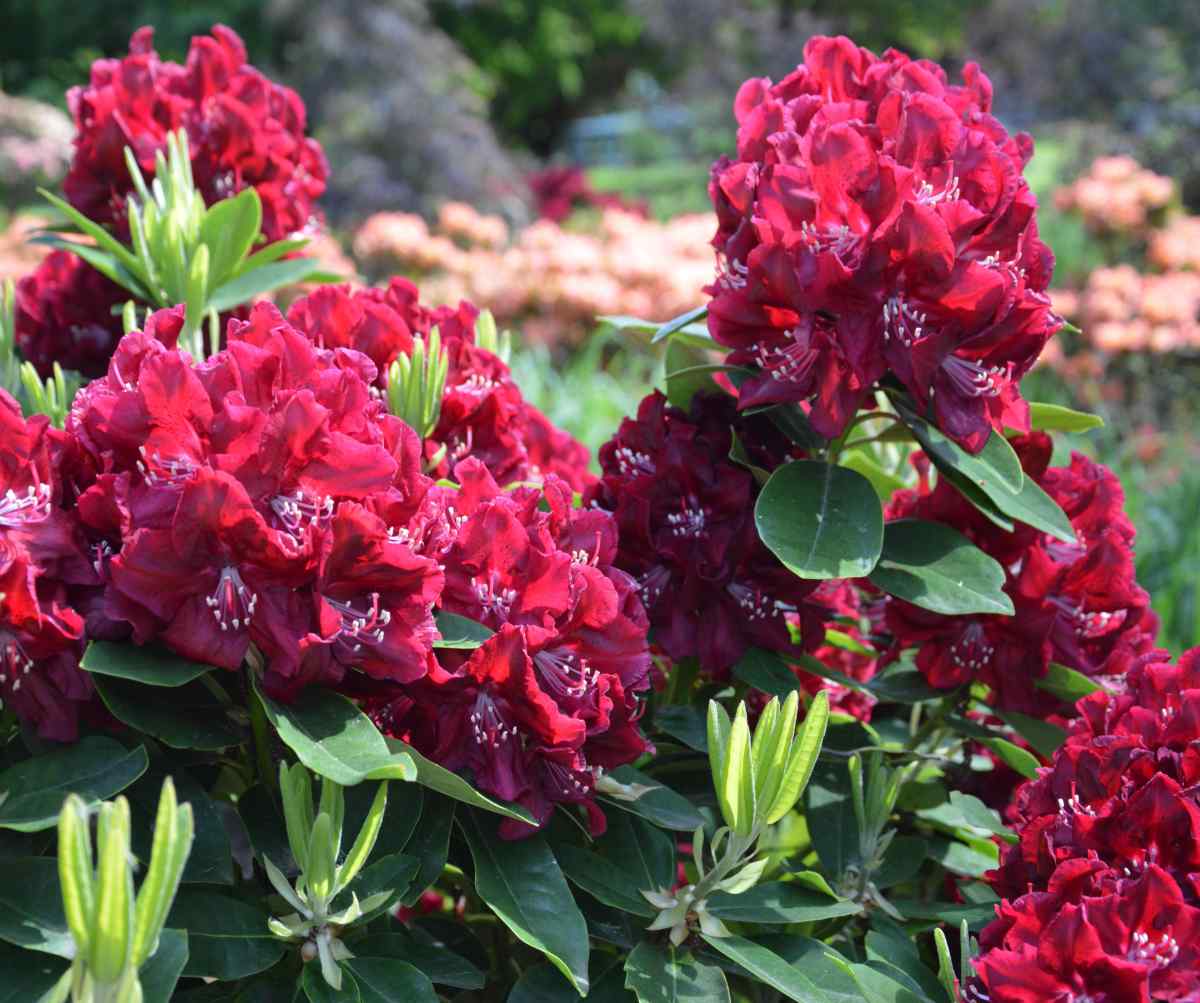 These plants grow in acidic soil and will offer splendid colorful blooming. Magnolia, azalea, rhododendron, hydrangea… These plants usually have dark, shiny evergreen leaves and XXL blooming.
Pink, blue, yellow, orange, purple, white, red, there are enough options here to fit any taste! If your soil isn’t acidic, it’s best to grow them in pots to decorate your terrace or balcony.
 Rose trees, geraniums and chrysanthemum are flowers that don’t release pollen.
Whether in a flower bed, a pot, or a hanging arrangement, their colorful flowers are sometime even very fragrant.
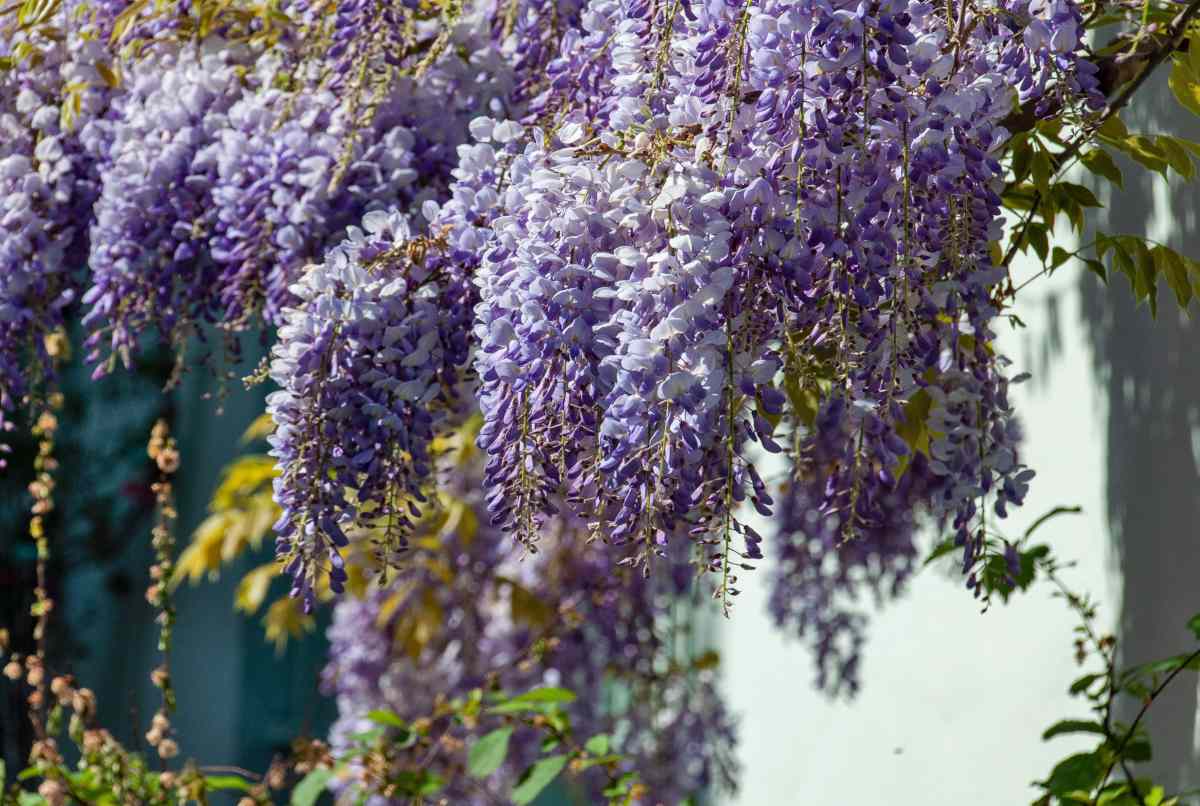
As for climbers, wisteria, jasmine and honeysuckle will not trigger any allergic reactions.
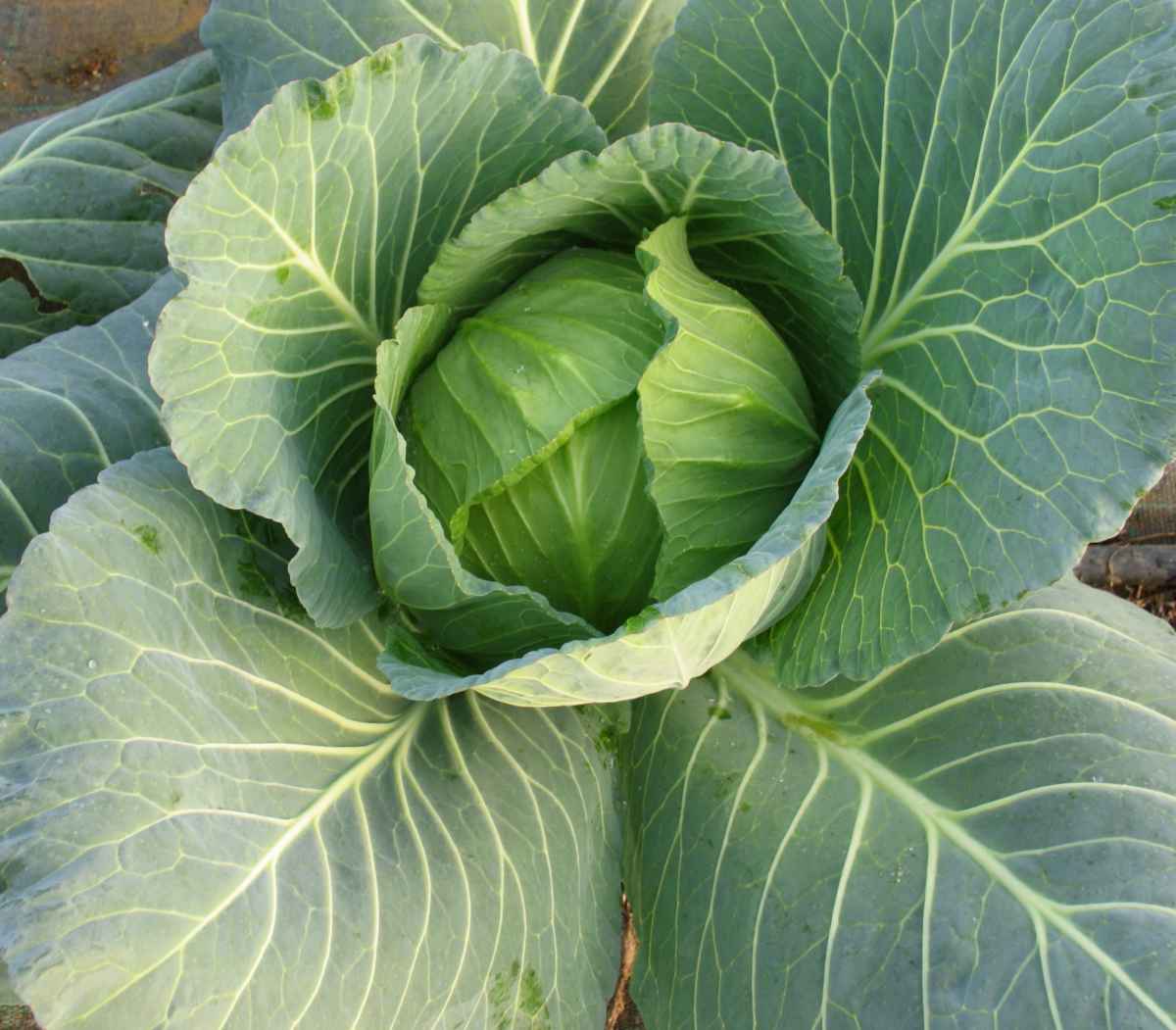 No problems expected here! Nearly all plants grown for food don’t trigger any pollen allergies, even herbs. Go ahead and sow basil, tomato, squash and carrot.
Only parsnip and rhubarb should be avoided for allergy-prone persons. Still, you have quite a lot of tasty veggies to grow: potato, leek, eggplant, asparagus, radish…
To avoid pollen of any sort, instead of plants, set up a beautiful rock garden! Plan out large terraces and decks, winding walkways, use mulch… All this is very ornamental and you’ll thus avoid growing risky plants altogether.
As a consequence, you’ll also have to dutifully weed your garden, so that pioneer plants won’t grow there.