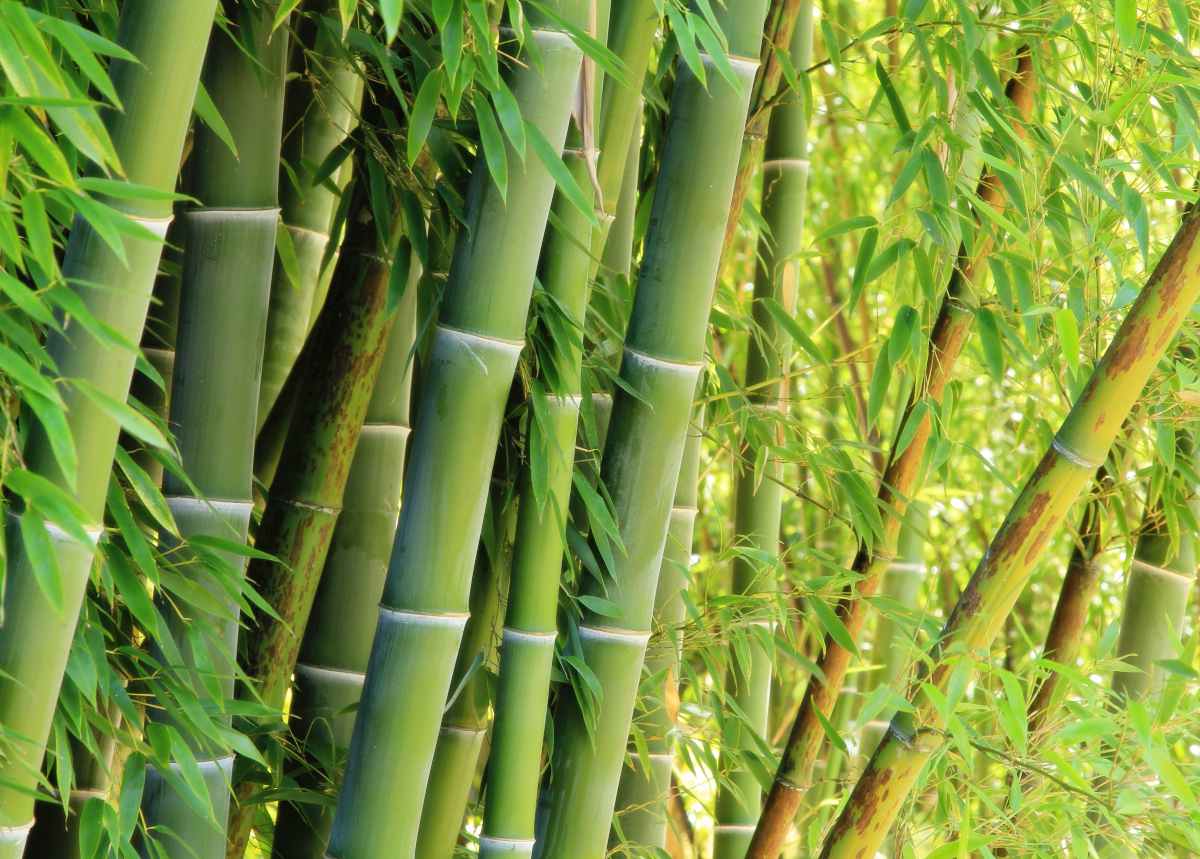
Evergreen canes rising anywhere from 2 to 20 metres, hung with narrow leaves that stir at the slightest breeze: bamboo (Phyllostachys, Pleioblastus and their relatives) hides you from a neighbour’s windows in very little time and lends a garden an exotic air. Sink a rhizome barrier 70 cm deep first, and that vigour stays exactly where you put it.
| Name | Phyllostachys, Pleioblastus… |
|---|---|
| Family | Poaceae |
| Type | bamboo |
| Height | 6 to 60 feet (2 to 20 m) |
| Exposure | full/part sun |
| Soil | normal |
| Foliage | evergreen |
Our advice for planting, care and trimming should help you grow beautiful bamboo.
The planting of a bamboo is an important step because it influences root growth and bamboo development.
Plant bamboo preferably in fall but, it can also take place in spring as long as you water regularly at the beginning.
Other than that, avoid planting bamboo during frost spells or heat waves.
To avoid bamboo invading your entire garden, set up a root or rhizome barrier.
Useful: video on planting and controlling bamboo
Bamboo grows fast and usually survives both drought and freezing very easily.
At the beginning, growth is a bit slow: rhizomes are developing underground and setting up the plant’s support system. The real growing starts 2 or 3 years after planting.
If you’d prefer a dwarf bamboo variety that will always stay a small, reasonable size, opt for Pleioblastus.
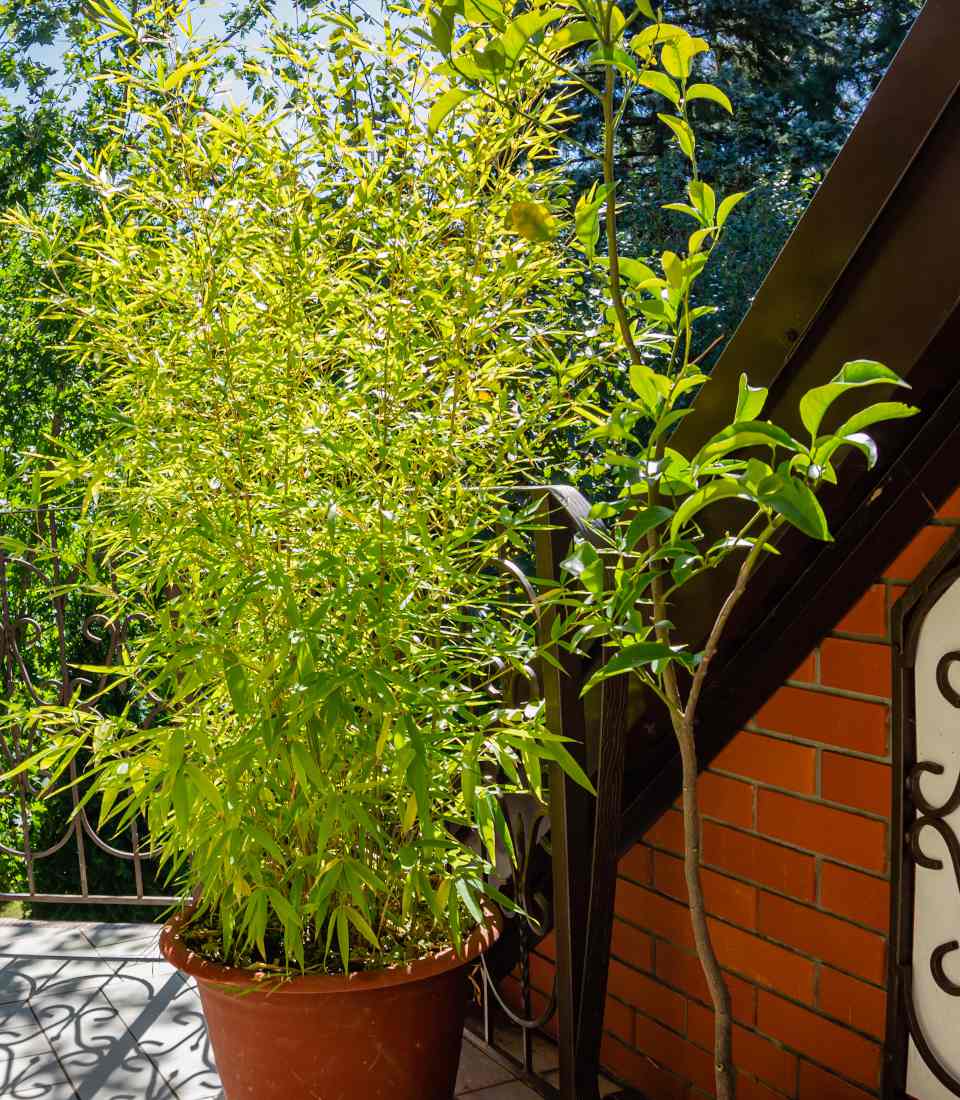
The golden rule for planting a bamboo in a pot is to make sure watering is easy. You’ll need to water as soon as the surface soil is dry.
Regular watering of potted bamboo is crucial. When soil dries up, roots in pots lack water and bamboo needs lots of it.
The best time to multiply bamboo is during the spring.
Lay the rhizome flat in the hole, buds facing upwards, under only a few centimetres of soil.
A division lifted from the edge of the clump with its own roots and one or two standing culms establishes far more reliably than a bare length of rhizome.
Shorten the culms on such a division by about half, so the reduced root system is not asked to supply a full head of leaves.
If your digging takes you up against the rhizome barrier, inspect it and reseal any gap before you backfill, or the clump will escape through the breach.
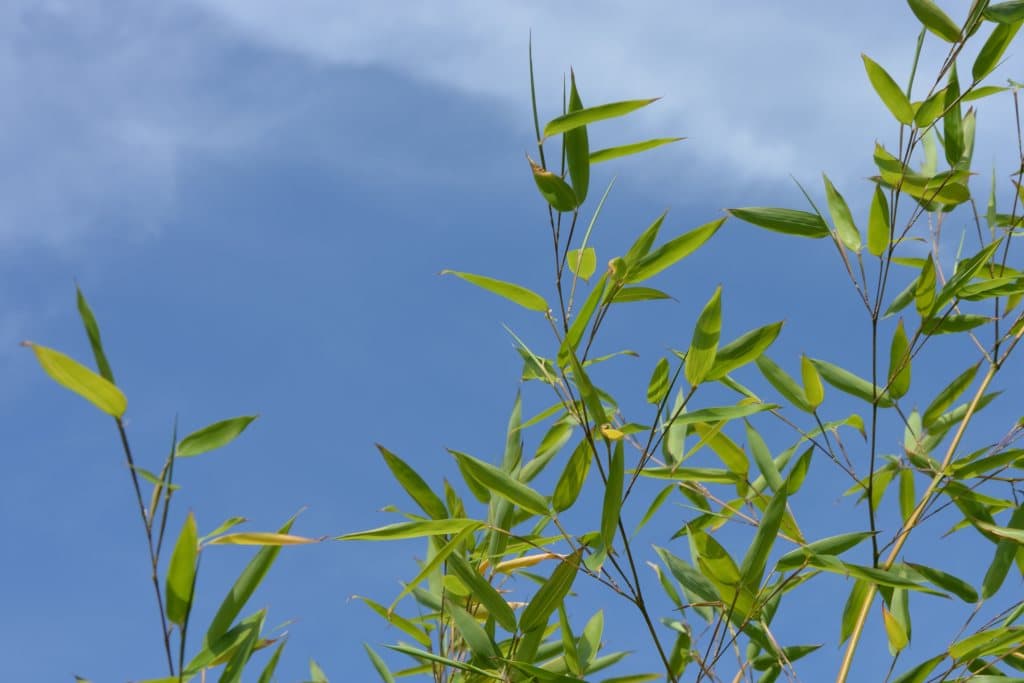
Bamboo is an easy plant to care for, as long as you’ve properly set up your rhizome barrier.
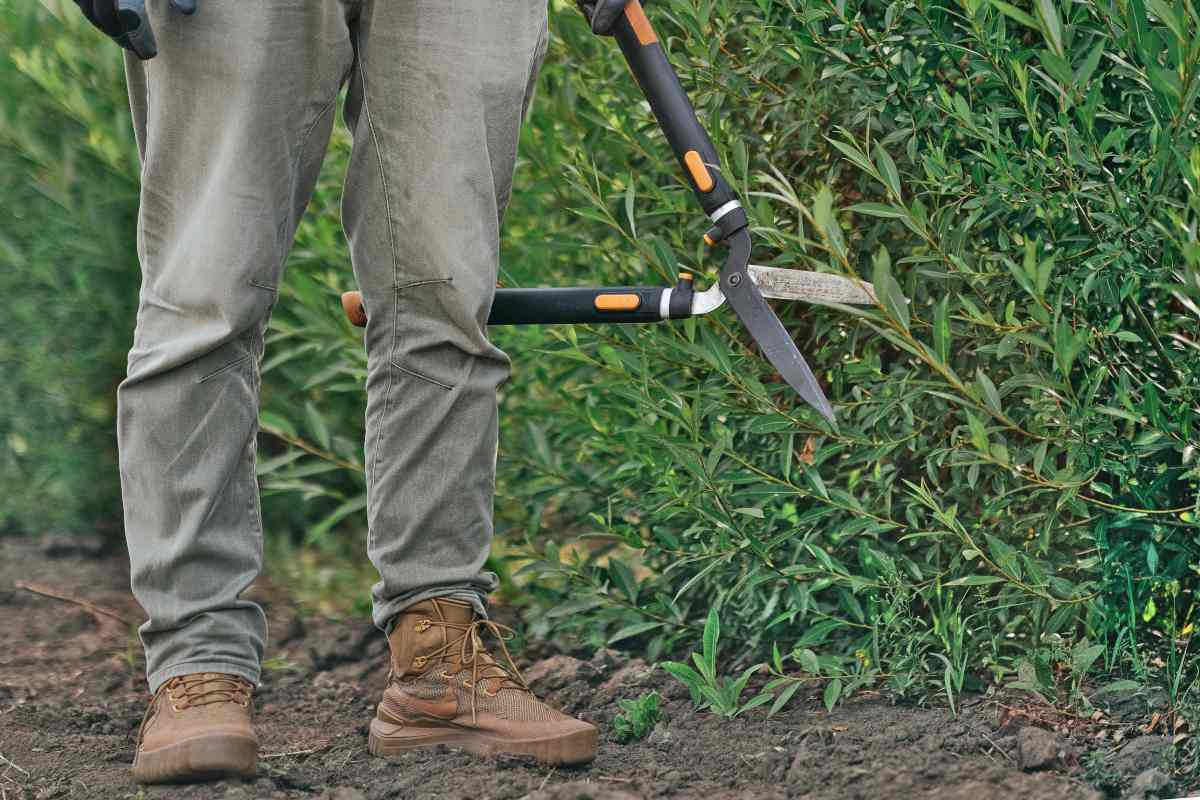
Once in place, bamboo requires little care and can be trimmed at will.
Bamboo needs lots of water, especially in containers. It’s important that the soil doesn’t stay dry for very long between 2 watering sessions.
Adding fertilizer is important for bamboos, especially for potted bamboos.
The best bamboo fertilizers must contain high levels of nitrogen. It is best to choose bamboo fertilizer or even basic lawn fertilizer since bamboo is actually a member of the grass family.
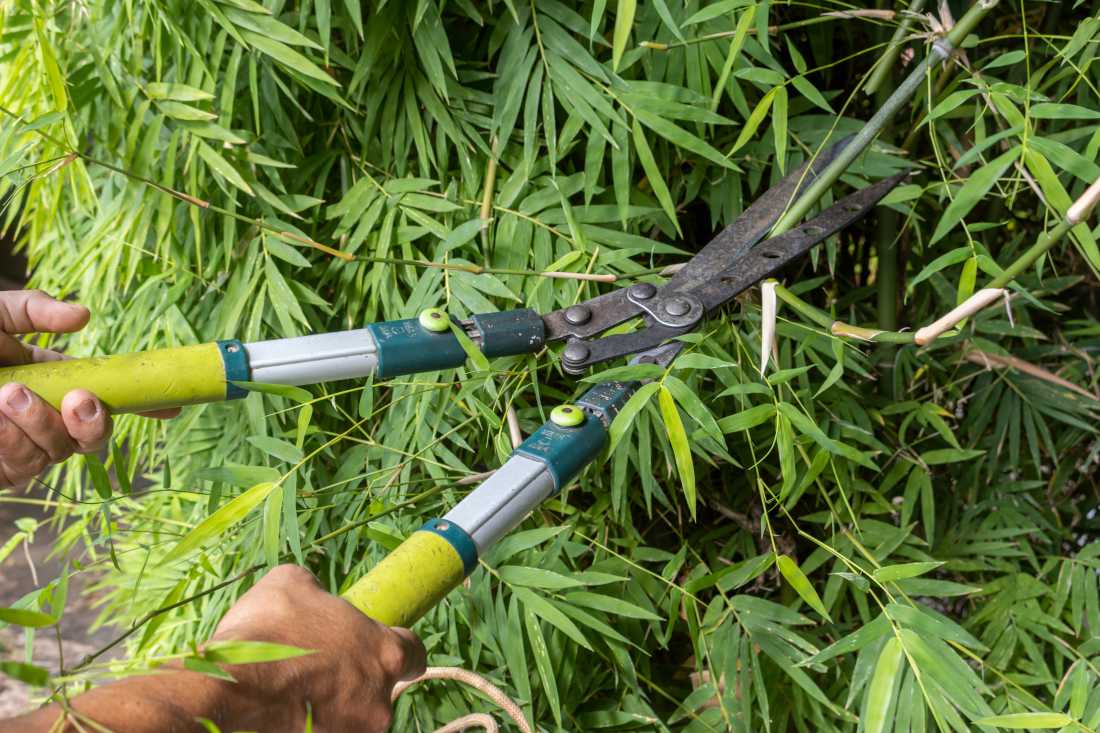
Height is yours to decide, and you may choose how high to let it grow without any dire consequence.
It will not only allow for your bamboo to hold well, it will also increase the density of stems in the clump.
Note that a trimmed stem won’t grow back. However, new culms will sprout at the base of the clump.
Do you want a fast and tall-growing bamboo species? Go for Phyllostachys, such as Phyllostachys nigra or Phyllostachys aurea.
One of the bamboo varieties common in temperate zones is Pseudosasa japonica, also called Japanese Arrow Bamboo. It boasts large leaves and reaches heights of 16 to 17 feet (4 to 5 m), and loses its leaves from the bottom up as years go by.
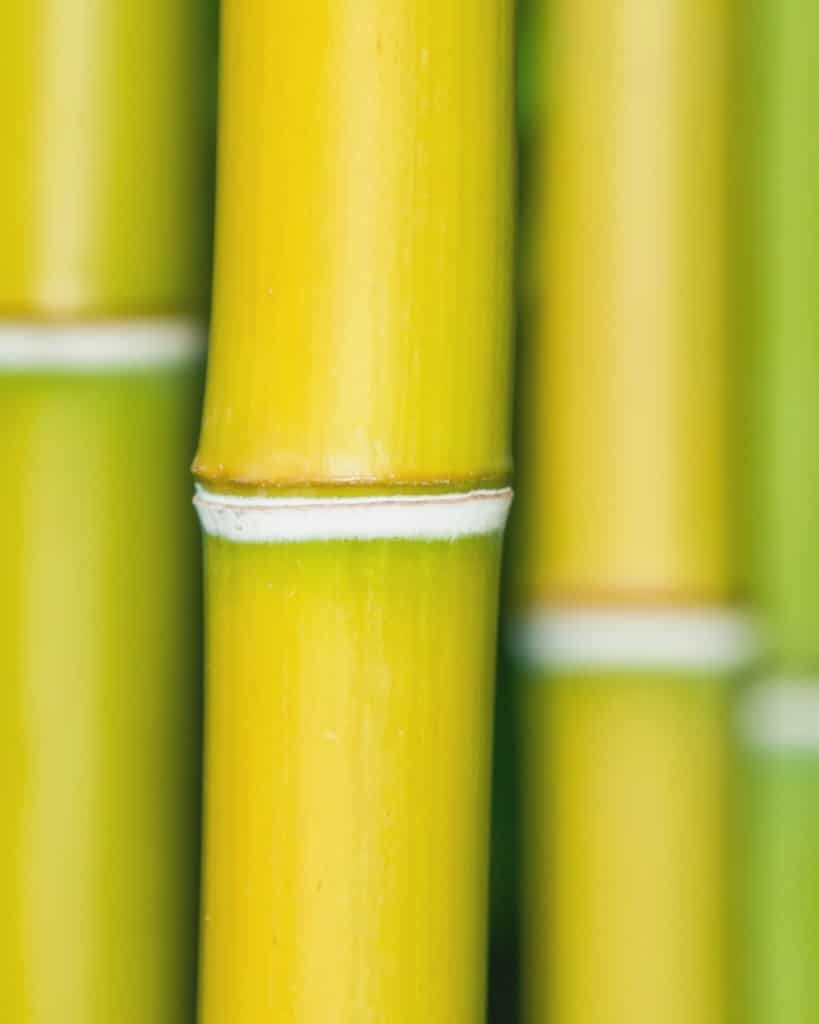
Although it resists most diseases, bamboo is rather vulnerable to several species of insects and parasites.
Bamboo resists nearly all diseases, but it might start getting yellow leaves.
Aphids might appear. They are often harmless for bamboos, unless they invade in large numbers.
Bamboos are also vulnerable to scale insect attacks. Leaves develop a whitish accumulation, turn yellow and eventually fall off.
Finally, red spider mites can be seen sucking the sap from bamboos, leading to yellowing leaves that eventually fall off.
Bamboo shrugs off most diseases, so when the foliage looks wrong the cause is usually an insect or the watering can. Use the signs on the leaves to tell them apart.
| Problem | What you see | What it means |
|---|---|---|
| Aphids | Aphids appear on the plant | Often harmless, a concern only when they invade in large numbers |
| Scale insects | Whitish accumulation on the leaves, which yellow and fall off | Bamboos are vulnerable to scale insect attacks |
| Red spider mites | Yellowing leaves that eventually drop | Mites sucking the sap from the plant |
| Yellow leaves, no pest visible | Foliage turning yellow all over | A watering problem: too little water, or soil that is always wet |
Check the soil first: yellowing points back to water more often than to a pest.
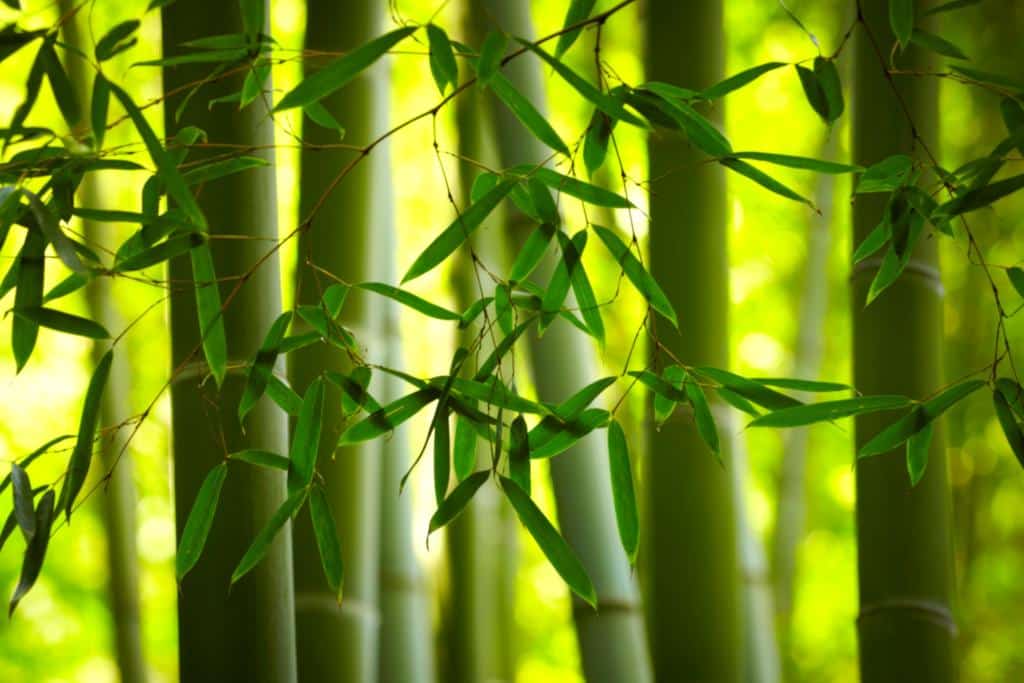
Bamboo comes from Asia where it is a well-known commodity, used also to feed panda bears for which it is a staple food.
It was first found in China, then in Japan, but now it grows in many gardens.
Today, many different varieties are used for evergreen hedges, and also in pots or garden boxes on terraces and balconies.
Choose bamboo if you wish to hide yourself from your neighbor’s view in short time while adding an exotic touch to your garden.